 EN
EN

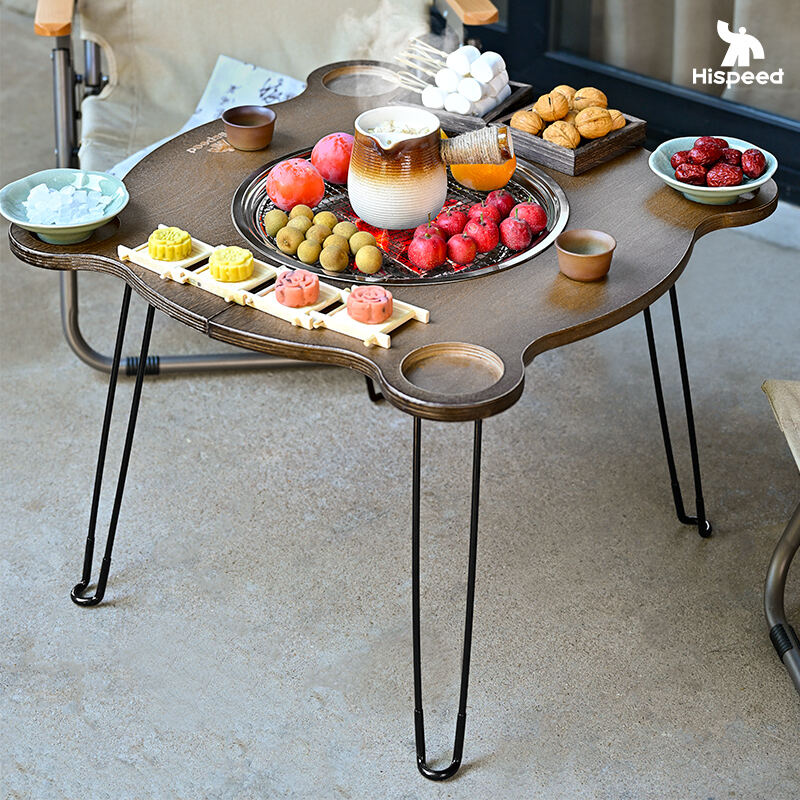
A folding table represents one of the most versatile furniture solutions available for modern living spaces, offering unparalleled flexibility for homes, offices, and outdoor environments. These ingenious pieces of furniture work by employing hinged mechanisms that allow the table surface to collapse or expand based on immediate spatial requirements. Whether you're dealing with a compact studio apartment, a spacious dining room, or an outdoor camping adventure, understanding how a folding table functions can revolutionize your approach to space management and furniture utilization.
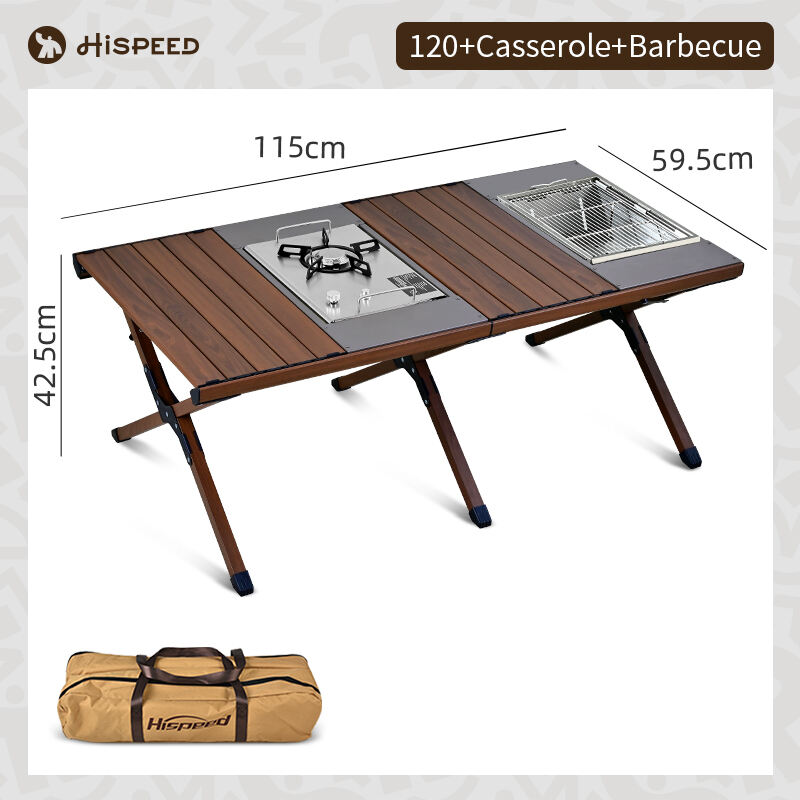
The fundamental appeal of a folding table lies in its ability to transform any space instantly, providing functional work or dining surfaces when needed while disappearing completely when not in use. This adaptability makes them particularly valuable in today's increasingly compact living environments where every square foot matters. From small apartments to expansive outdoor patios, these tables work seamlessly across different room dimensions and purposes.
Understanding Folding Table Mechanisms and Design Principles
Basic Mechanical Components and Operation
The core functionality of a folding table relies on several key mechanical components working in harmony to provide stability when extended and compactness when collapsed. Most folding tables utilize a central hinge system that connects two halves of the table surface, allowing them to fold together like the pages of a book. This mechanism typically incorporates metal brackets, locking pins, and support struts that ensure the table remains stable during use while enabling smooth folding action.
Support legs represent another critical component in folding table design, often featuring telescoping or pivoting mechanisms that allow them to fold flat against the table surface or collapse inward. These legs must be engineered to support substantial weight while maintaining the ability to fold compactly. Quality folding tables employ reinforced joint connections and robust materials to ensure longevity despite repeated folding and unfolding cycles.
The locking mechanism serves as the safety feature that prevents accidental collapse during use, typically consisting of spring-loaded clips, twist locks, or lever-activated securing systems. These mechanisms must engage automatically when the table is fully extended to ensure user safety and table stability throughout normal use.
Material Considerations and Structural Integrity
Modern folding tables incorporate various materials to balance weight, durability, and functionality requirements. Aluminum frames provide excellent strength-to-weight ratios while resisting corrosion, making them ideal for both indoor and outdoor applications. Steel construction offers maximum durability for heavy-duty applications, though at the cost of increased weight and potential rust concerns in humid environments.
Table surfaces commonly feature materials ranging from lightweight plastic and composite materials to traditional wood and metal options. The choice of surface material significantly impacts the table's overall functionality, with considerations including weather resistance, heat tolerance, and aesthetic appeal playing crucial roles in selection for different environments.
Engineering considerations must account for the stress points created by folding mechanisms, requiring reinforcement at pivot points and connection areas. Quality folding tables distribute weight evenly across their frame structure while maintaining the flexibility needed for smooth operation throughout their functional lifespan.
Optimizing Folding Tables for Small Living Spaces
Space-Saving Strategies and Storage Solutions
In compact living environments, a folding table becomes an essential tool for maximizing usable floor space while maintaining functional versatility. These tables work exceptionally well in studio apartments, where a single room must serve multiple purposes throughout the day. During morning hours, the table can provide workspace for laptop use or breakfast preparation, then fold away to create open floor space for exercise or entertainment activities.
Storage optimization represents a crucial consideration when selecting a folding table for small spaces. Many models feature ultra-slim profiles when collapsed, allowing them to slide into narrow gaps between furniture pieces, hang on wall-mounted brackets, or store beneath beds or sofas. This storage flexibility enables residents of small spaces to maintain the functionality of larger furniture pieces without sacrificing precious floor area.
Strategic placement and mounting options further enhance the utility of folding tables in constrained spaces. Wall-mounted folding tables can transform unused vertical space into functional work areas, while models with integrated storage compartments provide additional organization solutions for small living environments.
Multi-Functional Applications in Compact Rooms
The versatility of a folding table extends far beyond simple dining or work surfaces in small spaces. These tables can serve as temporary kitchen prep areas, craft workstations, gaming surfaces, or additional seating when topped with cushions. This multi-functionality eliminates the need for multiple specialized furniture pieces, significantly reducing space requirements while maintaining living quality.
Height-adjustable folding tables add another dimension of functionality, allowing the same piece to serve as a coffee table during relaxation periods, a dining table for meals, or a standing desk for work activities. This adaptability proves particularly valuable in studio apartments where distinct room functions must coexist within limited square footage.
Modular folding table systems enable users to adjust surface area based on immediate needs, with some models allowing multiple units to connect for larger gatherings or separate for individual use. This scalability ensures optimal space utilization regardless of the specific activity or number of users.
Large Room Applications and Enhanced Functionality
Expanding Surface Area for Entertainment and Events
In spacious environments, a folding table serves different but equally valuable functions, primarily focusing on temporary expansion capabilities and event hosting flexibility. Large dining rooms, family rooms, and entertainment spaces benefit from folding tables that can quickly transform intimate settings into expansive hosting areas for parties, holiday gatherings, or special occasions.
Professional-grade folding tables designed for large spaces often feature extended dimensions when fully deployed, providing substantial surface area for buffet setups, game tournaments, or craft projects. These larger models typically incorporate enhanced stability features and weight capacity to accommodate the increased demands of expanded usage scenarios.
The ability to quickly reconfigure room layouts represents a significant advantage in large spaces, where furniture arrangement flexibility can dramatically alter the room's function and flow. Folding tables enable homeowners to maintain open floor plans for daily living while having the option to create defined activity zones when needed.
Professional and Commercial Applications
Large rooms in commercial and professional settings benefit tremendously from folding table systems that can transform spaces from presentation venues to workshop environments within minutes. Conference rooms equipped with folding table solutions can accommodate varying meeting sizes and formats throughout the day, maximizing room utilization and operational efficiency.
Educational institutions particularly value folding tables for their ability to reconfigure classrooms and activity spaces based on curriculum requirements. Science laboratories, art studios, and multipurpose rooms can quickly transform their layouts to support different learning activities while maintaining the flexibility to return to original configurations.
Event venues and reception halls rely heavily on folding table systems to accommodate different event types and guest counts, with the ability to create intimate dining arrangements or expansive reception areas using the same base furniture inventory.
Outdoor and Portable Applications
Camping and Recreational Use
Outdoor environments present unique challenges and opportunities for folding table applications, where portability and weather resistance become primary considerations. Camping enthusiasts particularly appreciate lightweight aluminum folding tables that can be transported easily while providing stable surfaces for meal preparation, dining, and equipment organization in natural settings.
Weather-resistant folding tables designed for outdoor use typically feature enhanced materials and coatings that protect against moisture, UV radiation, and temperature extremes. These specialized models often incorporate additional features such as integrated wind guards, adjustable leg heights for uneven terrain, and quick-release mechanisms for rapid setup and breakdown.
Portable folding tables excel in situations where traditional furniture cannot be easily transported or stored, making them invaluable for beach outings, picnics, tailgating events, and outdoor festivals. Their compact storage profile and lightweight construction enable outdoor enthusiasts to bring functional furniture to virtually any location.
Patio and Garden Integration
Residential outdoor spaces benefit from folding tables that can adapt to changing weather conditions and seasonal usage patterns. Patio areas equipped with weather-resistant folding tables can transform from intimate morning coffee spots to expansive entertainment areas for evening gatherings, all while maintaining the option to clear the space during severe weather.
Garden applications often require tables that can be repositioned based on sun exposure, plant growth, and seasonal maintenance activities. Folding tables provide the mobility needed to support gardening tasks while maintaining the stability required for potting, tool maintenance, and harvest processing activities.
Deck and balcony spaces particularly benefit from folding table solutions that maximize functional area without permanently consuming valuable outdoor living space. These applications often require compact storage solutions that protect tables from weather exposure while maintaining easy accessibility for regular use.
Maintenance and Longevity Considerations
Proper Care and Storage Techniques
Maintaining a folding table in optimal condition requires attention to both mechanical components and surface materials to ensure long-term functionality and appearance. Regular cleaning of hinge mechanisms prevents dirt and debris accumulation that could impair smooth folding action, while appropriate lubrication of moving parts maintains easy operation throughout the table's lifespan.
Storage practices significantly impact folding table longevity, with proper positioning preventing stress on joints and connection points during extended periods of non-use. Dry storage environments protect metal components from corrosion while preventing warping or degradation of surface materials, particularly important for outdoor-rated models that may face temperature and humidity variations.
Surface maintenance requirements vary based on material composition, with wood surfaces requiring periodic conditioning, metal surfaces needing protective treatments, and synthetic materials benefiting from appropriate cleaning products that preserve their appearance and functionality over time.
Troubleshooting Common Issues
Common folding table problems typically involve mechanical issues with locking mechanisms, surface damage, or leg stability concerns that can often be resolved through proper maintenance and minor repairs. Sticky or difficult-to-operate folding mechanisms usually respond to cleaning and lubrication, while loose connections may require tightening or component replacement.
Surface scratches, dents, or stains can often be addressed through appropriate repair techniques specific to the table's material composition, helping maintain both functional performance and aesthetic appeal throughout the table's service life. Understanding proper repair techniques prevents minor issues from developing into major problems requiring complete replacement.
Leg stability issues frequently result from wear at pivot points or adjustment mechanisms, problems that can often be resolved through component replacement or adjustment rather than complete table replacement. Regular inspection and maintenance prevent most serious mechanical failures while extending overall table lifespan.
FAQ
What weight capacity should I expect from a quality folding table
Most residential folding tables support between 50 to 150 pounds when properly set up, though commercial-grade models can handle significantly more weight. The weight capacity depends on materials, construction quality, and mechanical design, with aluminum and steel frames generally offering higher load ratings than plastic alternatives. Always check manufacturer specifications and avoid exceeding recommended limits to prevent damage or safety hazards.
How do I choose the right size folding table for my space
Consider both your available storage space when folded and the surface area needed when expanded. Measure your storage location first, then determine the maximum expanded size that fits comfortably in your room while allowing adequate clearance around the table. Remember that a folding table should provide functional workspace without overwhelming your room when deployed or consuming excessive storage space when collapsed.
Can folding tables be used outdoors year-round
Weather-resistant folding tables designed for outdoor use can typically handle seasonal exposure, though longevity improves with proper storage during extreme weather periods. Look for models with powder-coated finishes, stainless steel hardware, and UV-resistant surface materials for best outdoor performance. Even weather-resistant models benefit from covered storage or indoor storage during harsh winter conditions.
What maintenance is required to keep a folding table functioning properly
Regular cleaning of pivot points and locking mechanisms prevents operational problems, while periodic lubrication of moving parts ensures smooth folding action. Inspect connection points regularly for looseness or wear, tightening hardware as needed. Clean surfaces according to material requirements and store in dry conditions to prevent corrosion or warping that could affect functionality over time.