 EN
EN

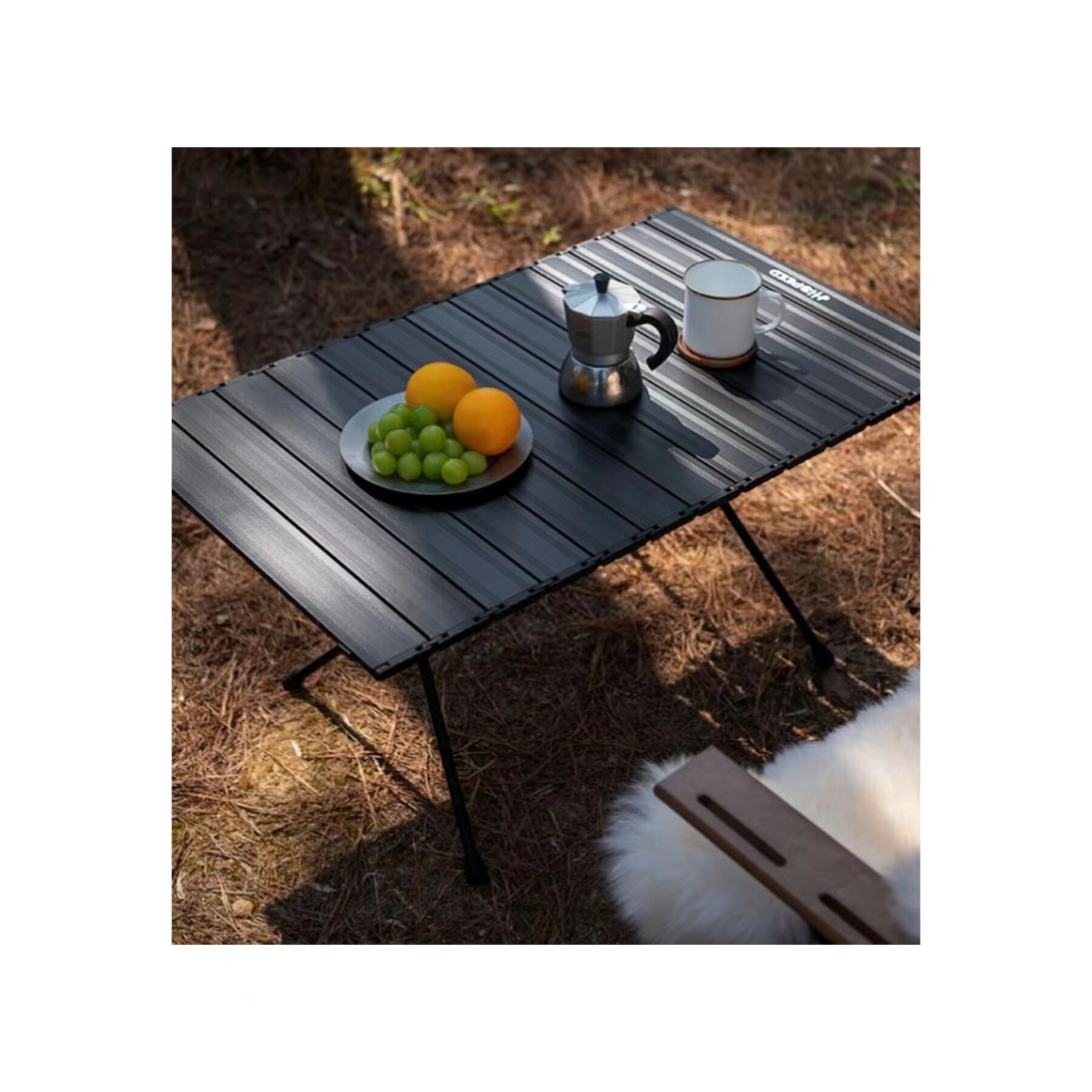
Choosing the right outdoor table size for your space requires careful consideration of multiple factors that directly impact both functionality and comfort. The size of your outdoor table determines not only how many people can comfortably dine or gather around it, but also how well it fits within your available space without overwhelming the area or creating traffic flow issues. Understanding the relationship between table dimensions, space requirements, and intended use is essential for making an informed decision that enhances your outdoor living experience.
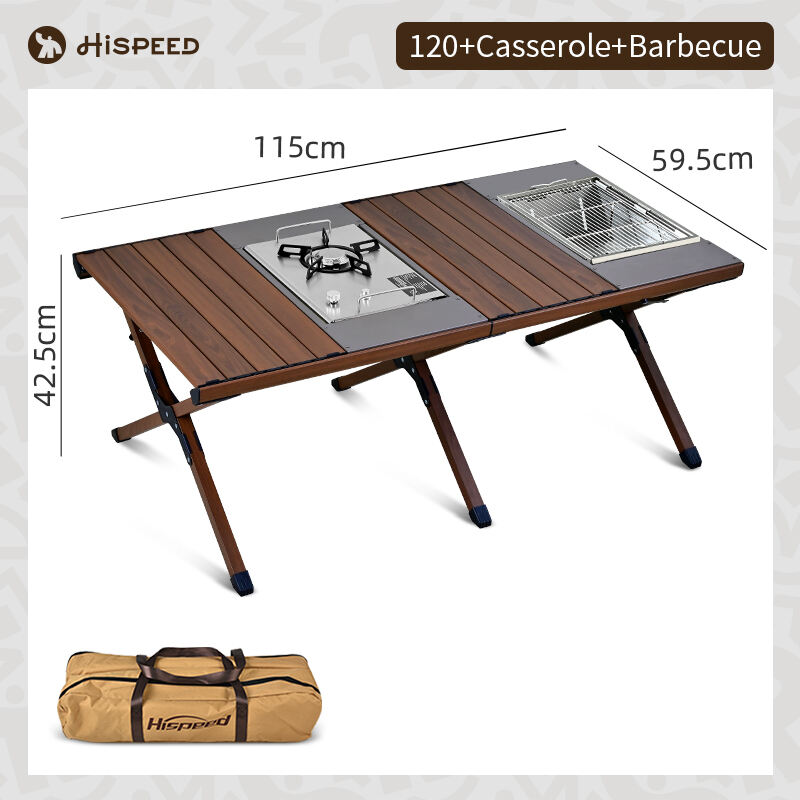
The process of selecting an outdoor table involves evaluating your specific space constraints, determining your seating capacity needs, and considering how the table will be used throughout different seasons and occasions. Whether you have a compact balcony, a medium-sized patio, or an expansive deck, the right outdoor table size can transform your space into a functional and inviting area for dining, entertaining, and relaxation. This comprehensive guide will walk you through the systematic approach to measuring, evaluating, and selecting the perfect outdoor table dimensions for your unique space requirements.
Space Assessment and Measurement Fundamentals
Determining Available Space Dimensions
Begin by measuring the total dimensions of your outdoor space, including length, width, and any irregular boundaries that might affect table placement. Record these measurements accurately, noting any permanent fixtures such as planters, outdoor kitchens, or architectural elements that reduce usable space. Consider the shape of your area as well, since rectangular spaces accommodate different outdoor table configurations than square or L-shaped areas.
Account for any seasonal changes that might affect space usage, such as retractable awnings, moveable planters, or temporary structures that could impact table placement during different times of the year. Document multiple potential table locations within your space, as this flexibility can help you optimize both traffic flow and functionality. Remember that your outdoor table will likely remain in position for extended periods, so choose a location that works well for various weather conditions and times of day.
Calculating Clearance and Traffic Flow Requirements
Establish minimum clearance requirements around your outdoor table to ensure comfortable movement and chair access. Generally, you need at least 36 inches of clearance behind each chair to allow people to sit down, stand up, and move around comfortably. For high-traffic areas or spaces where people need to pass behind seated guests, increase this clearance to 48 inches or more.
Consider the primary traffic patterns in your outdoor space and how your table placement might affect these pathways. Avoid positioning your outdoor table in a way that blocks access to important features like grills, storage areas, or entry points. Map out these traffic flows visually or on paper to identify the optimal table size and placement that maintains functional circulation throughout your space.
Evaluating Multi-Use Space Requirements
Assess how your outdoor space serves multiple purposes beyond dining, such as entertaining, relaxation, cooking, or children's play areas. Your outdoor table size selection should accommodate these various functions without monopolizing the space or creating conflicts between different activities. Consider whether you need to maintain open areas for games, dancing, or large group gatherings.
Think about seasonal usage patterns and how your space requirements might change throughout the year. During summer months, you might host larger gatherings requiring more table space, while smaller family meals might be more common during cooler seasons. This analysis helps determine whether a fixed-size outdoor table or an expandable option better suits your space and lifestyle needs.
Seating Capacity and User Requirements Analysis
Determining Regular vs Maximum Seating Needs
Calculate your typical seating requirements based on regular family size and frequent guests, then consider your maximum seating needs for special occasions and larger gatherings. Your outdoor table should comfortably accommodate regular use while providing options for occasional expansion when needed. Most families benefit from choosing a table size that serves daily needs plus two additional seats for flexibility.
Evaluate the frequency of larger gatherings in your outdoor space and whether investing in a larger permanent outdoor table makes more sense than supplementing with additional smaller tables during special events. Consider the storage implications of expandable tables or additional seating options, as these solutions require dedicated storage space when not in use.
Understanding Comfort and Spacing Requirements
Allow approximately 24 inches of table width per person for comfortable dining, with additional space needed if your outdoor table will regularly accommodate place settings with multiple dishes, serving platters, or decorative elements. This spacing ensures that guests have adequate elbow room and can comfortably access their food and drinks without crowding neighbors.
Factor in the types of activities your outdoor table will support, as different uses require different spacing allocations. Casual dining requires less space per person than formal dining with multiple courses, while game playing or craft activities might need even more surface area per participant. Consider the age ranges of typical users, as children require different spacing considerations than adults.
Accounting for Accessibility and Special Needs
Ensure your outdoor table selection accommodates any accessibility requirements for family members or frequent guests who use wheelchairs or have mobility limitations. Standard table height should be 28-30 inches, with adequate clearance underneath for wheelchair access and comfortable leg room for all users.
Consider the ease of access to seating around your outdoor table, ensuring that pathways are wide enough and surfaces are stable for users with varying mobility levels. The table size and shape you choose should facilitate easy movement and positioning for all potential users while maintaining the functionality and aesthetic appeal of your outdoor space.
Table Shape and Configuration Impact
Rectangular Outdoor Table Advantages and Considerations
Rectangular outdoor tables maximize seating capacity while fitting efficiently into most outdoor spaces, particularly those with defined boundaries or alongside structures like decks and patios. These tables work well for larger groups and formal dining arrangements, allowing for clear head-and-foot positioning and easy serving access along the sides.
Consider that rectangular tables require more length than width, which works best in spaces with appropriate proportions. A 6-foot rectangular outdoor table typically seats 6-8 people comfortably, while an 8-foot table can accommodate 8-10 people. Evaluate whether your space can accommodate the length requirements while maintaining adequate clearance on all sides.
Round Table Benefits for Intimate Spaces
Round outdoor tables create intimate conversation settings where everyone can easily interact with all other guests, making them ideal for smaller gatherings and family dining. These tables eliminate corner constraints and can fit into tighter spaces more efficiently than rectangular options, while their curved edges improve traffic flow around the table.
A 48-inch round outdoor table comfortably seats 4-6 people, while a 60-inch round table can accommodate 6-8 people. Round tables work particularly well in square spaces or areas where you want to maximize conversation and social interaction among guests. However, they may not be as efficient for very large gatherings or formal serving arrangements.
Square and Specialty Shape Considerations
Square outdoor tables offer symmetrical seating arrangements that work well for card games, board games, or casual dining where equal access and eye contact are important. These tables typically range from 36 inches for 4 people to 60 inches for 8 people, fitting well into square outdoor spaces or corner arrangements.
Consider specialty shapes like oval tables, which combine the conversation benefits of round tables with some of the space efficiency of rectangular designs. Oval outdoor tables can work well in medium-sized spaces where you want to balance seating capacity with intimate interaction possibilities.
Environmental and Functional Factors
Weather Protection and Seasonal Considerations
Evaluate how weather exposure affects your outdoor table size choice, considering that larger tables may be more difficult to protect with umbrellas, covers, or by moving to covered areas during storms. Your outdoor table size should align with available weather protection options in your space, including existing overhead coverage or your willingness to invest in protective accessories.
Consider seasonal storage requirements if you plan to store your outdoor table during winter months or severe weather periods. Larger tables may require disassembly or dedicated storage buildings, while smaller or folding options might fit in garages, basements, or storage sheds. Factor these logistics into your size decision to avoid future complications.
Integration with Existing Outdoor Features
Assess how your outdoor table size choice integrates with existing features like outdoor kitchens, fire pits, pools, or garden areas. The table should complement these features rather than compete for space or create awkward arrangements that compromise the functionality of other outdoor elements.
Consider sight lines and views from your outdoor table, ensuring that the size and placement don't obstruct desirable vistas or create privacy issues with neighbors. Your outdoor table should enhance your outdoor experience by taking advantage of the best aspects of your space while minimizing any negative impacts on functionality or aesthetics.
Maintenance and Care Accessibility
Choose an outdoor table size that allows for easy cleaning and maintenance access around all sides and underneath the table surface. Larger tables may be more challenging to clean thoroughly or move for seasonal maintenance tasks like deck staining or patio cleaning. Consider whether you can comfortably reach all areas of the table for routine care.
Evaluate the practicality of maintaining your chosen outdoor table size within your available time and physical capabilities. Some table sizes may require multiple people to move or may be too large to detail clean effectively, leading to deterioration over time that could have been prevented with better size planning.
Budget and Long-term Value Considerations
Cost Analysis by Size and Features
Larger outdoor tables generally cost more than smaller options, but the price relationship isn't always linear, and you may find better value in certain size ranges depending on materials and construction quality. Analyze the cost per seating space to understand the value proposition of different size options within your budget range.
Consider the total cost of ownership, including accessories like chairs, umbrellas, covers, and storage solutions that scale with table size. A moderately sized outdoor table with quality accessories might provide better long-term value than a larger table with inadequate protection or uncomfortable seating options.
Resale and Replacement Considerations
Think about the resale value and market demand for different outdoor table sizes if you might move or upgrade in the future. Standard sizes tend to have broader market appeal, while very large or unusually small tables may have limited resale potential. Choose a size that balances your current needs with reasonable flexibility for future changes.
Consider the replacement cost and availability of parts for different sized outdoor tables, particularly if you choose a table with complex mechanisms or specialty features. Larger tables may have higher replacement costs for individual components, while standard sizes often have better parts availability and service support.
Investment in Quality vs Size Trade-offs
Evaluate whether investing in a smaller, higher-quality outdoor table provides better long-term value than choosing a larger, lower-quality option within the same budget. Quality materials and construction often have more impact on satisfaction and longevity than size alone, particularly for families with modest entertaining needs.
Consider the flexibility value of choosing a moderately sized, high-quality outdoor table that can be supplemented with additional smaller tables for larger gatherings. This approach often provides better versatility and storage options than committing to one very large table that may be underutilized most of the time.
FAQ
What is the minimum space required around an outdoor table?
You need at least 36 inches of clearance behind each chair for comfortable seating and standing, with 48 inches preferred in high-traffic areas. Additionally, allow 24 inches of walkway space on sides that don't require chair access. For a 6-foot outdoor table, this means your space should be at least 12 feet by 10 feet to accommodate the table and necessary clearances comfortably.
How do I determine the right outdoor table size for irregular-shaped spaces?
For irregular spaces, focus on the largest rectangular or circular area that maintains proper clearances rather than trying to maximize table size. Measure the usable area after accounting for fixed obstacles, traffic patterns, and other outdoor features. Consider custom or modular outdoor table options that can work with unusual space configurations while maintaining functionality and proportional aesthetics.
Should I choose a larger outdoor table than I currently need for future flexibility?
Choose a table size that serves your regular needs plus occasional guests rather than maximizing for rare large gatherings. An outdoor table that's too large for regular use will make your space feel cramped and reduce daily enjoyment. Instead, consider tables with extension capabilities or plan to supplement with smaller tables for special occasions, which provides better flexibility and storage efficiency.
How does table height affect size selection for outdoor spaces?
Standard outdoor table height of 28-30 inches works for most seating arrangements, but bar-height tables (36-42 inches) can make spaces feel larger while requiring less floor space per person. However, bar-height outdoor tables need appropriate seating and may not work for all age groups or accessibility needs. Consider your primary users and intended activities when balancing height and size decisions for optimal functionality.