 EN

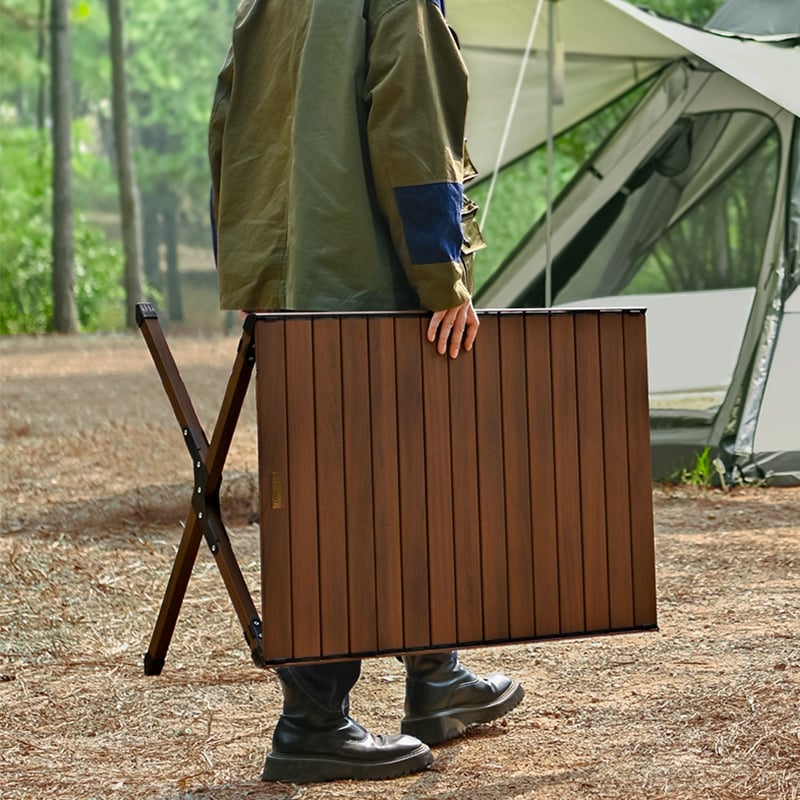
Selecting the right roll up table for outdoor use requires careful consideration of multiple factors that directly impact functionality, durability, and value. Outdoor enthusiasts, campers, and professionals who need portable surface solutions often face confusion when evaluating options, as the market offers numerous designs with varying quality levels, material compositions, and practical capabilities. Understanding what makes a roll up table suitable for your specific outdoor environment is essential before making a purchase decision.
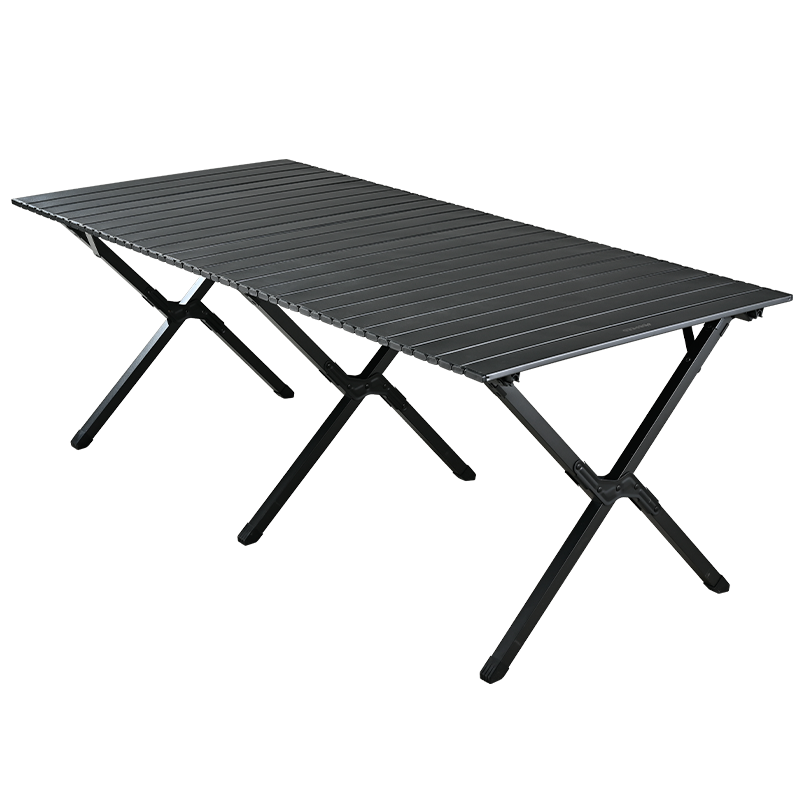
Whether you are planning weekend camping trips, organizing outdoor events, or establishing a temporary workspace in nature, choosing the right roll up table sets the foundation for convenience and reliability. This guide explores the critical selection criteria that help you identify a roll up table matching your specific needs, usage patterns, and environmental conditions. By understanding material options, structural design, weight capacity, and weather resistance, you can make an informed decision that maximizes your investment and enhances your outdoor experience.
Material Selection and Durability Considerations
Understanding Roll Up Table Material Types
The material composition of a roll up table fundamentally determines its durability, weight, maintenance requirements, and performance in various outdoor conditions. High-quality roll up table models typically utilize aluminum frames combined with reinforced fabric surfaces, steel components, or composite materials that balance strength with portability. When evaluating a roll up table, examine whether the frame uses lightweight aluminum alloys that resist corrosion, as these provide superior longevity in humid, wet, or coastal environments where moisture exposure occurs regularly.
Steel-based roll up table designs offer enhanced load-bearing capacity and exceptional rigidity, making them ideal for heavy-duty applications where stability under significant weight is non-negotiable. However, steel roll up table options require proper protective coatings to prevent rust development, particularly in environments with high humidity or frequent rain exposure. Fabric surfaces on premium roll up table products should incorporate UV-resistant materials that prevent fading, degradation, and structural weakness when exposed to prolonged sunlight during outdoor storage or active use.
Weather Resistance and Seasonal Performance
Weather resistance capabilities distinguish reliable roll up table options from inferior alternatives that deteriorate quickly under challenging outdoor conditions. A high-performing roll up table should feature water-resistant or fully waterproof surface treatments that prevent liquid absorption, mold growth, and structural damage when exposed to rain or morning dew. Temperature fluctuations affect material integrity, so selecting a roll up table constructed from materials that maintain flexibility and strength across seasonal temperature ranges ensures consistent performance throughout the year.
UV protection in roll up table materials prevents sun damage that causes discoloration, brittleness, and reduced structural integrity over extended periods. Look for roll up table products with protective coatings, sealed seams, and treated fabric that resist fading and environmental degradation. Sand, salt spray, and dust accumulation require roll up table designs incorporating sealed joints and smooth surfaces that allow easy cleaning without trapping debris that accelerates material deterioration.
Structural Design and Practical Functionality
Weight Capacity and Frame Stability
The weight capacity of a roll up table must match your intended use, as exceeding manufacturer specifications compromises stability and creates safety risks during outdoor activities. When choosing a roll up table, verify the maximum load rating and assess whether it accommodates your typical usage patterns, including equipment placement, food storage, or work materials. Professional-grade roll up table options often provide 30 to 50-pound capacity specifications, while lightweight camping roll up table models might range from 15 to 30 pounds, affecting their practical applications.
Frame stability depends on leg design, cross-bracing mechanisms, and base geometry of the roll up table system. A superior roll up table incorporates wide-set legs, diagonal support bracing, and weighted base components that prevent tipping during windy conditions or uneven terrain use. Testing the roll up table on variable outdoor surfaces, including grass, sand, and gravel, helps identify potential stability issues before purchasing, ensuring the model performs reliably across different camping or outdoor work environments.
Portability Features and Setup Efficiency
True portability of a roll up table extends beyond lightweight construction to encompass ease of transport, quick assembly mechanisms, and compact storage dimensions. Evaluate how efficiently the roll up table collapses into its carrying configuration, whether the process requires tools or specialized techniques, and whether the final rolled or folded size fits your vehicle storage space. Premium roll up table designs incorporate snap-lock mechanisms, color-coded components, or tool-free assembly that reduces setup time from several minutes to under 60 seconds.
Transport weight becomes critical when carrying the roll up table extended distances or combining it with other camping gear. Most quality roll up table models weigh between 5 and 15 pounds, balancing structural integrity with reasonable portability. Carry handles, shoulder straps, or wheeled transport bases on some roll up table options further enhance field mobility, particularly for users transporting equipment between multiple outdoor locations during extended camping expeditions or event management activities.
Size, Surface Area, and Application Matching
Dimensional Specifications and Workspace Fit
Selecting the appropriate size for your roll up table requires honest assessment of intended usage and workspace requirements at your outdoor locations. Standard roll up table dimensions range from compact 24-inch models suitable for individual work or dining to large 4-foot configurations accommodating group dining or substantial equipment placement. Consider your vehicle storage constraints, available campsite space, and whether the roll up table needs to accommodate multiple users or simply serve as a personal work surface.
Height specifications for a roll up table typically range from 15 to 30 inches, affecting usability when seated or standing. Standard outdoor work heights cluster around 24 to 28 inches, matching conventional dining or desk table configurations. When evaluating a roll up table, verify that height matches your typical usage posture and ensures comfortable access without excessive bending or reaching that creates fatigue during extended use sessions.
Surface Area and Multifunctional Applications
The working surface of your roll up table must provide adequate space for your primary activities while maintaining overall portability and weight efficiency. A roll up table serving meal preparation requires different dimensions than one designated for camping equipment organization or outdoor work tasks. Some roll up table designs feature roll-up edges that create containment for items, while others provide flat surfaces with integrated organizational features like hooks, compartments, or attached storage pockets.
Multifunctional roll up table options incorporate design elements serving multiple purposes, such as waterproof surfaces for food preparation combined with reinforced corners protecting portable stoves or camping cookware. Examining your specific outdoor activities and the typical items requiring table surface space guides selection toward a roll up table configuration maximizing utility for your unique needs. Some roll up table models integrate temperature-resistant tops, drainage channels, or cable management routes, transforming basic surface platforms into sophisticated portable work stations.
FAQ
What is the ideal weight capacity for a recreational camping roll up table?
For typical recreational camping, a roll up table with 25 to 35-pound weight capacity provides adequate performance for food preparation, cookware storage, and personal equipment organization. Most standard roll up table models in this capacity range balance structural stability with reasonable portability, ensuring reliable performance during weekend camping trips without requiring excessive carrying effort. Professional-grade roll up table options offering 50-pound capacities suit heavier equipment or commercial outdoor applications, though they sacrifice some portability advantages.
How does material composition affect roll up table longevity in coastal environments?
Coastal environments introduce salt spray, moisture, and sand that accelerate deterioration in susceptible materials, making aluminum-frame roll up table designs with sealed, powder-coated finishes significantly more durable than untreated steel options. A quality roll up table featuring stainless steel hardware and UV-resistant fabric withstands coastal exposure for years, while budget roll up table models may require replacement after a single season. Regular freshwater rinsing removes salt residue from your roll up table surfaces, extending lifespan considerably when combined with proper storage in protected locations between use periods.
Can a roll up table serve professional outdoor work applications beyond camping?
Professional-grade roll up table designs support outdoor work applications including field inspections, equipment staging, market vending, and outdoor event management. Heavy-duty roll up table options featuring reinforced frames, commercial-grade surfaces, and superior weight capacities accommodate demanding professional environments where reliability directly impacts operational efficiency. When selecting a roll up table for professional use, prioritize models offering integrated cable management, additional storage integration, and surface treatments compatible with specific work materials or equipment requiring specialized handling or storage solutions.