 EN
EN

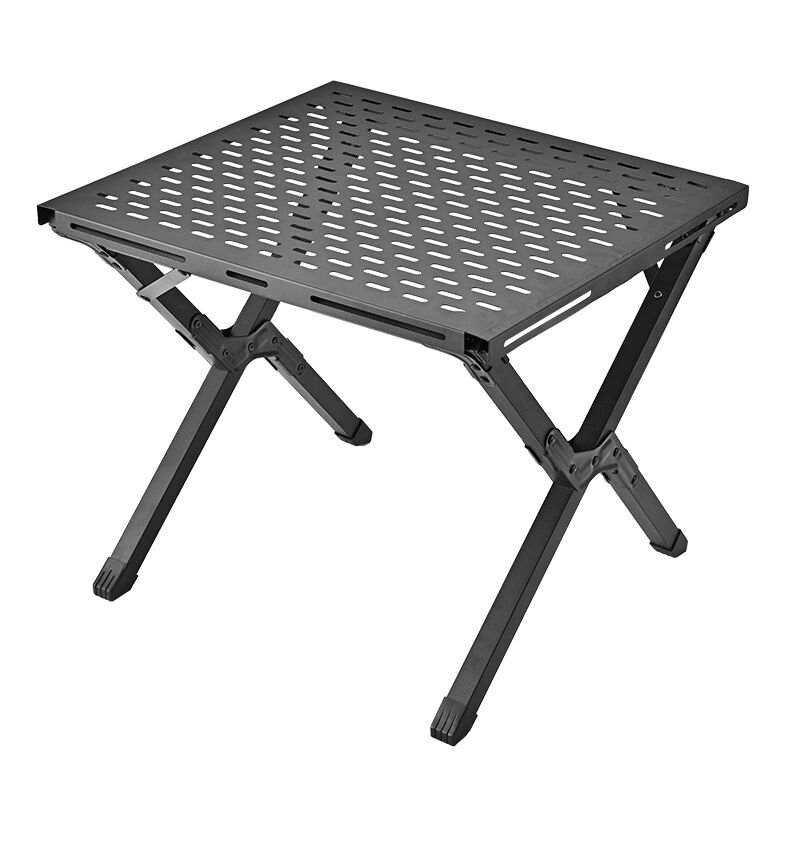
Ang komposisyon ng materyales ng iyong lamesa sa Labas ng Bahay ay pangunahing nagtatakda kung gaano kahusay ang pagtitiis nito sa mga taon ng pagkakalantad sa matitinding kondisyon ng kapaligiran. Hindi tulad ng mga kasangkapan sa loob ng bahay na nangangalaga sa kanila ang kontroladong klima, ang isang mesa para sa labas ay kailangang tumiis sa mga pagbabago ng temperatura, pagbabago ng kahalumigmigan, radiation ng UV, at pisikal na stress na mabilis na sisirain ang mga hindi gaanong de-kalidad na materyales. Ang pag-unawa kung bakit mahalaga ang pagpili ng materyales para sa haba ng buhay ng mesa para sa labas ay tumutulong sa mga konsyumer na gumawa ng impormadong desisyon upang maiwasan ang mga gastos sa maagang pagpapalit at tiyakin ang maaasahang pagganap sa panahon ng walang bilang na mga aktibidad sa labas.
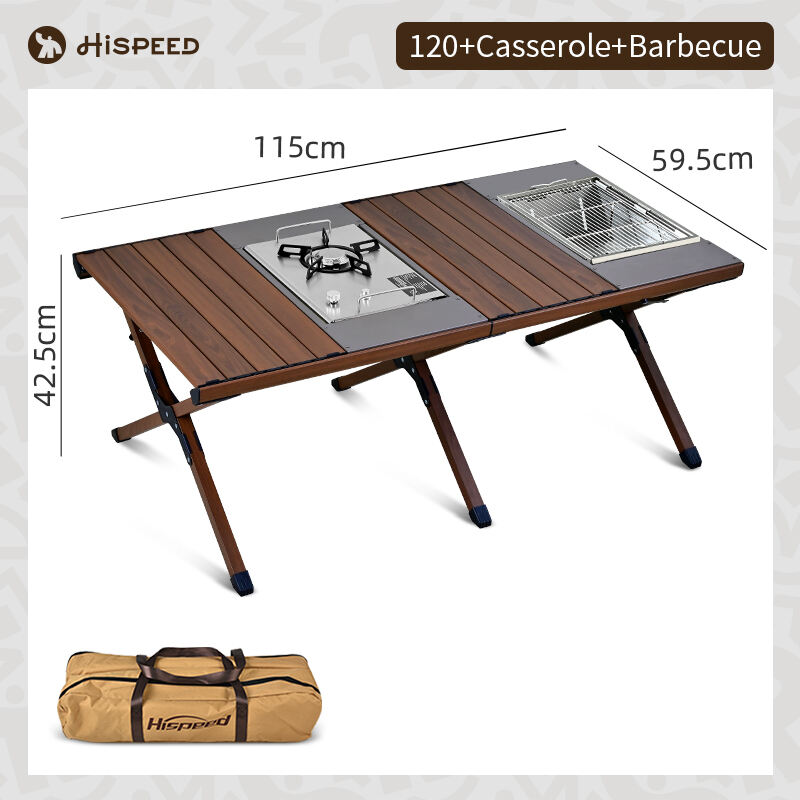
Ang mga implikasyon sa ekonomiya at praktikal na pagpili ng materyal ay higit pa sa mga pagsasaalang-alang sa presyo ng paunang pagbili. Ang mga de-kalidad na materyales ay maaaring magdulot ng mas mataas na paunang gastos, ngunit naghahatid ang mga ito ng higit na sulit na halaga sa pamamagitan ng mas mahabang buhay ng serbisyo, mas mababang mga kinakailangan sa pagpapanatili, at pare-parehong pagiging maaasahan ng pagganap. Ang mahinang pagpili ng materyal ay humahantong sa pagbaluktot, pagbibitak, pagbuo ng kalawang, at pagkabigo ng istruktura na nagbabago sa dapat sana'y pangmatagalang pamumuhunan tungo sa isang magastos at paulit-ulit na siklo ng pagbili.
Mga Panlabas na Stressor na Tumutukoy sa Pagdurability ng Outdoor na Mesa
Pag-uulit ng Temperatura at Thermal Expansion
Ang mga mesa para sa labas ay nakakaranas ng malalaking pagbabago sa temperatura na nagdudulot ng mga siklo ng pagpapalawak at pagkontrakt sa buong kanilang buhay na paggamit. Sa panahon ng tag-init, ang temperatura ng ibabaw ay maaaring lumampas sa 150°F sa ilalim ng tuwirang sinag ng araw, habang sa panahon ng taglamig ay maaaring bumaba sa ilalim ng punto ng pagyelo. Ang mga siklong thermal na ito ay nagdudulot ng tensyon sa mga ugnayan ng materyales, mga koneksyon ng sambitan, at mga patong sa ibabaw sa paraan na hindi kailanman nararanasan sa mga istatikong kondisyon sa loob ng gusali. Ang mga materyales na may mataas na koepisyente ng thermal expansion ay bumubuo ng mga butas, pagkabingi, at paghiwalay ng mga sambitan na sumisira sa integridad ng istruktura sa paglipas ng panahon.
Ang thermal stress ay naging lalo pang problema kapag ang iba't ibang materyales sa loob ng parehong outdoor table ay lumalawak sa magkaibang bilis. Ang pagkakabuo mula sa halo ng mga materyales ay nangangailangan ng maingat na inhinyeriya upang mapagkasya ang differential expansion nang hindi nabubuo ang mga punto ng kabiguan. Ang mga premium na materyales para sa outdoor table ay may mababang thermal expansion coefficients at nananatiling stable ang kanilang sukat sa malawak na saklaw ng temperatura, na nagpapanatili ng parehong kahusayan at anyo sa buong pagbabago ng mga panahon.
Pagsusunod ng Kalamigan at Pinsala Dahil sa Pagyeyelo at Pagtutunaw
Ang pagsusulat ng tubig ay kumakatawan sa isa sa mga pinakasirang puwersa na nakaaapekto sa haba ng buhay ng mga mesa para sa labas. Ang kahalumigmigan ay pumapasok sa mga panlabas na patong, mga koneksyon ng mga sambungan, at mga butas ng materyal kung saan ito nagpapadala ng korosyon, pagkabulok, at pinsala dahil sa pagyelo at pagtunaw. Kapag bumaba ang temperatura sa ibaba ng punto ng pagyelo, ang nakakulong kahalumigmigan ay lumalawak nang may napakalaking puwersa na maaaring pumutol kahit sa mga matibay na materyal. Uli-ulin ang siklong ito ng daan-daang beses sa loob ng maraming panahon, unti-unting pinapahina ang mga bahagi ng istruktura hanggang sa mangyari ang kabiguan.
Ang mga de-kalidad na materyal para sa mesa para sa labas ay sumasama sa paglaban sa kahalumigmigan sa pamamagitan ng komposisyon ng materyal, imbes na umaasa lamang sa mga panlabas na paggamot. Ang mga istrukturang sarado-selula, likas na paglaban sa tubig, at disenyo na madaling magpaalis ng tubig ay nakakaiwas sa pag-akumula ng kahalumigmigan na nagdudulot ng pagkasira. Ang mga pinakamatibay na mesa para sa labas ay may mga materyal na epektibong nagpapalabas ng tubig habang pinapanatili ang kanilang mga katangian sa istruktura kahit kapag ilantad sa mahabang panahon ng kahalumigmigan.
UV Radiation at Photodegradation
Ang ultraviolet na radiation ay nagpapabagsak ng mga molecular bond sa maraming materyales na ginagamit sa mga mesa para sa labas, na nagdudulot ng pagkawala ng kulay, kahinaan, at pagkasira ng ibabaw. Ang prosesong ito ng photodegradation ay mas mabilis sa mga lugar na mataas ang altitud at sa mga rehiyon na may malakas na sikat ng araw. Ang mga materyales na kulang sa UV stability ay unti-unting nawawalan ng kanilang mekanikal na katangian, na nagreresulta sa pagkakaroon ng chalky na ibabaw, pagbabago ng kulay, at pagbaba ng resistance sa impact, na nakaaapekto pareho sa itsura at sa pagganap.
Ang mga materyales para sa mesa sa labas na may UV stability ay may kasamang mga stabilizer at pigment na tumututol sa photodegradation habang pinapanatili ang kanilang orihinal na katangian. Ang mga advanced na pormulasyon nito ay nagfi-filter ng nakakasirang radiation habang pinapayagan pa rin ang pagdaan ng visible light, na nagpapanatili ng pagkakapareho ng kulay at integridad ng ibabaw sa loob ng maraming taon ng pagkakalantad sa araw. Ang invest sa mga materyales na may resistance sa UV ay nagdudulot ng malaking benepisyo sa pamamagitan ng pangmatagalang pagkakapareho ng itsura at pagganap na hindi kayang tularan ng mga mas mababang kalidad na alternatibo.
Mga Katangian ng Pagganap ng Materyales para sa Pangmatagalang Tinitis
Paglaban sa Pagkaugat at mga Paggamot sa Metal
Ang mga bahagi ng metal sa paggawa ng mga mesa para sa labas ay kailangang tumutol sa iba't ibang anyo ng pagkaugat na nabubuo dahil sa pagkakalantad sa kahalumigmigan, hangin na may asin, at mga kontaminanteng kemikal. Ang aluminum ay nagpapakita ng mahusay na paglaban sa pagkaugat sa pamamagitan ng likas na pagbuo ng oxide layer, samantalang ang bakal ay nangangailangan ng mga protektibong paggamot upang maiwasan ang pagbuo ng rust. Ang kalidad ng mga surface treatment, komposisyon ng alloy, at disenyo ng mga sambungan ang nagsasalaysay kung gaano kahusay ang pagtitiis ng mga bahagi ng metal na mesa para sa labas sa mga kapaligirang nakakapag-ugat.
Ang mga premium na disenyo ng mesa para sa labas ay nagsisipinilya ng mga materyales na may antas na pang-dagat at mga protektibong coating na lumalampas sa karaniwang mga kinakailangan. Ang mga pinalakas na espesipikasyon na ito ay nagsisiguro ng maaasahang pagganap sa mga kapaligirang pampang-dagat, polusyon sa lungsod, at atmospera ng industriya kung saan ang agresibong pagkaugat ay pabilis sa pag-degrade ng materyales. Ang dagdag na gastos para sa mas mataas na antas ng proteksyon laban sa pagkaugat ay kumakatawan sa isang maliit na bahagi lamang ng gastos sa pagpapalit, habang nagbibigay naman ng ilang dekada ng maaasahang serbisyo.
Paglaban sa Pagkabagsak at Pangkalahatang Katatagan ng Mekanikal
Ang mga mesa para sa labas ay nakakaranas ng pagkabagsak mula sa kagamitan, paggalaw ng mga kasangkapan, at mga kadahilanan sa kapaligiran tulad ng nabubuwal na sanga o yelo. Ang mga materyales ay dapat panatilihin ang kanilang integridad na istruktural sa ilalim ng mga dinamikong kargang ito habang tumututol sa pagkalat ng mga pukyutan at permanente ng pag-deform. Ang mga materyales na may mataas na paglaban sa pagkabagsak ay sumisipsip ng enerhiya nang hindi nabibigo, na ipinapamahagi ang mga karga sa buong istruktura nito upang maiwasan ang lokal na pinsala na maaaring masira sa kabuuang pagganap.
Ang pangkalahatang katatagan ng mekanikal ng isang lamesa sa Labas ng Bahay ay nakasalalay sa pagpili ng materyales sa buong istruktura nito, hindi lamang sa mga bahagi sa ibabaw. Ang mga panloob na suporta, disenyo ng mga persiyon, at mga teknikal na tatak ng hardware ay dapat sumuporta sa mga pangunahing katangian ng materyales upang makabuo ng isang buong sistema na kayang humawak ng mga stress sa operasyon. Ang anumang mahinang link sa kadena ng materyales ay magdudulot ng maagang pagkabigo, anuman pa ang kalidad ng mga premium na komponente sa ibang bahagi ng disenyo.
Paglaban sa Pagkapagod sa Ilalim ng Ulang-Ulang na Pagkarga
Ang mga mesa para sa labas ay nakakaranas ng walang katapusang bilang ng mga cycle ng pagkarga sa pamamagitan ng karaniwang paggamit, na nagdudulot ng mga stress dahil sa pagkapagod na unti-unting pinapahina ang mga materyales sa paglipas ng panahon. Ang mga mekanismo ng pagpupuno, mga kabit sa paa, at mga sambungan sa ibabaw ay nakakaranas ng paulit-ulit na pagsesegregate ng stress na maaaring mag-trigger ng pagbuo ng mga pukyut sa mga materyales na madaling maapektuhan. Ang mga materyales para sa mesa para sa labas na may mataas na resistensya sa pagkapagod ay nananatiling malakas sa loob ng milyon-milyong cycle ng stress nang hindi nabubuo ang mga depekto na maaaring magdulot ng kabiguan.
Ang pag-ee-engineer ng mga bahagi ng mesa para sa labas para sa resistensya sa pagkapagod ay nangangailangan ng pag-unawa sa parehong mga katangian ng materyales at mga pattern ng distribusyon ng stress. Ang mga premium na disenyo ay kasama ang mga tampok para sa pagbawas ng stress, mga paunti-unting transisyon, at mga estratehiya para sa pagpapalakas na nagpapababa ng mga peak stress habang epektibong ina-distribute ang mga load. Ang detalyadong pag-aalala sa mga isyu ng pagkapagod na ito ay nagpapahaba nang husto ng buhay ng serbisyo kumpara sa mga disenyo na hindi isinasaalang-alang ang epekto ng paulit-ulit na pagkarga.
Epekto sa Ekonomiya ng Pagpipilian ng Materyales sa Kabuuang Gastos sa Pagmamay-ari
Pagsusuri ng Gastos sa Pagpapalit
Ang tunay na gastos sa pagmamay-ari ng mga mesa para sa labas ay umaabot nang malayo sa paunang presyo ng pagbili—kabilang dito ang mga gastos sa pagpapalit, mga gastos sa pagtatapon, at ang nawawalang kagandahang gamit habang hindi gumagana ang kagamitan. Ang mga mababang kalidad na materyales na kailangang palitan tuwing ilang taon ay nagdudulot ng kabuuang gastos na malinaw na lumalampas sa presyo ng mas matibay na alternatibo. Ang katotohanang pang-ekonomiya na ito ay lalo pang lumalakas sa komersyal na aplikasyon kung saan ang katiyakan ng mga mesa para sa labas ay nakaaapekto sa operasyon ng negosyo at sa kasiyahan ng mga customer.
Dapat isama sa pagkalkula ng mga gastos sa pagpapalit ang implasyon, mga pagbabago sa availability, at ang patuloy na pag-unlad ng mga kinakailangan sa pagganap na maaaring mangailangan ng mga upgrade imbes na simpleng pagpapalit. Ang isang mesa para sa labas na nagbibigay ng katiyakan sa serbisyo sa loob ng dalawampung taon ay nag-aalok ng napakahusay na halaga kumpara sa iba pang alternatibo na kailangang palitan tuwing limang taon—kahit isaalang-alang ang mga pagsasaalang-alang tungkol sa time-value ng pera. Ang epekto ng paulit-ulit na pagpapalit ay lumilikha ng malaking parusa sa ekonomiya dahil sa maliwang unang pagpili ng materyales.
Mga Kinakailangan sa Pagpapanatili at Pagkukumpuni
Ang iba't ibang mga materyales para sa mga mesa sa labas ay nagdudulot ng magkakaibang antas ng gawain sa pagpapanatili na nakaaapekto sa kabuuang gastos sa pagmamay-ari at kaginhawahan ng gumagamit. Ang mga materyales na nangangailangan ng madalas na paglilinis, pagrerefresh, o mga protektibong paggamot ay sumusunog ng oras at mga likhaing nagdaragdag sa mga operasyonal na gastos. Ang mga de-kalidad na materyales ay binabawasan ang mga kinakailangan sa pagpapanatili sa pamamagitan ng likas na tibay at paglaban sa dumi, na kung saan ay nababawasan ang pangangailangan ng patuloy na pag-aalaga.
Ang mga gastos sa pagkukumpuni para sa pinsala sa mga mesa sa labas ay lubos na nakasalalay sa kakayahang kumpunihin ang materyales at sa availability ng mga bahagi. Ang ilang materyales ay maaaring kumpunihin sa lugar gamit ang karaniwang pamamaraan at materyales, samantalang ang iba ay nangangailangan ng buong kapalit na bahagi o serbisyo mula sa pabrika. Ang kakayahang magkumpuni nang may abot-kayang gastos ay nagpapahaba ng buhay ng serbisyo at nababawasan ang kadalasang kapalit, kaya ang kakayahang kumpunihin ay isang mahalagang salik na dapat isaalang-alang sa pagpili ng materyales.
Pagbaba ng Pagganap at Pagkawala ng Kagamitan
Habang lumalala ang kalidad ng mga materyales ng mesa para sa labas, unti-unting bumababa ang kanilang pagganap bago ang ganap na pagkabigo. Ang pagkakaroon ng magaspang na ibabaw ay naghihigpit sa paglilinis, ang pagkakaluwag ng istruktura ay nagdudulot ng kawalan ng katatagan, at ang pagbaba ng anyo ay nakaaapekto sa kasiyahan ng gumagamit. Ang panahong ito ng pagbaba ng pagganap ay maaaring tumagal ng ilang buwan o taon kung saan ang mesa para sa labas ay nagbibigay ng nabawasang kapaki-pakinabang habang kailangan pa rin nito ng espasyo at nagdudulot ng mga alalang pangkalusugan.
Ang pagsukat ng pagkawala ng kapaki-pakinabang dahil sa pagbaba ng pagganap ay tumutulong na patunayan ang investisyon sa mga premium na materyales na panatag na pinapanatili ang kanilang mga katangian sa buong tagal ng kanilang serbisyo. Ang isang mesa para sa labas na pare-parehong gumagana sa loob ng limampung taon ay nagbibigay ng mas mahusay na halaga kaysa sa ibang mga alternatibo na nagsisimulang lumala pagkatapos ng limang taon kahit na nananatili pa sila nang ilang taon pa sa kondisyong may pagbaba ng kalidad. Ang panahon ng nabawasang pagganap ay kumakatawan sa nawastong investisyon at nabawasang kasiyahan ng gumagamit na nakaaapekto sa kabuuang karanasan sa pagmamay-ari.
Mga Pagsasaalang-alang sa Materyal Batay sa Aplikasyon
Mga Pag-aangkop Ayon sa Klima
Ang iba't ibang heograpikong rehiyon ay nagpapataw ng natatanging mga hamon na nangangailangan ng partikular na pag-aadaptasyon ng mga materyales para sa pinakamahusay na katatagan ng mga mesa para sa labas. Ang mga kahalintulad na kapaligiran sa baybayin ay nangangailangan ng napakahusay na paglaban sa korosyon dahil sa pagkakalantad sa hangin na may asin, samantalang ang mga klima sa disyerto ay nangangailangan ng katatagan sa UV at paglaban sa thermal shock. Ang mga klima sa hilaga ay binibigyang-priority ang katatagan sa freeze-thaw at kakayahang magdala ng bigat ng yelo, habang ang mga tropikal na rehiyon ay nangangailangan ng paglaban sa kahalumigmigan at pag-iwas sa paglago ng mga organismo.
Ang pagpili ng materyales para sa mga mesa para sa labas ay dapat isaalang-alang ang lokal na kondisyon ng kapaligiran imbes na umaasa sa pangkalahatang mga teknikal na tukoy. Ang datos tungkol sa klima ng rehiyon ay nagbibigay ng gabay sa mga saklaw ng temperatura, mga pattern ng ulan, at mga pampalabas na stressor na nakaaapekto sa pagganap ng mga materyales. Ang pagtutugma ng mga materyales ng mesa para sa labas sa lokal na kondisyon ay nag-optimise sa kanilang katatagan habang iniiwasan ang sobrang pag-specify na nagdudulot ng mas mataas na gastos nang walang katumbas na benepisyo.
Intensidad ng Paggamit at Mga Kinakailangan sa Bigat
Ang mga komersyal na aplikasyon ng mesa para sa labas ng bahay ay karaniwang nangangailangan ng mas mataas na dalas ng pagkarga at mas malalaking konsentrasyon ng stress kaysa sa mga pattern ng paggamit sa tahanan. Ang mga establisimyento na nagbibigay ng serbisyo sa pagkain, mga lugar para sa mga kaganapan, at mga pasilidad na institusyonal ay nangangailangan ng mga materyales na kayang tumanggap ng mabibigat na pang-araw-araw na paggamit habang pinapanatili ang kanilang anyo at katatagan. Ang mga mahihirap na aplikasyong ito ay nagpapaliwanag ng mga premium na pamumuhunan sa materyales na maaaring hindi kinakailangan para sa paminsan-minsang rekreatibong paggamit.
Ang mga kinakailangan sa pagkarga para sa mga aplikasyon ng mesa para sa labas ng bahay ay lubhang nagbabago batay sa mga layunin sa paggamit at sa demograpiko ng mga gumagamit. Ang mga materyales na angkop para sa magaan na mga aplikasyon sa camping ay maaaring hindi sapat para sa mabibigat na komersyal na serbisyo, samantalang ang sobrang engineering sa mga solusyon ay nag-aaksaya ng mga likha sa mga aplikasyong may mababang karga. Ang pagtutugma ng mga kakayahan ng materyales sa aktwal na mga kinakailangan sa paggamit ay nag-optimise ng parehong pagganap at kabisaan sa gastos sa buong buhay ng serbisyo ng mesa para sa labas ng bahay.
Mga Konsiderasyon sa Imbakan at Transportasyon
Ang maraming disenyo ng mesa para sa labas ay kailangang magkasya sa pagpapalabas, pag-stack, o pagkakabukod para sa pag-iimbak at paglilipat. Ang mga kinakailangang ito ay nagdadagdag ng karagdagang pangangailangan sa mga materyales sa pamamagitan ng paulit-ulit na pagyuko, pagsuot dahil sa kontak, at stress sa hardware na nakaaapekto sa haba ng buhay nito. Dapat panatilihin ng mga materyales ang kanilang mga katangian sa daan-daang beses na pagpapalabas habang tumutol sa pagsuot mula sa mga ibabaw na nakikontak at interaksyon sa hardware.
Lalo pang mahalaga ang tibay sa paglilipat para sa mga portable na disenyo ng mesa para sa labas na nakakaranas ng pagvivibrate, impact, at stress sa paghawak habang inililipat mula sa isang lokasyon papunta sa isa pa. Dapat tumutol ang mga materyales sa pinsala mula sa paglilipat habang pinapanatili ang kanilang mga katangian sa pagganap kapag naka-assemble. Ang kakayahang tumagal sa stress ng paglilipat nang walang pagbaba ng kalidad ay nagpapahaba ng praktikal na buhay ng serbisyo at binabawasan ang kadalasan ng pagpapalit para sa mga mobile na aplikasyon.
Madalas Itanong
Anong mga materyales ng mesa para sa labas ang nag-aalok ng pinakamahabang buhay para sa ekstremong kondisyon ng panahon?
Ang mga padron ng aluminum at mataas na kalidad na stainless steel ay nagbibigay ng hindi karaniwang katatagan sa labas sa mga ekstremong kondisyon ng panahon dahil sa kanilang paglaban sa korosyon, pagkakapagkakabalanse ng init, at kahusayan sa istruktura. Ang marine-grade aluminum ay nag-aalok ng mahusay na ratio ng lakas sa timbang habang tumututol sa korosyon sa mga kapaligiran na may mataas na kahalumigan at hangin na may asin. Ang stainless steel ay nagbibigay ng napakahusay na paglaban sa impact at pinapanatili ang mga katangian nito sa loob ng malawak na saklaw ng temperatura, na ginagawang ideal ito para sa mga lokasyon na nakakaranas ng matitinding pagbabago ng panahon.
Paano nakaaapekto ang kapal ng materyal sa katatagan ng mesa para sa labas?
Ang kapal ng materyal ay may malaking epekto sa tibay ng mga mesa para sa labas dahil nagbibigay ito ng mas mataas na paglaban sa pinsala dulot ng impact, thermal stress, at deformation ng istruktura. Ang mas makapal na materyal ay mas epektibo sa pagdidistribute ng mga load, mas tumututol sa pagkabungo at pagkabiyag, at nagbibigay ng mas mataas na thermal mass na nababawasan ang thermal cycling stress. Gayunpaman, ang pinakamainam na kapal ay nakasalalay sa mga katangian ng materyal at sa mga kinakailangan ng aplikasyon, dahil ang labis na kapal ay maaaring dagdagan ang timbang at gastos nang walang katumbas na pagpapabuti sa tibay sa ilang aplikasyon.
Maaari bang pantayin ng mga composite material ang tibay ng metal sa paggawa ng mga mesa para sa labas?
Ang mga de-kalidad na composite materials ay maaaring tumugma o lumampas sa tibay ng metal sa ilang aplikasyon ng outdoor table, lalo na sa aspeto ng resistance sa corrosion, UV stability, at moisture resistance. Ang mga advanced composites ay nag-aalok ng pare-parehong properties sa buong kapal nito, nawawala ang alalahanin sa galvanic corrosion, at nagbibigay ng mahusay na fatigue resistance. Gayunpaman, ang impact resistance at kakayahang ma-repair ay maaaring mas pabor sa mga metal materials sa mga high-stress na aplikasyon kung saan malamang mangyari ang mekanikal na pinsala.
Anong mga gawain sa pagpapanatili ang pinaka-epektibo upang palawigin ang buhay ng materyales ng outdoor table?
Ang regular na paglilinis upang alisin ang mga kontaminante, periodikong inspeksyon para sa pinsala o pagsuot, at agarang pagkukumpuni ng mga maliit na problema ang pinakaepektibong paraan upang palawigin ang buhay ng materyales ng mga mesa para sa labas. Ang pagprotekta sa mga ibabaw laban sa matagalang pagkontak sa kahalumigan, paggamit ng angkop na mga produkto sa paglilinis na hindi sisira sa mga protektibong coating, at ang pag-iimbak ng mga mesa para sa labas sa mga takip na lugar habang may matinding kondisyon ng panahon ay malaki ang nagpapababa sa stress sa materyales. Ang gastos sa pansariling pangangalaga ay malaki ang mas mababa kaysa sa maagang pagpapalit nito, samantalang tiyakin ang optimal na pagganap sa buong buhay ng serbisyo.
Talaan ng mga Nilalaman
- Mga Panlabas na Stressor na Tumutukoy sa Pagdurability ng Outdoor na Mesa
- Mga Katangian ng Pagganap ng Materyales para sa Pangmatagalang Tinitis
- Epekto sa Ekonomiya ng Pagpipilian ng Materyales sa Kabuuang Gastos sa Pagmamay-ari
- Mga Pagsasaalang-alang sa Materyal Batay sa Aplikasyon
-
Madalas Itanong
- Anong mga materyales ng mesa para sa labas ang nag-aalok ng pinakamahabang buhay para sa ekstremong kondisyon ng panahon?
- Paano nakaaapekto ang kapal ng materyal sa katatagan ng mesa para sa labas?
- Maaari bang pantayin ng mga composite material ang tibay ng metal sa paggawa ng mga mesa para sa labas?
- Anong mga gawain sa pagpapanatili ang pinaka-epektibo upang palawigin ang buhay ng materyales ng outdoor table?