 EN
EN

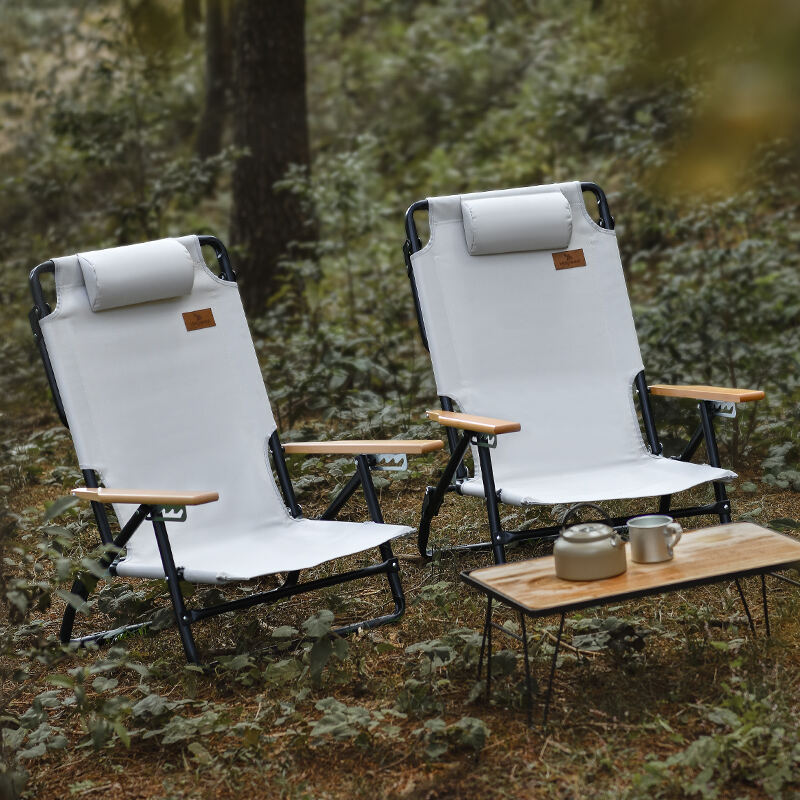
A camping chair might seem like a simple piece of gear, but its impact on how you experience the outdoors is far greater than most people expect. Whether you are setting up at a lakeside campsite, watching a sunset from a mountain trail, or gathering around a fire with friends, having the right place to sit shapes the entire quality of your time outside. Comfort, posture, and the ability to relax without sitting on the ground all contribute to how long you stay, how much you enjoy the moment, and how your body feels the next morning.
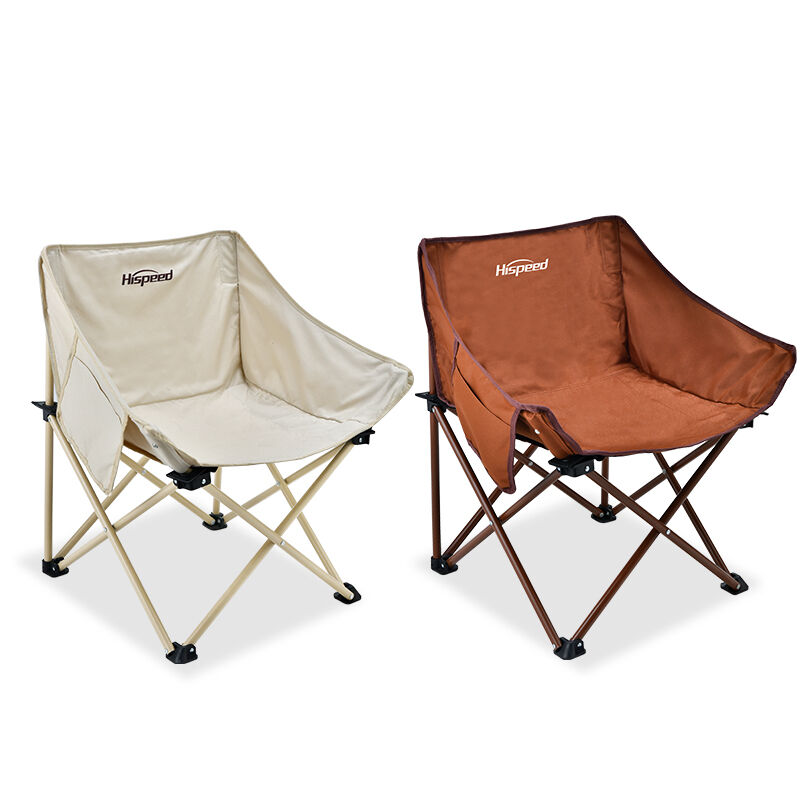
The role of a camping chair extends well beyond basic seating. It becomes your dining spot, your reading nook, your conversation seat, and your recovery station after a long hike. For families, solo travelers, and elderly outdoor enthusiasts alike, a well-designed camping chair transforms an exposed, unpredictable environment into a space that feels personal and comfortable. Understanding exactly how a camping chair improves your outdoor experience helps you make smarter gear choices and get more out of every trip you take.
Physical Comfort and Body Support in the Outdoors
Why Sitting on the Ground Is Not a Long-Term Solution
Many casual campers underestimate how quickly sitting on uneven, hard, or damp ground takes a toll on the body. Without proper support, the lower back, hips, and knees absorb pressure in ways that lead to stiffness, soreness, and fatigue. Over the course of a full day outdoors, this discomfort compounds and often shortens the time people are willing to spend outside.
A camping chair provides an elevated, structured seat that distributes body weight more evenly. The seat height keeps joints in a more neutral position, reducing strain on the lumbar region and making it easier to stand up and move around. For older adults or anyone with joint sensitivity, this difference is not just about comfort — it is about being able to participate fully in outdoor activities without paying for it physically the next day.
The fabric and frame design of a quality camping chair also plays a role in how the body is supported. Breathable materials prevent heat buildup during warm weather, while a stable frame prevents the subtle micro-adjustments your muscles make when sitting on an unstable surface. These small factors add up to a noticeably more relaxed and sustainable outdoor sitting experience.
How Load Capacity Affects Confidence and Usability
One of the most practical aspects of a camping chair that directly affects the outdoor experience is its weight capacity. A chair rated for 150 kilograms, for example, offers a level of structural confidence that allows users of varying body types to sit without hesitation or concern. This matters more than it might initially seem, because uncertainty about whether a chair will hold creates a subtle but persistent tension that undermines relaxation.
High load capacity also signals overall build quality. Chairs engineered to support heavier loads typically use reinforced frames, stronger stitching, and more durable fabric — all of which translate into a more stable and long-lasting camping chair regardless of the user's weight. When you sit down and feel the chair hold firm without flex or wobble, it allows you to fully let go and enjoy your surroundings.
Portability and Setup Convenience on the Trail
The Value of a Camping Chair That Travels Easily
Outdoor experiences are defined by movement — hiking to a viewpoint, driving to a remote site, or packing gear into a kayak. A camping chair that folds compactly and carries easily becomes a piece of gear you actually bring rather than one you leave behind because it is too bulky or heavy. The portability of a camping chair directly determines how often it improves your experience, because a chair left in the car or at home provides no benefit at all.
Folding designs that collapse into a carry bag allow the camping chair to be attached to a backpack, stored in a vehicle trunk, or tucked into a gear pile without taking up disproportionate space. This convenience encourages campers to bring their chair to more locations — not just established campsites but also day hike rest stops, beach outings, outdoor events, and tailgate setups.
The weight of the camping chair matters here as well. Lightweight materials that do not sacrifice structural integrity allow users to carry the chair further without it becoming a burden. When a camping chair feels like a natural extension of your kit rather than an extra obligation, it becomes a consistent part of how you experience the outdoors.
Quick Setup as a Practical Outdoor Advantage
Arriving at a campsite after a long drive or a tiring hike, the last thing anyone wants is to wrestle with complicated gear. A camping chair that unfolds and locks into position in seconds removes friction from the setup process and lets you transition immediately into rest and enjoyment. This ease of use is especially valuable when setting up in low light, in wind, or when managing children and other gear simultaneously.
Simple, intuitive mechanisms also mean the camping chair can be repositioned throughout the day without effort. Moving closer to the fire, shifting to follow the shade, or relocating to a better view all become effortless decisions rather than minor chores. That flexibility keeps you engaged with your environment rather than anchored to one spot out of convenience.
Social and Recreational Benefits Around Camp
Creating a Comfortable Gathering Space Outdoors
One of the most underappreciated ways a camping chair improves the outdoor experience is by enabling genuine social connection. When everyone in a group has a comfortable place to sit, conversations last longer, meals are more relaxed, and the shared experience of being outdoors becomes richer. A circle of camping chairs around a fire or a picnic area creates a natural social structure that encourages people to stay present and engaged.
Without seating, groups tend to disperse or find awkward perches on rocks, coolers, or vehicle bumpers. The camping chair anchors the social space and gives it a sense of intentionality. This is particularly meaningful for families with elderly members or young children, where comfort and accessibility directly affect who can participate and for how long.
The camping chair also supports individual recreational activities that require a stable, comfortable base. Reading, sketching, birdwatching, fishing from a bank, or simply sitting quietly and observing nature all become more sustainable and enjoyable when you have proper seating. These are the moments that people remember most from outdoor trips, and a camping chair makes them more accessible.
Supporting Elderly and Less Mobile Outdoor Participants
For elderly campers or those with limited mobility, a camping chair is not a luxury — it is what makes outdoor participation possible. The ability to sit at a comfortable height, with armrests for support when standing, and on a stable surface that does not shift underfoot, allows people who might otherwise stay home to join outdoor activities with confidence.
A camping chair designed with these users in mind — featuring a higher seat, sturdy armrests, and a robust frame — extends the outdoor experience to a broader range of people. This inclusivity is one of the most meaningful ways that a well-chosen camping chair improves not just individual comfort but the collective quality of any outdoor gathering.
Durability and Material Quality as Experience Multipliers
How Fabric Choice Affects Long-Term Outdoor Performance
The material of a camping chair seat and back directly affects how comfortable and durable it is across different outdoor conditions. High-denier Oxford fabric, such as 600D Oxford, offers a balance of strength, resistance to abrasion, and breathability that makes it well-suited for repeated outdoor use. This type of fabric resists tearing under load, dries relatively quickly after rain or morning dew, and maintains its shape over time without sagging.
Cheaper fabrics may feel adequate initially but tend to stretch, fade, or weaken after a season of regular use. When the seat of a camping chair begins to sag or the fabric loses its tension, the ergonomic support it provides diminishes and the overall sitting experience deteriorates. Investing in a camping chair with quality fabric means the improvement to your outdoor experience remains consistent across many trips rather than declining after the first few uses.
Fabric quality also affects how the camping chair handles temperature and moisture. Breathable weaves prevent the uncomfortable heat buildup that occurs with synthetic materials in warm weather, while tightly woven structures resist moisture absorption in damp conditions. These properties keep the camping chair functional and comfortable across a wider range of outdoor environments.
Frame Strength and Stability on Uneven Terrain
Outdoor terrain is rarely flat and predictable. Campsites, riverbanks, forest clearings, and beach settings all present uneven surfaces that challenge the stability of any camping chair. A frame built from strong, lightweight materials — such as powder-coated steel or aircraft-grade aluminum — provides the rigidity needed to remain stable on irregular ground without adding excessive weight to your pack.
Stability on uneven terrain is not just a comfort issue; it is a safety consideration, particularly for elderly users or anyone sitting at the edge of a slope or near water. A camping chair that flexes or shifts unpredictably on rough ground creates a low-level anxiety that prevents full relaxation. A solid, well-engineered frame eliminates that concern and allows you to focus entirely on your surroundings.
The connection points between the frame and the fabric are also critical. Reinforced attachment points prevent the seat from pulling away from the frame under load, which is one of the most common failure modes in lower-quality camping chairs. When every component of the camping chair performs reliably, the entire outdoor experience benefits from that quiet confidence in your gear.
FAQ
What features should I look for in a camping chair for elderly users?
For elderly users, the most important features in a camping chair are a higher seat height that makes sitting down and standing up easier, sturdy armrests that provide support during transitions, a high weight capacity for structural confidence, and a stable frame that does not wobble on uneven ground. Lightweight construction is also valuable so the chair can be carried without strain, and a simple folding mechanism ensures it can be set up and packed away without difficulty.
How does the weight capacity of a camping chair affect its suitability?
Weight capacity is a direct indicator of structural integrity. A camping chair with a higher weight rating, such as 150 kilograms, is built with stronger materials and more robust construction throughout, which benefits all users regardless of their weight. It means the frame, fabric, and connection points are engineered to handle significant stress without deforming or failing, resulting in a more stable, durable, and confidence-inspiring seat in any outdoor setting.
Can a camping chair be used beyond traditional camping trips?
Absolutely. A portable camping chair is useful in a wide range of outdoor and semi-outdoor settings, including beach outings, outdoor sporting events, music festivals, fishing trips, tailgate gatherings, garden parties, and day hikes with rest stops. Its folding design and carry bag make it easy to bring along whenever a comfortable, reliable seat would improve the experience, which covers far more situations than camping alone.
How do I maintain a camping chair to extend its lifespan?
Regular maintenance of a camping chair involves wiping down the fabric after use to remove dirt, moisture, and debris, and allowing it to dry fully before folding and storing it to prevent mildew. The frame joints and locking mechanisms should be checked periodically for signs of wear or corrosion, and any moving parts can be lightly lubricated if they become stiff. Storing the camping chair in its carry bag in a dry location when not in use protects both the fabric and the frame from unnecessary degradation between trips.