 EN
EN

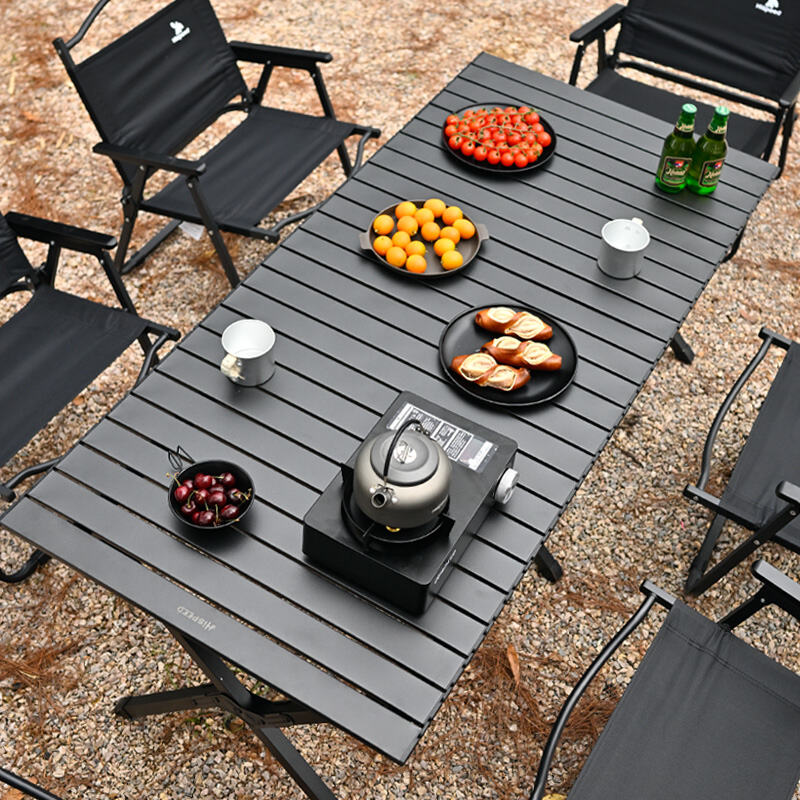
Living in a compact apartment or managing a home where every square foot counts means making smart choices about furniture. A foldable table is one of the most practical investments you can make when space is at a premium. Unlike traditional fixed furniture, a foldable table adapts to your needs rather than permanently occupying floor space, giving you the flexibility to reclaim your living area whenever you need it.
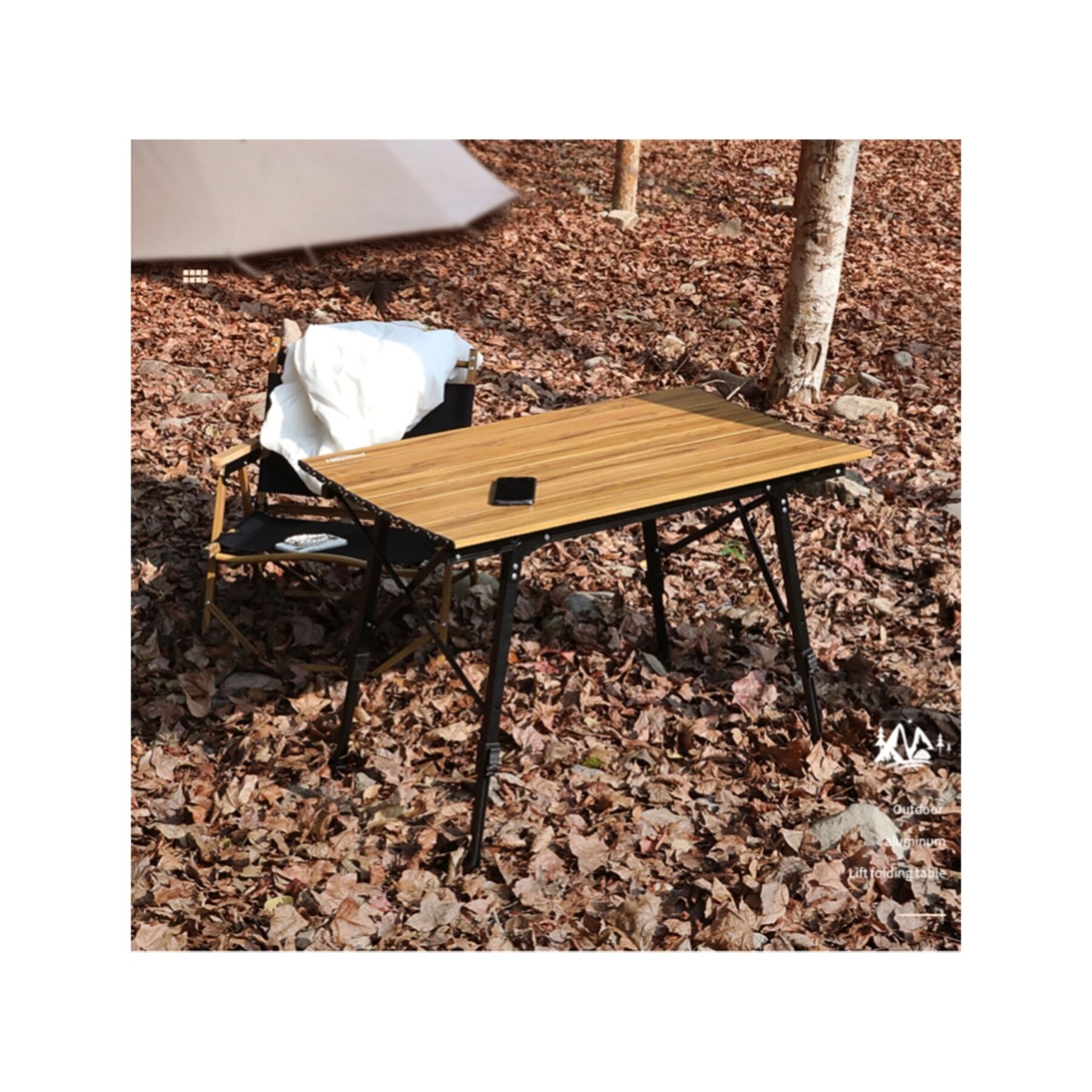
The question of how a foldable table actually saves space at home goes beyond simply folding it up and leaning it against a wall. It involves understanding how this type of furniture changes the way you use rooms, how it supports multiple functions in a single piece, and why it outperforms bulkier alternatives in homes where versatility matters. This article breaks down the specific mechanisms through which a foldable table delivers real, measurable space savings in everyday home environments.
The Core Space-Saving Mechanism of a Foldable Table
Collapsing Footprint on Demand
The most direct way a foldable table saves space is through its collapsible design. When not in use, the table folds flat, reducing its three-dimensional footprint to a fraction of its deployed size. A standard foldable table that measures 120 cm long and 60 cm wide when open might collapse to just 5–8 cm in depth, allowing it to slide behind a door, under a bed, or into a narrow closet.
This on-demand collapse is what separates a foldable table from a fixed dining or work table. Fixed furniture occupies the same floor area whether you are using it or not. A foldable table only takes up space when you actually need it, which in most homes is far less than 24 hours a day. The rest of the time, that floor space is yours to use freely.
For rooms that serve multiple purposes — a living room that doubles as a home office, or a bedroom that also functions as a study — this collapsing footprint is transformative. You can set up the foldable table for a task, then fold it away to restore the room to its primary function within seconds.
Vertical Storage Instead of Horizontal Occupation
Another key mechanism is the shift from horizontal to vertical storage. A fixed table always occupies horizontal floor space. A foldable table, once collapsed, can be stored vertically — standing upright in a corner, hanging on a wall hook, or slotted into a storage rack. This means it uses wall space or corner space rather than the open floor area you walk through and live in.
In small homes, the distinction between floor space and wall space is significant. Floor space is where you move, sit, and place active furniture. Wall space is largely unused in most homes. A foldable table that stores vertically effectively removes itself from the active living zone entirely, which is a genuine space gain rather than just a rearrangement.
How a Foldable Table Replaces Multiple Pieces of Furniture
Serving Different Rooms and Functions
One of the less obvious ways a foldable table saves space is by replacing the need for multiple dedicated pieces of furniture. In a home without a foldable table, you might need a separate dining table, a desk, a craft table, and an outdoor table. Each of these occupies permanent space in a specific room. A single foldable table can serve all of these roles, moving between rooms and functions as needed.
This multi-role capability means you can furnish a home with fewer total pieces, which directly reduces the cumulative furniture footprint. Instead of four tables taking up space in four different areas, one foldable table handles all four tasks and stores flat when none of those tasks are active. The net space saving across the home is substantial.
A foldable table is also easy to carry from room to room or even outdoors, which reinforces its role as a single versatile piece rather than a room-specific fixture. This portability is part of what makes it a genuine space-saving tool rather than just a compact version of a regular table.
Eliminating the Need for a Dedicated Dining Area
In studio apartments and small homes, a dedicated dining area is often a luxury that simply does not fit. A foldable table solves this by allowing you to create a dining setup only when meals are being served. The rest of the time, the space where the table would have stood is open for other uses — exercise, play, relaxation, or simply uncluttered movement through the home.
This approach to dining is increasingly common in urban living, where the priority is maximizing usable space rather than maintaining traditional room layouts. A foldable table makes this lifestyle practical without requiring any sacrifice in dining comfort or surface area during actual use.
Practical Storage Scenarios That Maximize Space Savings
Under-Bed and Behind-Door Storage
The slim profile of a folded foldable table opens up storage locations that are otherwise unusable for furniture. Sliding a folded foldable table under a bed is one of the most efficient uses of under-bed space, which is typically wasted in most homes. The table is out of sight, protected from dust, and immediately accessible when needed.
Similarly, the narrow gap behind an open door — usually just a few centimeters of dead space — is wide enough to store a folded foldable table upright. This turns an architectural dead zone into functional furniture storage without any modification to the room. Both of these storage options are only possible because of the foldable table's collapsed dimensions.
Closet and Utility Space Integration
A foldable table can also be stored in a closet alongside other items, something that is impossible with fixed furniture. Because it folds flat, it does not require a dedicated storage area — it simply slots in wherever there is a vertical gap. This integration with existing storage infrastructure means you do not need to allocate new space for the table; it fits into space you already have.
In homes with utility rooms, hallway closets, or storage alcoves, a foldable table can be kept ready for use without cluttering any living area. This is particularly valuable in homes where guests visit occasionally and a temporary dining or work surface is needed without permanent furniture commitment.
The Role of a Foldable Table in Multi-Use Room Design
Supporting Room Transformation
Modern small-home design increasingly relies on the concept of room transformation — the idea that a single room should be able to serve different functions at different times of day. A foldable table is one of the core tools that makes this possible. By deploying and folding the table as needed, you can shift a room from a workspace to a dining area to an open lounge within minutes.
This transformation capability is not just about saving space in a static sense — it is about increasing the functional density of your home. You get more uses out of the same square footage, which is the most efficient form of space saving available without physically expanding the building. A foldable table is a key enabler of this approach.
Reducing Visual Clutter and Perceived Space
Space saving is not only about physical dimensions — it also involves how a room feels. A room filled with large, fixed furniture feels smaller and more constrained even if the actual floor area is adequate. A foldable table, when stored away, removes a visually dominant object from the room, making the space feel more open and less cluttered.
This perceived spaciousness has real quality-of-life benefits. Rooms that feel open and uncluttered are more comfortable to live in, easier to clean, and more adaptable to different activities. The foldable table contributes to this by being present only when needed and invisible when not, which is a form of space management that fixed furniture simply cannot offer.
For homeowners and renters who are working with limited square footage, the psychological impact of a less cluttered space is just as important as the physical floor area gained. A foldable table addresses both dimensions simultaneously.
Choosing the Right Foldable Table for Maximum Space Efficiency
Size and Folded Dimensions
Not all foldable tables offer the same space-saving performance. The key specification to evaluate is the folded dimensions rather than the open dimensions. A foldable table that folds to a very slim profile will fit into more storage locations and take up less space when stored. Look for tables where the folded depth is under 10 cm for the best storage flexibility.
The open dimensions should match your most demanding use case — typically the largest surface area you will need for dining or working. A foldable table that is too small will not serve its multi-function role effectively, which undermines the space-saving logic of replacing multiple pieces of furniture with one.
Weight and Portability
A foldable table that is too heavy to move easily loses much of its space-saving advantage. The ability to carry the table between rooms, store it in different locations, and set it up quickly depends on it being light enough to handle without effort. Lightweight materials like aluminum frames or thin iron construction offer a good balance between durability and portability.
A foldable table that one person can carry, set up, and fold away in under a minute is far more likely to be used consistently in a space-saving routine. If the table is cumbersome to move, it tends to stay in one place and gradually becomes fixed furniture by default, which defeats the purpose of choosing a foldable design in the first place.
FAQ
How much space does a foldable table actually save compared to a regular table?
A foldable table saves the full floor area it would occupy when open — typically 0.5 to 0.8 square meters for a standard model — every time it is folded and stored. Over the course of a day, if the table is only in use for a few hours, you reclaim that floor space for the majority of your waking hours. Compared to a fixed table that permanently occupies the same area, the cumulative space saving is significant, especially in rooms under 20 square meters.
Can a foldable table hold the same weight as a regular dining table?
Most quality foldable tables are designed to support typical dining and work loads, generally between 30 and 80 kilograms depending on the model and frame construction. They are not intended for heavy industrial use, but for everyday home tasks including dining, laptop work, crafts, and light food preparation, a well-built foldable table performs comparably to a fixed table of similar size.
Where is the best place to store a foldable table in a small home?
The most space-efficient storage locations for a foldable table are behind a door, under a bed, inside a closet, or in a hallway corner. All of these locations use space that is typically underutilized in small homes. The best choice depends on how frequently you use the table — if you use it daily, behind a door or in a corner provides the fastest access, while under-bed storage works well for occasional use.
Is a foldable table suitable for permanent daily use, or only occasional use?
A foldable table is well-suited to daily use, particularly in homes where the same surface serves multiple functions throughout the day. Many people use a foldable table as their primary dining and work surface, folding it away in the evening to open up the room. The key is choosing a model with a stable locking mechanism and durable frame construction that can withstand repeated folding and unfolding without loosening over time.