 EN
EN

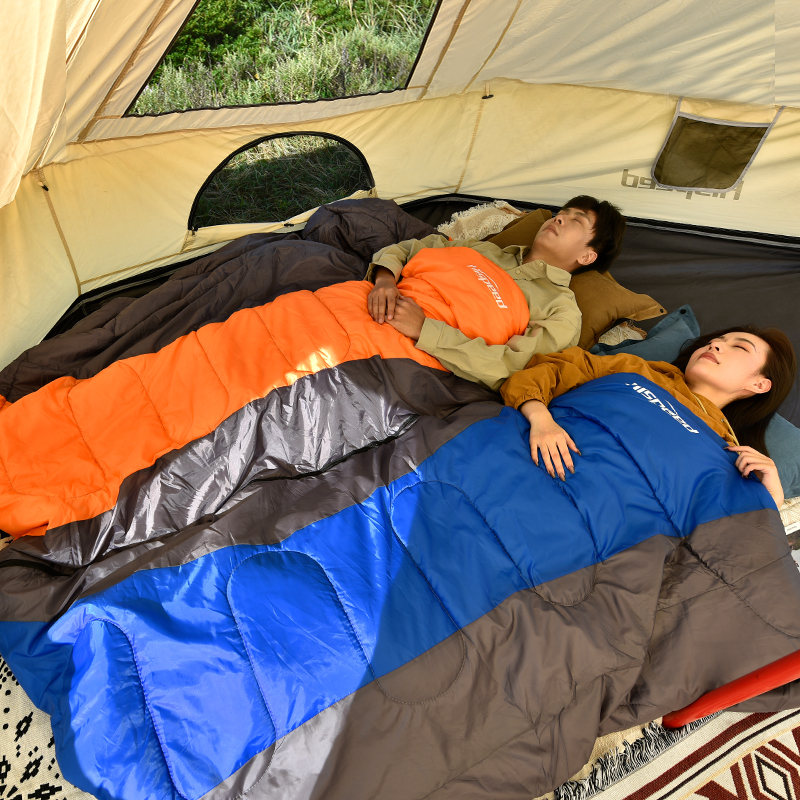
Weather is one of the most significant factors influencing how well your outdoor equipment performs in real-world conditions. From sudden temperature swings to intense precipitation and wind, environmental forces directly affect the functionality, lifespan, and safety of outdoor equipment used in camping, hiking, and field operations. Understanding these weather impacts helps you select, maintain, and deploy outdoor equipment that remains reliable when conditions turn challenging.
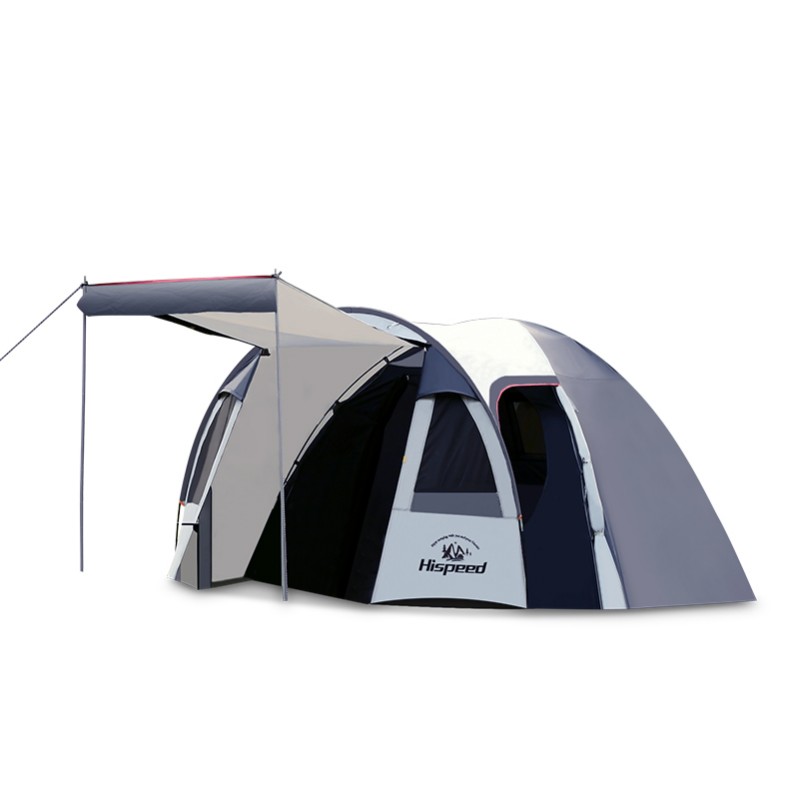
Proper outdoor equipment must withstand moisture, temperature extremes, and mechanical stress without compromising structural integrity or user comfort. Weather-related degradation occurs through multiple pathways: UV damage, corrosion, material brittleness, seal failure, and rust formation. By examining how specific weather patterns stress outdoor equipment, users and professionals can make informed decisions about durability requirements, maintenance schedules, and equipment selection criteria.
Temperature Extremes and Material Brittleness
Cold Weather Effects on Outdoor Equipment
Freezing temperatures significantly alter the performance of outdoor equipment by making materials brittle and reducing flexibility. Plastics become rigid, zippers stiffen, fabric loses elasticity, and metal components contract, potentially creating misalignment or stress points. Your outdoor equipment may crack, shatter, or fail suddenly when exposed to prolonged cold, especially if it was designed for moderate climates. Seals and joints become prone to splitting, compromising the weatherproof integrity of outdoor equipment that relies on flexible components for functionality.
Cold also reduces battery efficiency and fuel viscosity, affecting powered outdoor equipment like portable heaters, lighting systems, and engines. Lubricants thicken and become less effective, increasing friction and wear on outdoor equipment mechanisms. Storage in unheated environments accelerates degradation, making winter maintenance and protection essential for equipment survival and performance consistency.
Heat and UV Degradation
Sustained heat and ultraviolet radiation cause polymers and fabrics used in outdoor equipment to break down, fade, and lose structural properties over time. UV exposure degrades tent fabric, rope, backpack materials, and protective coverings, making outdoor equipment weaker and more susceptible to tearing. Colors fade as pigments break down, often signaling underlying material degradation in outdoor equipment. Heat accelerates chemical reactions, causing adhesives to weaken and laminated materials to separate in outdoor equipment construction.
Darkly colored outdoor equipment absorbs more solar radiation than light-colored alternatives, reaching higher surface temperatures and experiencing faster material breakdown. In desert and high-altitude environments where UV intensity is extreme, outdoor equipment designed for general use may degrade much faster than expected, reducing equipment lifespan significantly and requiring more frequent replacement or repair cycles.
Moisture, Humidity, and Corrosion
Water Damage and Rust Formation
Rainfall, humidity, and standing water are primary causes of corrosion and functional failure in outdoor equipment containing metal components. Unprotected steel rusts rapidly when exposed to moisture, weakening structural elements and creating sharp edges that compromise safety. Aluminum resists rust better than steel but can still corrode under certain conditions, particularly in salt-spray environments near coastal areas. Your outdoor equipment loses reliability as corrosion spreads internally, affecting zippers, hinges, fasteners, and load-bearing framework.
Waterproofing failures in outdoor equipment allow water intrusion into sealed compartments, creating internal moisture accumulation that accelerates rust formation and promotes mold growth. Even equipment rated as water-resistant may allow gradual seepage during extended wet conditions, particularly at seams, zippers, and connection points where outdoor equipment is most vulnerable to water penetration.
Mold, Mildew, and Biological Decay
High humidity and trapped moisture create ideal conditions for mold and mildew growth on outdoor equipment fabric, creating health hazards and material deterioration. Biological growth weakens textile fibers in outdoor equipment, producing musty odors and dark staining that indicates underlying structural damage. Microorganisms decompose organic materials, including certain fabric treatments and adhesives, accelerating the failure of outdoor equipment in humid or tropical climates. Improper storage without adequate air circulation exacerbates mold formation, making outdoor equipment unsuitable for use even if structural damage is not visible.
Prevention requires proper drying, ventilation, and periodic cleaning of outdoor equipment after wet exposure. Storage in controlled environments protects outdoor equipment from persistent moisture accumulation and biological colonization that would otherwise compromise equipment longevity and user safety.
Wind, Impact, and Mechanical Stress
Wind Loading and Structural Failure
Strong winds create significant mechanical stress on outdoor equipment, particularly lightweight shelters, canopies, and exposed structures designed for calm conditions. Wind loading increases exponentially with wind speed, placing enormous lateral forces on outdoor equipment that may cause fabric tearing, frame bending, or complete structural collapse. Your outdoor equipment must be anchored securely and designed with adequate aerodynamic stability to withstand expected wind conditions at deployment locations. Improper setup significantly reduces the wind resistance of outdoor equipment, transforming even high-quality equipment into hazardous installations.
Seasonal storms and unexpected gusts can exceed the design limits of standard outdoor equipment, causing immediate failure. Equipment designed for protected environments may be entirely unsuitable for exposed locations where wind conditions are severe or variable. Reinforced outdoor equipment with aerodynamic design and solid anchoring systems maintains integrity under challenging weather, justifying higher upfront costs through improved reliability.
Impact Damage and Abrasion
Flying debris, hail, and collision damage accelerate wear patterns in outdoor equipment exposed to rough weather or hazardous environments. Impact events may create small punctures or stress fractures in outdoor equipment that expand over time as water infiltrates and material fatigue progresses. Abrasion from ground contact, repeated handling, and interaction with vegetation weakens outdoor equipment materials progressively, reducing expected lifespan. Protection from ground contact through proper placement and cushioning extends outdoor equipment durability substantially in rocky or debris-filled terrain.
FAQ
What weather conditions damage outdoor equipment most rapidly?
Combinations of moisture, UV exposure, and temperature extremes damage outdoor equipment most severely. Salt spray, freeze-thaw cycles, and intense sunlight in high-altitude environments create aggressive conditions where outdoor equipment degrades much faster than in temperate climates. Rapid temperature swings stress materials through repeated expansion and contraction cycles, making outdoor equipment susceptible to cracking and seal failure.
How can I protect my outdoor equipment from weather damage?
Regular maintenance, proper storage, and weather-appropriate selection significantly extend outdoor equipment lifespan. Inspect outdoor equipment frequently for signs of damage, clean and dry it after use, and store it in controlled environments away from direct sunlight and moisture. Using protective covers, applying waterproofing treatments, and rotating equipment seasonally helps outdoor equipment withstand environmental stress more effectively than leaving it exposed year-round.
How does weather affect the warranty and performance guarantees of outdoor equipment?
Weather exposure often voids warranties on outdoor equipment if damage results from improper storage or use outside design specifications. outdoor equipment manufacturers typically guarantee performance under normal use conditions but exclude extreme weather or negligence-related failures. Understanding your equipment warranty helps you identify maintenance responsibilities and determine when professional repair or replacement becomes necessary for reliable outdoor equipment performance.