 EN

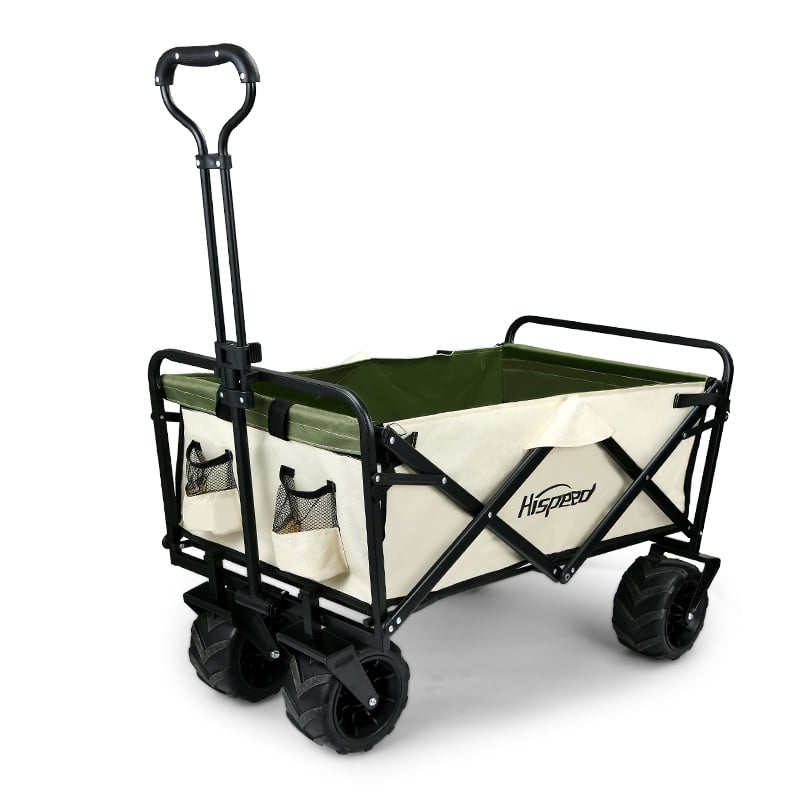
Selecting the right outdoor equipment is one of the most critical decisions any adventurer or camper can make. The difference between a successful trip and a frustrating experience often comes down to whether your outdoor equipment matches the specific demands of your chosen activity. Whether you are planning a weekend camping trip, a challenging mountain hike, or a backyard gathering with friends, understanding what makes outdoor equipment suitable for different activities ensures you invest in gear that performs when you need it most.
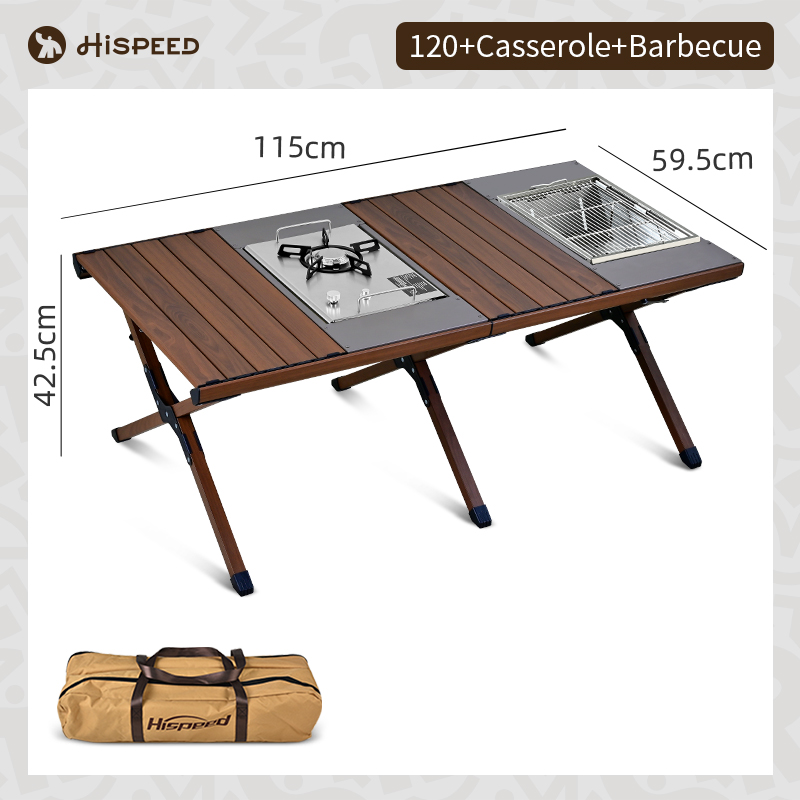
The key to identifying suitable outdoor equipment lies in evaluating several interconnected factors: the activity type, environmental conditions, duration of use, weight and portability requirements, durability standards, and user skill level. Every piece of outdoor equipment serves a specific purpose within a broader ecosystem of gear. When outdoor equipment is properly matched to its intended use, it not only enhances comfort and safety but also significantly extends the lifespan of your investment while reducing unnecessary expenses on duplicate or incompatible items.
Core Factors That Determine Outdoor Equipment Suitability
Activity Type and Environmental Conditions
The activity you plan to pursue is the primary driver of outdoor equipment selection. Camping outdoor equipment differs fundamentally from mountaineering outdoor equipment, just as backpacking outdoor equipment differs from car camping outdoor equipment. Each activity presents unique environmental stressors, from temperature extremes to moisture, wind resistance, and UV exposure. When evaluating outdoor equipment for your specific activity, consider whether you will encounter rain, snow, intense sun, high altitude, or extreme cold. These environmental factors determine which materials, coatings, and construction methods your outdoor equipment must possess to remain functional and safe.
Temperature range is particularly critical when selecting outdoor equipment. Summer camping outdoor equipment may prioritize ventilation and lightweight design, while winter outdoor equipment requires superior insulation and wind-blocking capabilities. The same outdoor equipment cannot perform equally well across such dramatically different conditions. Moisture management is another key consideration; outdoor equipment designed for desert use may fail in humid, tropical environments where moisture infiltration and mold growth pose significant challenges. Understanding the precise environmental conditions where your outdoor equipment will operate ensures you select gear that maintains its integrity and functionality throughout your adventure.
Duration, Portability, and Weight Specifications
The length of your trip directly influences what outdoor equipment you should bring and how that gear should be configured. Day-trip outdoor equipment can prioritize comfort and convenience over weight savings, whereas multi-day backpacking outdoor equipment demands careful weight optimization. Ultralight outdoor equipment serves thru-hikers and backcountry enthusiasts who cover significant distances daily, but such outdoor equipment often sacrifices durability and usable space. Car camping outdoor equipment operates under completely different constraints since you transport gear by vehicle, allowing for heavier, more feature-rich pieces. The relationship between portability and outdoor equipment quality requires careful balance; the lightest outdoor equipment is not always the most suitable if it compromises on durability or functionality for your specific needs.
Portability extends beyond simple weight considerations to include packing dimensions, attachment points, and modularity. Outdoor equipment that compresses efficiently into a pack saves valuable space for other essentials. Some outdoor equipment features integrated attachment systems that allow multiple pieces to connect, reducing overall bulk. When evaluating outdoor equipment for extended trips, consider how each piece contributes to your total pack weight and whether the outdoor equipment offers quick deployment mechanisms. Suitable outdoor equipment should feel intuitive to pack, unpack, and access during your adventure without requiring excessive time or frustration.
Material Quality and Durability Requirements
Construction Materials and Weather Resistance
The materials used in outdoor equipment construction directly determine how long that gear will serve you reliably. Aluminum outdoor equipment offers an excellent balance of lightweight design and structural strength, making it popular for frames, poles, and support structures across countless applications. Fabric-based outdoor equipment must feature appropriate water repellency, UV protection, and tear resistance; outdoor equipment manufacturers typically employ coated nylon, polyester, or canvas depending on intended use. Metal outdoor equipment components should resist corrosion through appropriate coatings, anodizing, or material selection. When examining outdoor equipment options, inspect the materials used in high-stress areas where failure could compromise safety or functionality. Quality outdoor equipment rarely relies on a single material; instead, it combines complementary materials to optimize performance where it matters most.
Weather resistance is not a simple binary characteristic of outdoor equipment; instead, it exists on a spectrum influenced by material choice, seam construction, and hardware quality. Premium outdoor equipment often features taped seams, welded joints, and sealed connections that prevent moisture infiltration at vulnerable points. Budget outdoor equipment may use glued seams or simple stitching that fails under repeated wetting cycles. The relationship between material quality and outdoor equipment longevity becomes obvious when comparing a five-year-old piece of quality outdoor equipment with a one-year-old piece of lower-grade outdoor equipment made from inferior materials. Suitable outdoor equipment should demonstrate visible signs of thoughtful construction, reinforced stress points, and materials that age gracefully rather than degrading rapidly.
Stress Testing and Performance Standards
Reputable outdoor equipment manufacturers subject their products to rigorous testing protocols before releasing them to market. This outdoor equipment testing validates whether the gear maintains functionality under extreme conditions including temperature cycling, moisture exposure, UV bombardment, and mechanical stress. When evaluating outdoor equipment, look for manufacturers who transparently share their testing methodology and performance metrics. Outdoor equipment certified for specific standards often includes documentation outlining the conditions under which that gear was validated. Such certifications provide confidence that your outdoor equipment will perform reliably when conditions become challenging. Premium outdoor equipment typically undergoes more extensive testing across a broader range of scenarios than lower-cost alternatives.
Field testing provides another layer of validation for outdoor equipment suitability. Professional outdoor equipment reviewers often use gear across multiple seasons and conditions before publishing their assessments. User communities build valuable knowledge about outdoor equipment performance through shared experience, creating informal but genuine databases of real-world performance data. When researching outdoor equipment options, consulting independent reviews and user feedback provides insights that manufacturer specifications alone cannot convey. Outdoor equipment that consistently receives positive feedback from diverse user bases across various geographic regions and seasons demonstrates broad suitability rather than performing well only under narrow conditions.
Skill Level Compatibility and User Adaptability
Beginner-Friendly Outdoor Equipment Features
Outdoor equipment designed for beginners prioritizes simplicity, intuitive operation, and forgiving design margins. Beginner outdoor equipment often features color-coded components, clear labeling, generous tolerances, and straightforward assembly procedures that do not require specialized knowledge or tools. Such outdoor equipment helps new adventurers develop skills and confidence without struggling against unnecessarily complex gear. However, suitable outdoor equipment for beginners should not sacrifice quality or safety; instead, it should deliver reliable performance through thoughtful design rather than advanced features that require training to operate effectively. When selecting outdoor equipment as a newcomer to outdoor activities, prioritize pieces that demonstrate clear functionality and avoid ultra-specialized outdoor equipment designed for expert-level use.
Safety considerations become paramount when evaluating outdoor equipment for inexperienced users. Suitable outdoor equipment for beginners should include sufficient safety margins that user error does not immediately result in failure or injury. Load ratings, temperature ratings, and capacity specifications on quality outdoor equipment provide clear guardrails that help beginners operate within safe parameters. Outdoor equipment with obvious failure modes, clear warning indicators, and forgiving performance characteristics builds user confidence while encouraging safe practices. As beginners develop skills and familiarity with outdoor equipment, they naturally gravitate toward more specialized and advanced gear that matches their growing expertise and refined preferences.
Advanced Features for Experienced Users
Experienced outdoor adventurers benefit from outdoor equipment that offers advanced features, customization options, and optimized performance under demanding conditions. Advanced outdoor equipment may sacrifice beginner-friendliness in favor of weight savings, specialized functionality, or extreme performance capabilities. Suitable outdoor equipment for experts includes modular designs that allow configuration adjustments, compatibility with complementary gear from multiple manufacturers, and performance optimization for specific niche applications. Professional-grade outdoor equipment often incorporates sophisticated materials, precision engineering, and specialized features that provide marginal performance gains valuable to experts but unnecessary for casual users. When evaluating outdoor equipment as an experienced user, focus on how well that gear aligns with your specific activity style, environmental preferences, and performance priorities.
Expert outdoor equipment often features more aggressive design choices, such as reduced safety margins, minimal padding, or ultralight materials that demand careful handling. Such outdoor equipment requires user understanding of proper care, deployment procedures, and operating limitations. The outdoor equipment suitable for experts reflects their accumulated knowledge and proven ability to operate complex gear responsibly. Advanced outdoor equipment investments often deliver superior performance and reliability when matched with users capable of maintaining and operating them correctly.
Decision-Making Framework for Outdoor Equipment Selection
Matching Gear to Specific Activity Requirements
Developing a systematic approach to outdoor equipment selection prevents costly mistakes and ensures you invest in gear that truly serves your needs. Begin by clearly defining your primary outdoor activity and the specific environmental conditions you typically encounter. Document the frequency, duration, and intensity of your outdoor adventures to understand how robustly your outdoor equipment must be constructed. Consider secondary activities where your outdoor equipment might also see use, as versatile outdoor equipment often provides better value than single-purpose alternatives. Create a prioritized list of outdoor equipment needs, distinguishing between essential items that directly impact safety and comfort versus nice-to-have additions that enhance convenience. This framework for evaluating outdoor equipment helps prevent impulsive purchases and ensures your gear portfolio grows intentionally.
Budget allocation requires careful consideration of how outdoor equipment investment translates to real-world value and longevity. Premium outdoor equipment costs significantly more upfront but may deliver substantially better performance and durability across a multi-year timeframe. Mid-range outdoor equipment often provides the best balance for most recreational users, offering solid quality and functionality at reasonable prices. Budget outdoor equipment serves as an excellent starting point for newcomers exploring whether outdoor activities genuinely interest them before making larger investments. The suitable outdoor equipment choice depends on your commitment level, usage frequency, and performance requirements rather than simply purchasing the most expensive option.
Testing and Validation Before Major Purchases
Whenever possible, test outdoor equipment before committing to a purchase, particularly for expensive items representing significant investments. Many outdoor retailers allow customers to rent outdoor equipment or take items on trial basis, providing genuine field experience that informs purchasing decisions far better than store-based evaluation alone. Borrowing outdoor equipment from experienced friends or joining community outdoor groups provides access to diverse gear options without purchasing everything yourself. Attend outdoor expos and gear demonstrations where you can physically interact with outdoor equipment and discuss performance with manufacturers and experienced users. Such hands-on evaluation of outdoor equipment prevents purchasing mistakes and builds confidence that your selected gear will perform as expected during actual adventures.
Online reviews and community forums provide valuable perspectives on outdoor equipment performance across diverse conditions and user types. Reading multiple reviews of the same outdoor equipment reveals common strengths and weakness patterns that individual reviews might not emphasize. User-generated content showing outdoor equipment in realistic conditions often conveys practical information more effectively than polished manufacturer marketing materials. When evaluating outdoor equipment through online research, look for reviews from users whose activity level, geography, and priorities align closely with your own situation. Cumulative evidence from multiple sources builds a more reliable assessment of outdoor equipment suitability than any single perspective alone.
FAQ
How do I know if outdoor equipment is suitable for my specific activity?
Assess your activity type, environmental conditions, trip duration, and skill level, then match those parameters against outdoor equipment specifications and user reviews. Quality outdoor equipment manufacturers provide detailed specifications about temperature ratings, weight limits, and intended use cases. Compare these outdoor equipment specifications directly to your activity requirements, and look for user feedback from people engaging in similar activities under comparable conditions. If outdoor equipment reviews consistently mention success in your specific scenario, that gear likely represents a suitable match for your needs.
What outdoor equipment features indicate higher quality and durability?
High-quality outdoor equipment displays thoughtful construction details including reinforced seams, stress-point reinforcement, appropriate material selection for the intended purpose, and transparent manufacturer testing documentation. Premium outdoor equipment often features taped seams, welded connections, and hardware rated for extreme conditions. Look for outdoor equipment with clear performance specifications, detailed care instructions, and warranty coverage reflecting manufacturer confidence. Transparent outdoor equipment manufacturers readily share information about their testing protocols and materials, demonstrating confidence in their products' quality and durability.
Can the same outdoor equipment work for multiple different activities?
Some outdoor equipment does provide versatility across multiple activities, though purpose-specific outdoor equipment typically performs better than one-size-fits-all alternatives. Versatile outdoor equipment often represents the best value for recreational users engaging in multiple outdoor pursuits with varying requirements. However, highly specialized outdoor equipment optimized for specific conditions often outperforms generalist alternatives in those particular scenarios. The optimal approach combines core multipurpose outdoor equipment with activity-specific specialized gear that addresses unique demands of particular adventures.