 EN

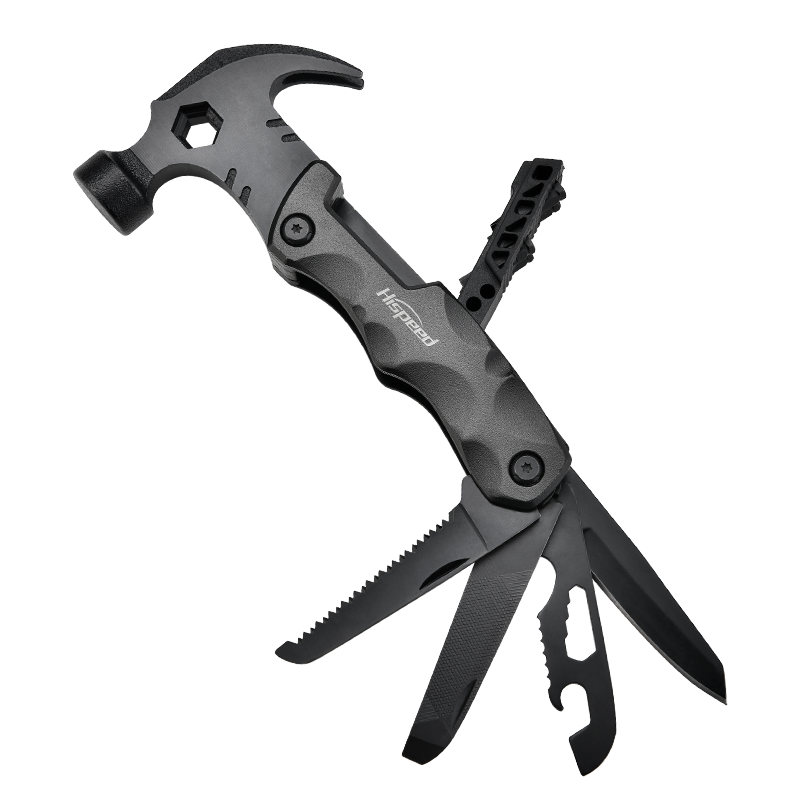
Weather is one of the most significant factors that determines how well your outdoor equipment performs in the field. Whether you're planning a weekend camping trip, hiking expedition, or extended backcountry adventure, understanding how environmental conditions affect your gear is essential for safety and longevity. Temperature fluctuations, precipitation, wind, and UV radiation all interact with outdoor equipment materials and components in different ways, sometimes causing immediate performance degradation and other times triggering gradual wear that reduces lifespan. By recognizing these weather-related challenges, you can make informed decisions about which outdoor equipment to purchase, how to maintain it, and when to replace worn gear before it fails you in critical moments.
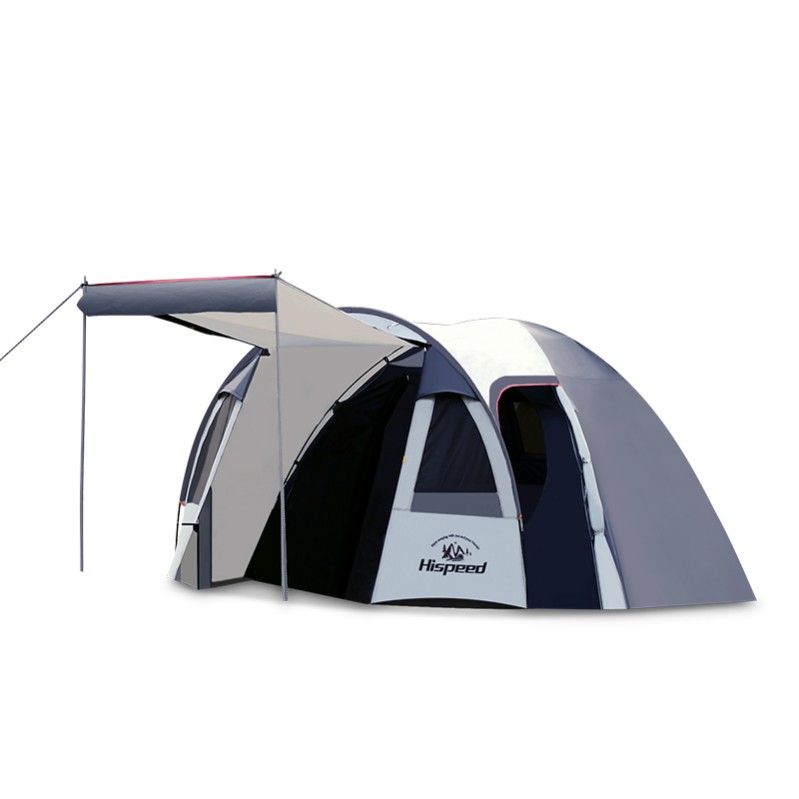
Understanding the relationship between weather conditions and outdoor equipment performance helps you select appropriate gear for specific climates and seasons while taking preventive measures that extend equipment life. Rain, snow, and moisture can compromise waterproofing, encourage mold growth, and corrode metal components if your outdoor equipment lacks proper protective coatings or materials. Conversely, extreme heat can degrade synthetic fabrics, weaken adhesive bonds in layered materials, and reduce the effectiveness of certain insulation types used in outdoor equipment. Cold temperatures create their own set of challenges, making materials brittle, reducing fuel efficiency in portable stoves, and affecting battery performance in electronic devices. This comprehensive guide examines how different weather patterns influence outdoor equipment durability, performance, and safety, empowering you to maximize your investment and stay secure during your outdoor pursuits.
Impact of Moisture and Precipitation on Outdoor Equipment
Water Damage and Waterproofing Degradation
Moisture represents one of the most persistent threats to outdoor equipment longevity because water penetrates materials, promotes rust formation, and accelerates material breakdown. Even outdoor equipment designed with waterproof coatings can experience seam failure, zipper corrosion, and fabric saturation if exposed to heavy rain or submerged conditions without proper maintenance. Waterproofing layers on outdoor equipment like tents, backpacks, and sleeping bags gradually lose effectiveness as UV rays and repeated flexing cause micro-cracks and coating separation. When moisture enters the interior of outdoor equipment, it creates ideal conditions for mold growth, musty odors, and material rot that cannot be easily reversed. Properly maintaining waterproof outdoor equipment requires regular cleaning, occasional re-coating with hydrophobic treatments, and ensuring zippers and seams remain sealed before each use.
Corrosion of Metal Components
Metal parts integrated into outdoor equipment, including tent poles, stove burners, carabiners, and fasteners, are vulnerable to rust and corrosion when exposed to moisture and salt spray. Aluminum components in outdoor equipment are generally more resistant than steel but still require protective measures in humid or coastal environments. Zinc-plated or powder-coated metal components on quality outdoor equipment offer better resistance, yet even these protective finishes deteriorate over time when exposed to rain and salt. When metal corrosion affects outdoor equipment structural integrity, tent poles may weaken, cooking equipment may fail, and safety-critical hardware may become unreliable. Regular drying and occasional application of protective oils help preserve metal outdoor equipment and prevent premature failure.
Temperature Extremes and Their Effects on Outdoor Equipment
Cold Weather Performance Impacts
Cold temperatures fundamentally alter how outdoor equipment functions because materials become less flexible, adhesives weaken, and certain fabrics lose insulating effectiveness. Synthetic insulation found in cold-weather outdoor equipment like sleeping bags compresses and reduces loft when wet, making the equipment far less effective at retaining body heat. Liquid fuels in portable stoves used with outdoor equipment become sluggish in freezing conditions, requiring priming and producing inconsistent performance. Rubber seals and gaskets on outdoor equipment like water containers and fuel canisters can crack or harden in extreme cold, compromising their ability to create watertight seals. Battery-powered devices integrated with outdoor equipment, such as headlamps and GPS units, experience reduced runtime and may fail entirely when exposed to prolonged freezing temperatures.
Heat Degradation and UV Damage
Excessive heat degrades synthetic materials commonly used in outdoor equipment construction, weakening fabric tensile strength and causing color fading and brittleness. Extended UV exposure breaks down polymers in outdoor equipment materials, leading to discoloration, reduced tear strength, and eventual material failure even before direct mechanical stress occurs. Adhesives used to bond layers in modern outdoor equipment may separate or weaken under high heat, particularly in poorly ventilated storage areas or direct sunlight. Plastic components found throughout quality outdoor equipment, from tent windows to fuel bottle caps, can warp or become fragile when exposed to intense solar radiation. Storing outdoor equipment in shaded, temperature-controlled areas and using UV-protective storage bags significantly extends material lifespan and maintains equipment functionality.
Wind Exposure and Structural Stress on Outdoor Equipment
Material Fatigue from Wind Loads
Strong winds place continuous mechanical stress on outdoor equipment fabric and frameworks, causing material fatigue that accumulates over multiple exposures. Outdoor equipment like tents experience repeated flexing and vibration during windy conditions, which gradually weakens fabric seams, zipper mechanisms, and pole attachment points. High winds generate pressure variations that stress the structural integrity of inflatable components in some outdoor equipment designs, sometimes causing failure if equipment lacks adequate pressure relief or reinforcement. The constant movement of loose straps, guy-lines, and accessory attachments on outdoor equipment during wind events causes material abrasion and connection point wear. Equipment designed specifically for windy conditions uses reinforced stress points and flexible pole systems to distribute wind loads across outdoor equipment structures rather than concentrating force at vulnerable attachment points.
Salt Spray and Coastal Weather Impacts
Coastal and near-water environments expose outdoor equipment to salt spray that accelerates corrosion, degrades fabric waterproofing, and deposits crystalline residue that attracts moisture. Salt crystals accumulate in outdoor equipment seams and crevices, creating corrosive conditions that continue damaging equipment long after initial exposure. Metal fasteners and hardware on seaside outdoor equipment experience particularly rapid degradation from salt spray, making stainless steel components essential for equipment used in these environments. Fabric surfaces on outdoor equipment exposed to salt spray experience reduced water-repellency and increased mold susceptibility due to salt hygroscopy. Thorough rinsing with fresh water after coastal use is critical for maintaining outdoor equipment integrity and preventing long-term damage from salt accumulation.
FAQ
How does humidity affect outdoor equipment storage?
Humidity creates ideal conditions for mold growth and material degradation in stored outdoor equipment. Keeping outdoor equipment in dry storage areas with consistent temperature and low humidity prevents moisture absorption and extends the lifespan of all materials, especially natural fabrics and metal components. Silica gel packs and ventilated storage containers help maintain optimal conditions for long-term outdoor equipment preservation.
Can temperature changes damage outdoor equipment during storage?
Rapid temperature fluctuations cause condensation inside stored outdoor equipment, promoting mold growth and accelerating adhesive breakdown. Maintaining stable storage temperatures prevents this moisture accumulation and keeps outdoor equipment components from expanding and contracting excessively. Uncontrolled temperature swings can also cause material embrittlement and compromise the structural integrity of stored outdoor equipment over time.
What weather conditions pose the greatest risk to outdoor equipment?
Combinations of cold, wet, and windy conditions pose the greatest cumulative risk to outdoor equipment because moisture penetrates materials while wind stress increases, and low temperatures reduce material flexibility. Salt spray near coastal areas accelerates corrosion of metal outdoor equipment components more rapidly than fresh water exposure alone. High UV exposure in sunny, high-altitude environments degrades synthetic outdoor equipment materials even without additional weather stress factors.