 EN
EN

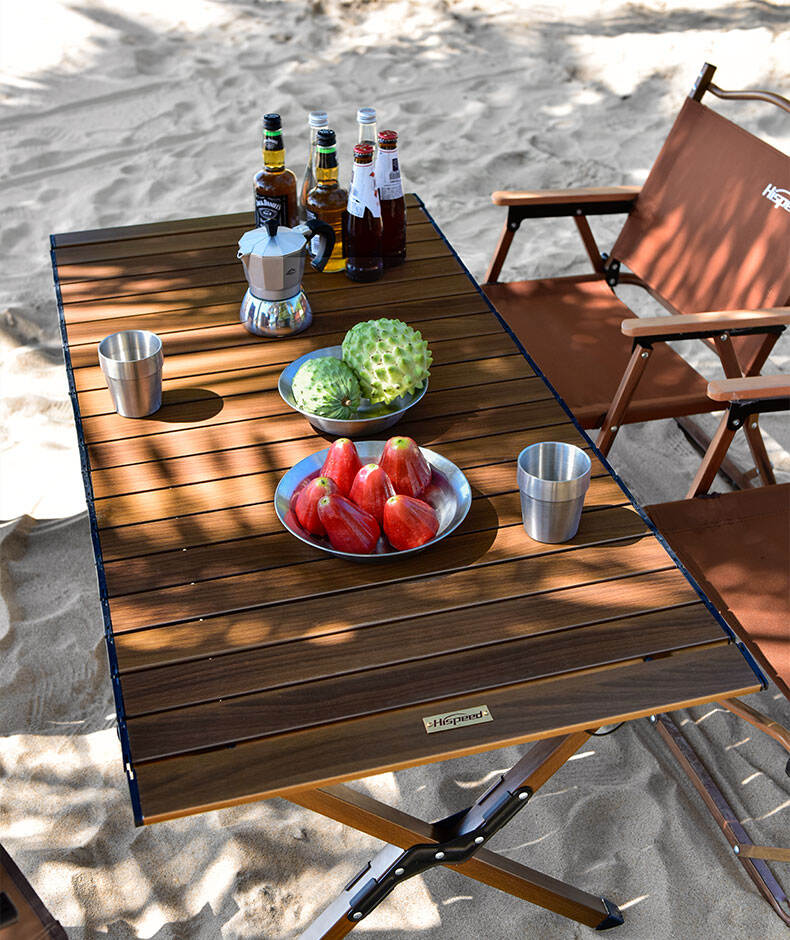
Weather conditions pose the most significant challenge to outdoor table longevity, with various environmental factors directly impacting material integrity, structural stability, and overall performance. Understanding how different weather patterns affect your outdoor table helps property owners make informed decisions about protection, maintenance, and material selection to ensure years of reliable use in challenging outdoor environments.
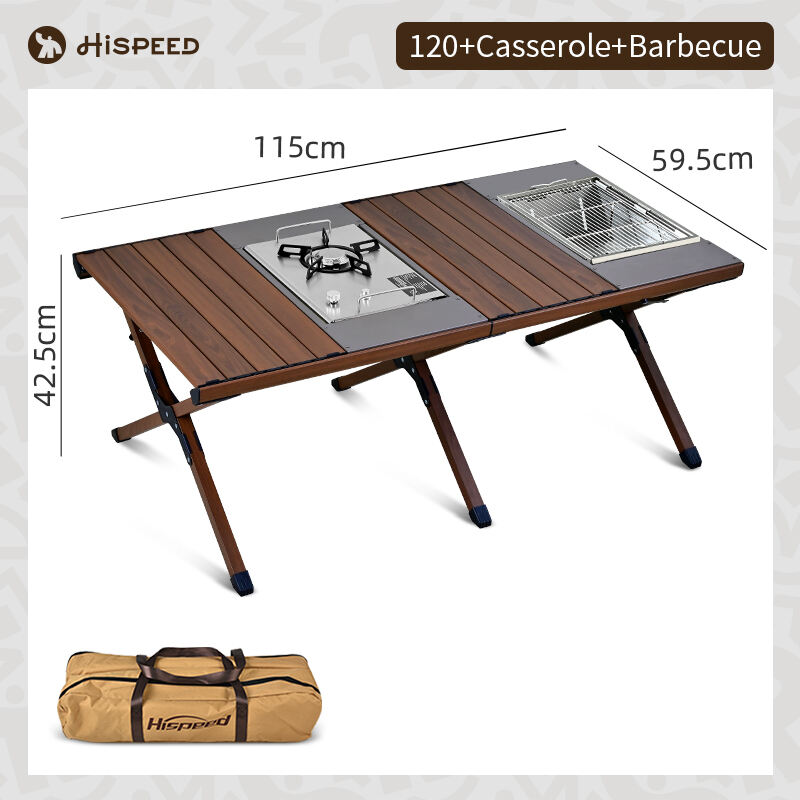
The relationship between weather exposure and outdoor table durability involves complex interactions between materials, design features, and environmental stresses that develop over time. Each weather condition creates specific degradation patterns that affect different outdoor table components in unique ways, from surface finishes to structural joints, requiring targeted protection strategies for optimal performance.
Material Response to Temperature Variations
Heat Expansion and Contraction Effects
Temperature fluctuations cause outdoor table materials to expand during hot weather and contract during cold periods, creating stress cycles that gradually weaken structural connections. Metal outdoor table components experience more dramatic dimensional changes than wood or composite materials, potentially loosening bolts, screws, and joint assemblies over repeated heating and cooling cycles.
Aluminum outdoor table frames handle temperature variations better than steel alternatives, maintaining dimensional stability while resisting corrosion from condensation that forms during rapid temperature changes. The thermal expansion coefficient differences between dissimilar materials in mixed-construction outdoor table designs can create additional stress points where components separate or crack under extreme temperature swings.
Proper outdoor table design incorporates expansion joints, flexible mounting systems, and material compatibility considerations to accommodate thermal movement without compromising structural integrity. Understanding these thermal dynamics helps explain why some outdoor table designs perform better in climates with significant temperature variations throughout the year.
Extreme Temperature Impact Assessment
Prolonged exposure to extreme heat causes outdoor table surface materials to deteriorate through UV degradation, thermal stress cracking, and accelerated chemical breakdown of protective coatings. High temperatures above 100°F can soften plastic components, warp composite materials, and cause paint or powder coating to bubble or peel on metal outdoor table surfaces.
Freezing temperatures create different challenges for outdoor table durability, with water trapped in joints, cracks, or porous materials expanding upon freezing and creating internal pressure that splits or cracks components. Metal outdoor table legs and frames can become brittle at extremely low temperatures, particularly if the metal composition includes materials prone to cold temperature embrittlement.
The frequency and duration of extreme temperature exposure significantly influences outdoor table degradation rates, with sudden temperature changes often more damaging than gradual transitions. Geographic regions with dramatic daily temperature swings require outdoor table materials specifically engineered to handle rapid thermal cycling without failure.
Moisture and Precipitation Effects
Water Penetration and Retention Issues
Water infiltration represents one of the most destructive forces affecting outdoor table longevity, penetrating surface coatings, seeping into joints, and creating conditions for corrosion, rot, and structural degradation. Even weather-resistant outdoor table materials can suffer damage when water consistently accumulates in design features that prevent proper drainage or ventilation.
Rain exposure affects different outdoor table materials uniquely, with untreated wood absorbing moisture that leads to swelling, warping, and eventual decay, while metal surfaces develop rust and corrosion when protective coatings fail. Composite outdoor table materials generally resist moisture penetration better than natural materials, though prolonged exposure to standing water can still cause delamination or surface degradation.
The design of an outdoor table significantly influences moisture management, with sloped surfaces, drainage holes, and elevated designs helping prevent water accumulation that accelerates material breakdown. Poor drainage design allows water to pool on horizontal surfaces or collect in joints where it can cause the most damage over time.
Humidity and Condensation Challenges
High humidity environments create persistent moisture exposure that affects outdoor table materials even during periods without direct precipitation, promoting corrosion, mold growth, and material degradation through constant moisture presence. Metal outdoor table components in humid climates require enhanced corrosion protection, while wood materials need improved ventilation and moisture-resistant treatments to prevent decay.
Condensation forms on outdoor table surfaces when temperature differences between the table material and surrounding air create moisture accumulation, particularly during cool mornings or when warm, humid air contacts cooler table surfaces. This condensation can be just as damaging as direct rain exposure, especially when it occurs repeatedly in areas with limited air circulation.
Coastal environments present additional humidity challenges for outdoor table durability, combining high moisture content with salt air that accelerates corrosion of metal components and degrades protective coatings more rapidly than inland locations. Understanding local humidity patterns helps in selecting appropriate outdoor table materials and maintenance schedules for optimal performance.
Wind and Storm Impact Considerations
Structural Stress from Wind Loading
Wind forces create dynamic loading conditions that test outdoor table structural integrity through lateral pressure, uplift forces, and vibration that can loosen connections and fatigue materials over time. Lightweight outdoor table designs may offer portability advantages but can struggle with wind stability unless properly anchored or designed with aerodynamic considerations.
The surface area and profile of an outdoor table directly influence wind vulnerability, with larger tabletops and vertical surfaces creating more wind resistance and higher stress loads on support structures. Umbrella attachments and other accessories can dramatically increase wind loading on outdoor table frames, requiring enhanced structural support and connection strength.
Repeated wind exposure causes cumulative fatigue damage in outdoor table joints, welds, and fasteners, gradually weakening connections that may appear secure during calm conditions but fail under moderate wind loads. Regular inspection of outdoor table structural elements helps identify wind-related damage before complete failure occurs.
Storm Damage Prevention Strategies
Severe weather events including thunderstorms, hail, and high winds can cause immediate damage to outdoor table surfaces, structures, and accessories through impact, overturning, and projectile strikes from debris. Hail damage particularly affects outdoor table surfaces with softer materials or thin protective coatings that can be punctured or dented by ice impacts.
Proper storm preparation for outdoor table protection involves securing loose components, removing accessories that increase wind resistance, and potentially relocating portable outdoor table designs to sheltered areas during severe weather warnings. Fixed outdoor table installations may require permanent anchoring systems capable of withstanding regional storm intensities.
Post-storm inspection protocols help identify outdoor table damage that may not be immediately visible, including loosened fasteners, cracked joints, or compromised protective coatings that could lead to accelerated deterioration if not addressed promptly. Documentation of storm damage also supports insurance claims and helps track outdoor table performance over time.
UV Radiation and Sun Exposure Effects
Material Degradation from Solar Exposure
Ultraviolet radiation from sunlight breaks down molecular bonds in outdoor table materials, causing color fading, surface chalking, and structural weakening that accumulates over years of exposure. Plastic and composite outdoor table components are particularly vulnerable to UV degradation, requiring UV-resistant formulations or protective coatings to maintain integrity under constant solar exposure.
Metal outdoor table surfaces with painted or powder-coated finishes experience UV-induced coating breakdown that eventually exposes underlying materials to corrosion and weathering. Even UV-resistant coatings gradually lose effectiveness under intense solar radiation, requiring periodic renewal to maintain protective properties.
Geographic location significantly influences UV exposure intensity for outdoor table installations, with higher elevations, lower latitudes, and areas with high solar reflectance creating more aggressive UV environments. Understanding local UV intensity helps determine appropriate outdoor table material selection and maintenance intervals for optimal longevity.
Heat Build-up and Surface Temperature Effects
Direct sunlight causes outdoor table surfaces to reach temperatures significantly higher than ambient air temperature, creating thermal stress and making surfaces uncomfortably hot for users. Dark-colored outdoor table surfaces absorb more solar heat than light colors, reaching temperatures that can damage materials and create safety concerns during peak sun exposure.
Heat build-up in outdoor table surfaces can cause thermal expansion that stresses joints and connections while also accelerating chemical degradation of materials and protective coatings. Metal outdoor table surfaces in direct sunlight can become too hot to touch, requiring design considerations for user safety and material protection.
Shade structures, awnings, or strategic placement can significantly reduce solar heat gain on outdoor table surfaces while providing user comfort and extending material life. The orientation of outdoor table installations relative to seasonal sun angles affects daily and annual heat exposure patterns that influence long-term durability.
Climate-Specific Durability Strategies
Regional Weather Pattern Adaptation
Different climate zones require specific outdoor table durability strategies based on predominant weather patterns, seasonal variations, and local environmental conditions that create unique challenges for material performance. Coastal regions demand enhanced corrosion protection, while desert climates require superior UV resistance and thermal stress management for outdoor table longevity.
Seasonal weather transitions create particularly challenging conditions for outdoor table durability, with freeze-thaw cycles, spring temperature swings, and seasonal moisture patterns requiring materials and designs that can handle diverse environmental stresses throughout the year. Understanding local climate patterns helps optimize outdoor table selection and maintenance timing.
Microclimate conditions around outdoor table installations can differ significantly from regional weather patterns, with factors like wind exposure, shade coverage, drainage, and nearby structures creating localized environmental conditions that affect material performance. Site-specific outdoor table placement decisions should consider these microclimate factors for optimal durability.
Preventive Maintenance Scheduling
Weather-based maintenance scheduling aligns outdoor table care activities with seasonal conditions and weather patterns that create specific maintenance needs throughout the year. Spring inspections identify winter damage, summer care focuses on UV and heat protection, fall preparation addresses upcoming weather challenges, and winter maintenance may involve protective covering or storage.
Proactive outdoor table maintenance based on weather forecasts and seasonal patterns prevents minor issues from developing into major problems that compromise structural integrity or require expensive repairs. Regular cleaning, coating renewal, and component inspection schedules should align with local weather cycles for maximum effectiveness.
Documentation of weather exposure and maintenance activities helps track outdoor table performance over time, identifying patterns that inform future maintenance decisions and material selection for replacement or additional installations. This data supports warranty claims and helps optimize long-term outdoor table investment returns.
FAQ
How quickly does weather damage affect outdoor table materials?
Weather damage to outdoor table materials occurs gradually over months and years, with initial effects like surface discoloration and minor corrosion appearing within the first season of exposure. Significant structural damage typically develops over 2-5 years depending on material quality, weather intensity, and maintenance practices, though extreme weather events can cause immediate damage to poorly protected outdoor table installations.
Can outdoor tables withstand all weather conditions without protection?
No outdoor table can withstand all weather conditions indefinitely without some form of protection or maintenance, as even the most weather-resistant materials will eventually degrade under constant environmental exposure. High-quality weather-resistant outdoor table designs can handle normal weather patterns for many years with minimal maintenance, but extreme conditions, prolonged exposure, and lack of care will eventually cause deterioration requiring repair or replacement.
Which weather conditions cause the most damage to outdoor tables?
Freeze-thaw cycles cause some of the most severe damage to outdoor table materials by creating internal pressure that cracks and splits components, while constant moisture exposure leads to corrosion and rot that compromises structural integrity. UV radiation creates long-term degradation that weakens materials gradually, and high winds can cause immediate structural damage during severe weather events, making these four weather factors the most significant threats to outdoor table durability.
How can I tell if weather has damaged my outdoor table?
Weather damage signs in outdoor table installations include surface discoloration, rust or corrosion on metal parts, loose or wobbly connections, cracking or splitting in materials, peeling or bubbling protective coatings, and water damage like rot or delamination. Regular inspection should check for these visible indicators while testing structural stability by gently pushing on the outdoor table frame and examining all joints and connection points for movement or separation that indicates weather-related deterioration.