 EN
EN

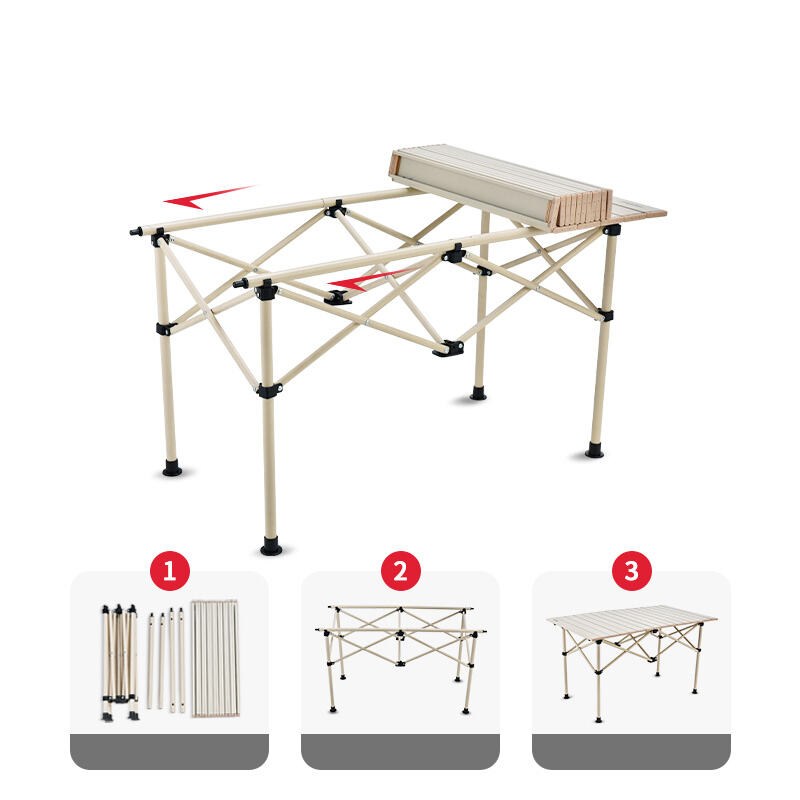
Selecting the perfect foldable table requires careful consideration of multiple factors that align with your specific requirements and usage scenarios. Whether you need outdoor camping furniture, portable workspace solutions, or versatile indoor seating arrangements, understanding the essential characteristics of quality foldable tables ensures you make an informed purchasing decision. The right foldable table combines durability, functionality, and convenience to enhance your activities while providing reliable surface support when you need it most.
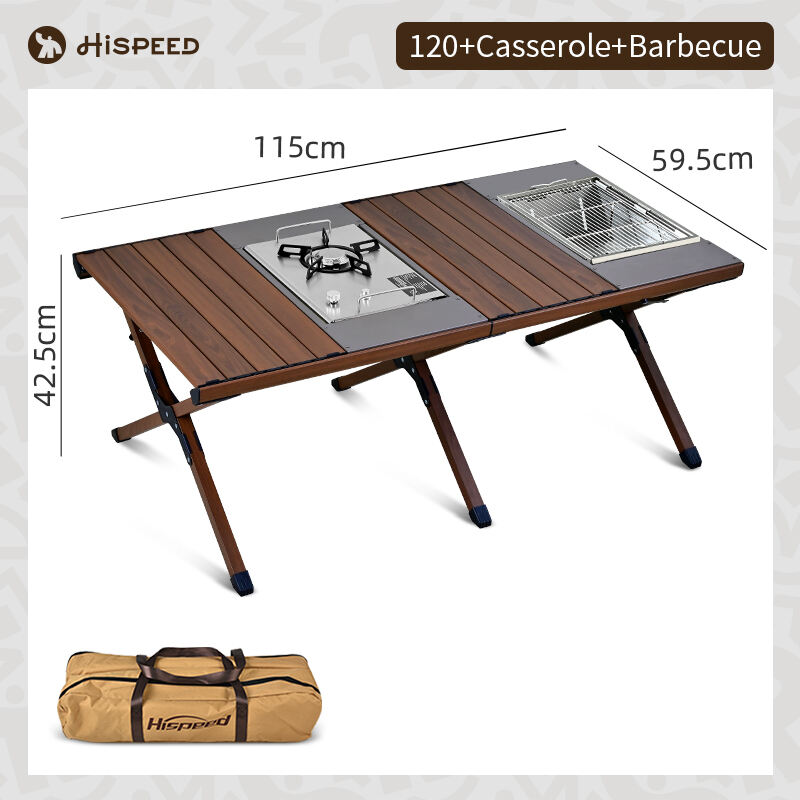
Understanding Foldable Table Materials and Construction
Aluminum Construction Benefits
Aluminum foldable tables represent the gold standard for portable surface solutions due to their exceptional strength-to-weight ratio. These lightweight yet sturdy tables resist corrosion and weather damage, making them ideal for outdoor applications. Professional-grade aluminum construction ensures your foldable table maintains structural integrity under various load conditions while remaining easy to transport and store. The material's natural resistance to rust and oxidation means your investment will provide years of reliable service regardless of environmental exposure.
Modern manufacturing techniques create aluminum foldable tables with reinforced joints and precision-engineered locking mechanisms. These advanced construction methods eliminate wobbling and ensure stable surface performance during use. Quality aluminum tables feature smooth edges and professional finishes that resist scratches and maintain their appearance over time. When evaluating options, examine the thickness of aluminum components and the quality of welded connections to ensure optimal durability.
Steel Frame Alternatives
Steel-framed foldable tables offer superior load-bearing capacity for heavy-duty applications requiring maximum stability. While heavier than aluminum alternatives, steel construction provides unmatched strength for commercial or industrial use. These robust tables handle substantial weight distributions and resist deformation under extreme conditions. Steel foldable tables often feature powder-coated finishes that provide corrosion protection while maintaining professional appearance standards.
The enhanced rigidity of steel frames makes these foldable tables suitable for permanent installations where frequent setup and breakdown occur. Professional catering operations and event management companies often prefer steel construction for its reliability and longevity. Consider steel options when your applications demand maximum structural integrity and load capacity takes priority over portability concerns.
Size Specifications and Dimensional Considerations
Standard Size Options
Foldable table dimensions typically range from compact 60cm options for personal use to expansive 180cm models for group activities. The most popular configurations include 90cm and 120cm lengths, which accommodate four to six people comfortably while maintaining reasonable portability. Height specifications generally follow standard dining table measurements between 70-75cm to ensure ergonomic compatibility with standard seating. Understanding these dimensional standards helps you select appropriate sizes for your intended applications.
Width measurements affect surface area and stability characteristics of your foldable table selection. Narrow profiles reduce storage requirements and transportation bulk while wider configurations provide enhanced workspace and improved structural stability. Consider the relationship between surface area needs and storage constraints when evaluating dimensional specifications. Standard widths typically range from 50cm to 80cm depending on intended use cases and user requirements.
Weight Capacity Ratings
Professional foldable tables feature specific weight capacity ratings that indicate maximum safe load distributions. Quality models typically support between 30kg to 75kg depending on construction materials and design specifications. These ratings account for both static loads and dynamic forces that occur during normal use. Understanding capacity limitations prevents structural damage and ensures safe operation throughout the product lifecycle.
Distributed weight handling differs from concentrated load capacity, with most foldable tables performing better under evenly distributed loads. Heavy items placed at table edges or corners can exceed design limitations even when total weight remains within specifications. Consider your typical load patterns and select models with appropriate safety margins above your expected usage requirements.
Portability Features and Storage Solutions
Folding Mechanisms
Advanced folding mechanisms distinguish premium foldable tables from basic models through their ease of operation and reliability. Smooth-operating hinges with positive locking positions ensure quick setup and secure deployment during use. Quality mechanisms feature spring-loaded releases and intuitive operation that allows single-person setup without tools or complex procedures. The best foldable table designs incorporate user-friendly mechanisms that function consistently over thousands of fold cycles.
Locking systems vary significantly between manufacturers, with some utilizing lever-action locks while others employ twist-lock or snap-lock configurations. Each system offers distinct advantages in terms of security, ease of use, and maintenance requirements. Evaluate locking mechanisms based on your dexterity requirements and operational preferences to ensure comfortable long-term use of your chosen foldable table.
Carrying Accessories
Integrated carrying handles and storage bags enhance the practical utility of portable foldable tables. Quality models include padded carrying cases that protect surfaces during transport while providing convenient storage when not in use. Handle placement and design affect carrying comfort, particularly for extended transport distances. Look for models with balanced handle positioning that allows comfortable single-person carrying without strain or awkward positioning.
Some premium foldable tables feature wheeled transport systems or telescoping handles similar to luggage designs. These advanced mobility features prove invaluable for frequent users who regularly transport tables over significant distances. Consider your typical transportation scenarios and select carrying features that match your mobility requirements and physical capabilities.
Surface Materials and Functionality
Tabletop Options
Surface materials significantly impact the functionality and maintenance requirements of your foldable table selection. High-density polyethylene tops offer excellent weather resistance and easy cleaning while maintaining lightweight characteristics. These synthetic surfaces resist staining and provide consistent performance in outdoor environments. Alternative materials include laminated wood-grain finishes that provide aesthetic appeal while maintaining practical durability.
Textured surfaces improve grip characteristics and prevent items from sliding during use, particularly important for outdoor applications where wind or uneven surfaces create additional challenges. Smooth surfaces facilitate easy cleaning and food preparation activities but may require additional measures to prevent slipping. Consider your primary use cases when selecting between textured and smooth surface options for your foldable table.
Multi-Function Capabilities
Advanced foldable tables incorporate additional functionality beyond basic surface provision. Models with integrated storage compartments provide organization solutions for accessories and supplies. Some designs include built-in cup holders, utensil storage, or equipment mounting points that enhance utility for specific applications. These multi-functional features add value when they align with your intended use patterns.
Specialized foldable table designs incorporate cooking surfaces, grilling areas, or equipment mounting systems for outdoor recreation activities. These integrated solutions eliminate the need for separate equipment while maintaining portable convenience. Evaluate whether specialized functionality justifies additional complexity and cost based on your specific requirements and usage frequency.
Environmental Conditions and Weather Resistance
Outdoor Performance
Weather resistance becomes critical when selecting foldable tables for outdoor applications. Quality outdoor models feature UV-resistant materials that prevent degradation from prolonged sun exposure. Moisture resistance protects structural components from rain and humidity while preventing corrosion of metal elements. Temperature stability ensures consistent performance across seasonal variations without warping or material failure.
Wind resistance characteristics affect stability during outdoor use, with heavier models providing better performance in breezy conditions. Some foldable tables include anchor points or stability features specifically designed for outdoor use. Consider your typical outdoor conditions and select models with appropriate weather resistance ratings for your geographic location and seasonal usage patterns.
Indoor Versatility
Indoor applications often prioritize different characteristics compared to outdoor use, focusing on aesthetics and floor protection rather than weather resistance. Foldable tables for indoor use should feature protective feet or pads that prevent floor scratching during setup and use. Noise reduction becomes important in shared spaces where table movement might disturb others.
Storage efficiency gains importance for indoor applications where space limitations require compact folded dimensions. Indoor foldable tables often emphasize appearance and finish quality since they may remain visible when stored. Consider both functional and aesthetic requirements when selecting models for indoor use, ensuring they complement your existing decor while providing necessary functionality.
Budget Considerations and Value Assessment
Price Range Analysis
Foldable table pricing varies significantly based on construction quality, materials, and feature sets. Entry-level models typically range from budget-friendly options suitable for occasional use to mid-range selections offering enhanced durability. Premium models command higher prices through superior materials, advanced features, and extended warranty coverage. Understanding price-to-value relationships helps you make informed decisions based on your usage requirements and budget constraints.
Cost-per-use calculations provide perspective on long-term value, particularly for frequent users who benefit from investing in higher-quality options. Professional-grade foldable tables often justify their higher initial cost through extended service life and reduced replacement frequency. Consider your expected usage patterns and calculate total ownership costs including potential replacements over your planning horizon.
Warranty and Support
Manufacturer warranties indicate confidence in product quality and provide protection for your investment. Comprehensive warranty coverage should include structural defects, mechanism failures, and material degradation under normal use conditions. Extended warranty options may be available for premium models, providing additional peace of mind for significant investments in quality foldable tables.
Customer support availability affects long-term satisfaction, particularly when replacement parts or technical assistance become necessary. Established manufacturers typically provide better support infrastructure including spare parts availability and technical documentation. Research manufacturer reputation and support capabilities before finalizing your foldable table selection to ensure long-term satisfaction with your purchase.
FAQ
What weight capacity should I look for in a foldable table
Most quality foldable tables support between 30-75kg depending on construction materials and design. For general camping and outdoor use, models rated for 40-50kg provide adequate capacity for typical loads including food, equipment, and cooking supplies. Heavy-duty applications may require higher capacity ratings, while lightweight personal use tables can function effectively with lower ratings. Always maintain safety margins and distribute weight evenly across the surface.
How do I maintain my foldable table properly
Regular cleaning with mild soap and water maintains surface appearance and prevents buildup of dirt and debris. Inspect folding mechanisms periodically and lubricate hinges with appropriate lubricants to ensure smooth operation. Store your foldable table in dry conditions when not in use to prevent corrosion of metal components. Check locking mechanisms regularly and replace worn components to maintain safety and functionality.
Can foldable tables be used for cooking activities
Many foldable tables accommodate cooking equipment including portable stoves and grills, but verify heat resistance ratings before use. Specialized camping models often feature heat-resistant surfaces and integrated cooking areas designed for outdoor food preparation. Always use appropriate heat shields or trivets when placing hot items on standard table surfaces to prevent damage. Follow manufacturer guidelines regarding temperature limits and cooking equipment compatibility.
What size foldable table works best for family camping
Family camping typically requires 120cm or larger foldable tables to accommodate four to six people comfortably. Consider both seating capacity and food preparation space requirements when selecting size specifications. Larger tables provide more versatility but require additional storage space and transportation capacity. Balance size requirements against portability constraints based on your camping style and group size requirements.