 EN
EN

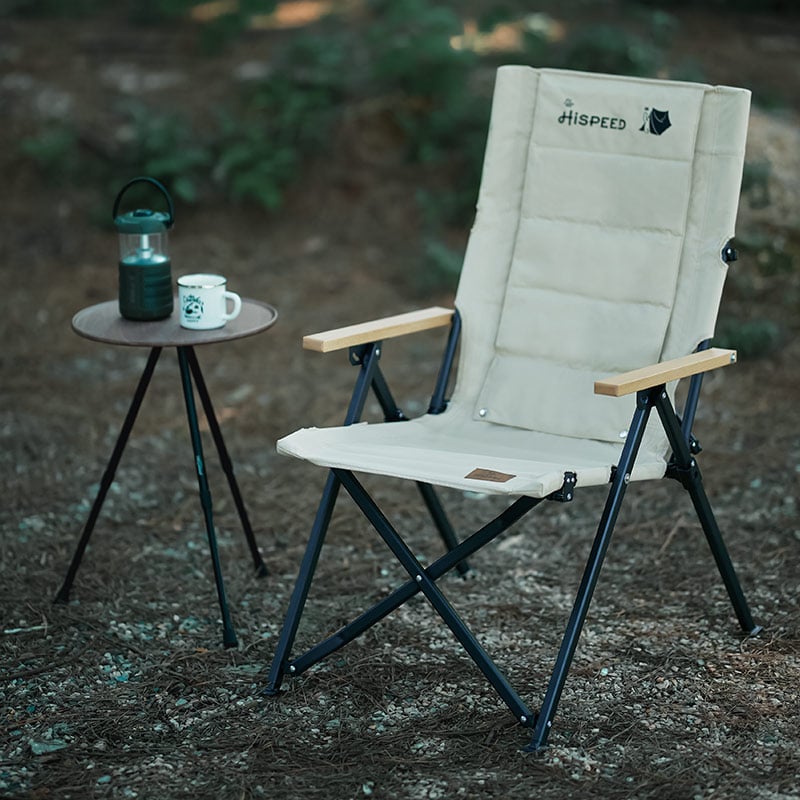
Selecting the right folding table for your home requires careful consideration of multiple practical factors. While many people focus solely on price, the decision involves assessing your specific needs, available space, intended use cases, and the quality standards that will serve your household best. A poor choice can result in a wobbly surface, durability issues, or wasted storage space, whereas investing time in understanding your requirements ensures you purchase a folding table that delivers genuine value and longevity. Whether you need a folding table for family gatherings, outdoor entertaining, workshop projects, or emergency backup seating, understanding how to evaluate options transforms the selection process from overwhelming to straightforward.
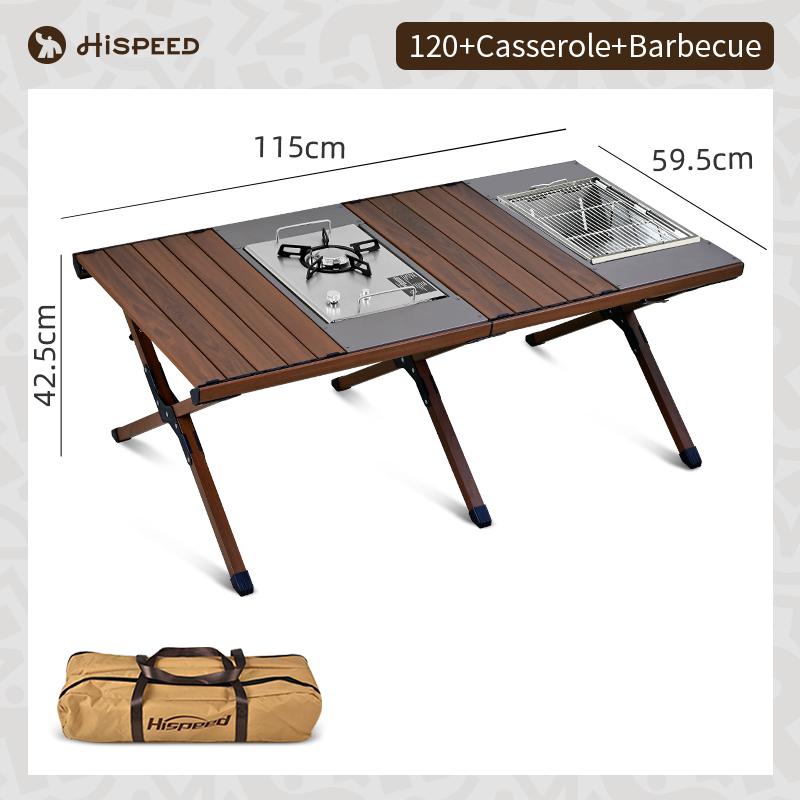
The folding table market offers tremendous variety, from compact personal-sized models to substantial dining surfaces designed for entertaining. Much like choosing a beach chair for outdoor comfort, picking the right folding table involves matching the product's characteristics to your household's actual lifestyle and usage patterns. This guide walks you through the essential decision criteria, helping you navigate specifications, materials, and design features with confidence. By the end, you'll understand exactly what makes a folding table suitable for your specific circumstances.
Understanding Your Space and Usage Requirements
Assessing Available Space
Before evaluating any folding table, measure the areas where you intend to use and store it. A folding table must fit comfortably in your intended location when fully deployed, and equally important, it must fold to dimensions that suit your storage capability. Many households underestimate how much floor or closet space a folded folding table occupies. Consider the ceiling height in your storage area as well, since some folding tables stand quite tall even when compressed. Taking accurate measurements prevents the frustration of purchasing a folding table that technically folds but creates storage challenges.
Identifying Primary Use Cases
The specific activities you'll perform on your folding table fundamentally shape which model serves you best. A folding table for casual dining differs significantly from one designed for crafting, which differs again from a folding table intended for industrial or workshop applications. If your family hosts regular outdoor gatherings, you'll prioritize stability and weather resistance in your folding table selection. If you need a folding table primarily for occasional extra seating, a lightweight model prioritizes portability. Just as a beach chair designed for lounging won't work well for active beach volleyball, a folding table optimized for one use may perform poorly in different scenarios. Define your primary use case first, then evaluate whether a single folding table can handle your secondary needs.
Material Selection and Structural Integrity
Material Durability and Weather Resistance
Folding table materials directly determine longevity and performance in various environments. Aluminum folding tables offer excellent corrosion resistance and lightweight handling, making them ideal for outdoor use and frequent relocation. Steel folding tables typically provide greater weight capacity and structural rigidity, though they're heavier and more susceptible to rust without proper coating. Plastic folding tables deliver maximum portability and require minimal maintenance, though they generally support lower weight limits. Wood folding tables bring aesthetic appeal but demand more careful weather protection and seasonal maintenance. When evaluating a folding table's material, consider your climate, typical storage conditions, and how often you'll move it. A folding table exposed to salt spray or constant moisture requires superior corrosion resistance compared to one used exclusively indoors.
Stability and Load-Bearing Capacity
A folding table's stability depends on frame design, leg bracing, and material quality working together. Quality folding tables feature cross-bracing or X-shaped leg supports that distribute weight and resist wobbling under load. The weight capacity rating becomes critical when you plan to place heavy items on your folding table or when multiple people will lean on it simultaneously. A folding table might appear sturdy visually, but only by checking the manufacturer's specifications and reading user reviews can you verify whether it remains stable during actual use. Just as you wouldn't rely on a flimsy beach chair for genuine comfort, you shouldn't compromise on a folding table's structural reliability. Test stability by applying downward pressure to different areas of any folding table you're seriously considering.
Practical Features and User Experience
Height, Dimensions, and Adjustability
Standard folding table heights typically range from 28 to 34 inches, with 30 inches representing the most common dining height. For work-focused uses, a taller folding table around 36 inches reduces awkward bending and back strain during extended use. The table length and width must accommodate your typical item arrangement without excessive overhang that creates tipping hazards. Some premium folding tables include adjustable height features, allowing you to customize a single folding table for dining, standing work, or display purposes. Consider whether additional features like removable legs or split surfaces add genuine utility to your folding table or simply increase complexity and cost. A well-designed folding table balances feature richness with straightforward, reliable operation.
Portability and Setup Convenience
The ease of moving, setting up, and storing your folding table dramatically impacts whether you'll actually use it regularly. A lightweight aluminum folding table might weigh only 15 to 25 pounds, making it manageable for a single person to transport and deploy. Heavier steel folding tables require more effort but offer superior stability and durability for permanent installations. Consider whether your folding table includes carrying handles or transport bags that make relocation practical. Some folding tables feature one-handed setup mechanisms that minimize frustration, while others require two people and multiple adjustment steps. Before purchasing a folding table, envision the realistic frequency and context of your setup and breakdown activities. A beach chair gets used repeatedly because it's genuinely convenient; similarly, a folding table gets used when setup and storage feel manageable rather than burdensome.
Design Considerations and Aesthetics
Visual Integration with Your Space
While functionality dominates the selection process, the visual appearance of your folding table affects whether it feels like a permanent household fixture or an obvious temporary addition. A folding table with a quality finish and proportional design coordinates better with existing decor than a utilitarian metal frame. Color options range from natural wood tones to powder-coated finishes in various shades, allowing your folding table to complement your aesthetic preferences. Consider whether your folding table will remain visible during storage or remain completely hidden, as this affects the importance of appearance. Premium folding tables invest in refined details like rounded edges, smooth surfaces, and cohesive hardware that elevate the overall impression far beyond basic function.
Surface Characteristics and Maintenance
The folding table's top surface material determines ease of cleaning and resistance to staining and damage. High-pressure laminate surfaces on folding tables wipe clean easily and resist minor scratches, making them excellent for dining and casual use. Sealed wood folding tables offer warmth and appeal but require more thoughtful maintenance to preserve finish quality. Plastic surfaces on budget folding tables demand minimal care but show wear more visibly over time. Consider your household's lifestyle and whether your folding table will encounter food spills, craft materials, or outdoor weathering. A beach chair doesn't require elaborate maintenance because of smart material choices; similarly, selecting a folding table with appropriate surface protection prevents future frustration.
FAQ
What size folding table works best for a typical home dining scenario?
For most households, a folding table measuring 4 to 6 feet long and 2 to 2.5 feet wide accommodates typical dining situations while remaining manageable for storage and movement. A 4-foot folding table seats four to six people comfortably, while a 6-foot folding table handles eight to ten. Consider your actual guest count and available space rather than defaulting to maximum size, since oversized folding tables consume disproportionate storage volume.
How much weight can a typical folding table safely support?
Weight capacity varies significantly based on construction quality and materials. Budget folding tables typically support 200 to 300 pounds total, while quality aluminum or steel folding tables often support 400 to 800 pounds or more. Always consult the manufacturer's specifications for your specific folding table model rather than assuming capacity based on appearance or general category.
Can I use a folding table outdoors year-round without damage?
Material selection determines outdoor durability. Aluminum and quality plastic folding tables withstand outdoor conditions well with minimal maintenance, though they benefit from protective covers during extreme weather. Steel folding tables require rust-preventive coating and careful storage during harsh seasons to maintain integrity. For year-round outdoor use, plan for a protective covering or seasonal storage to maximize your folding table's lifespan.