 EN
EN

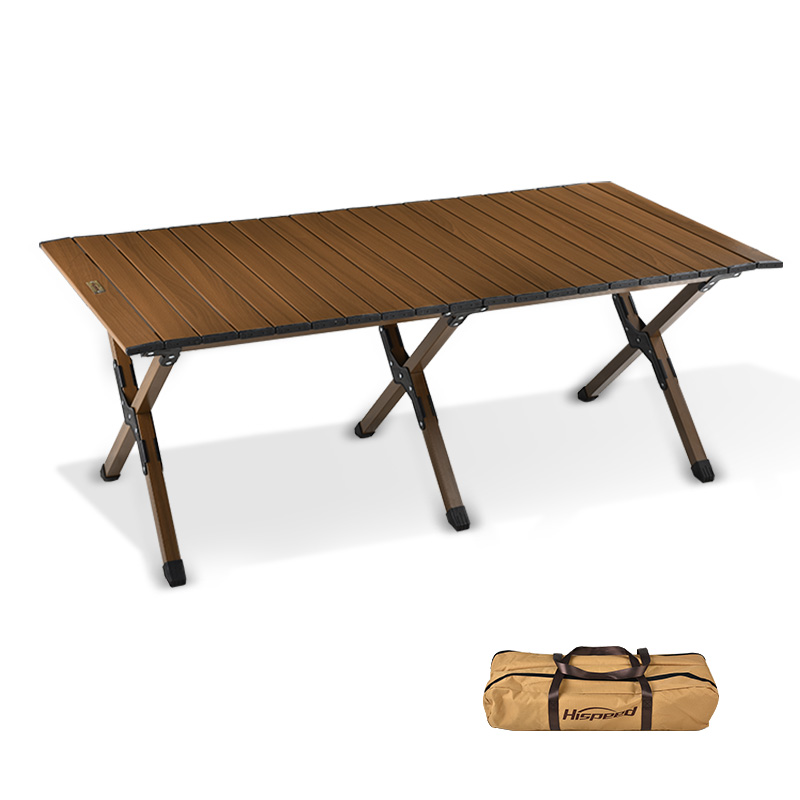
Living in a small apartment means every square foot counts, and choosing furniture that adapts to your space is essential. A foldable table is one of the smartest investments a small-space dweller can make, offering the functionality of a full-sized surface when needed and virtually disappearing when not in use. But not every foldable table is the right fit for every compact living environment — the size you choose will determine whether it genuinely solves your space problem or simply adds to the clutter.
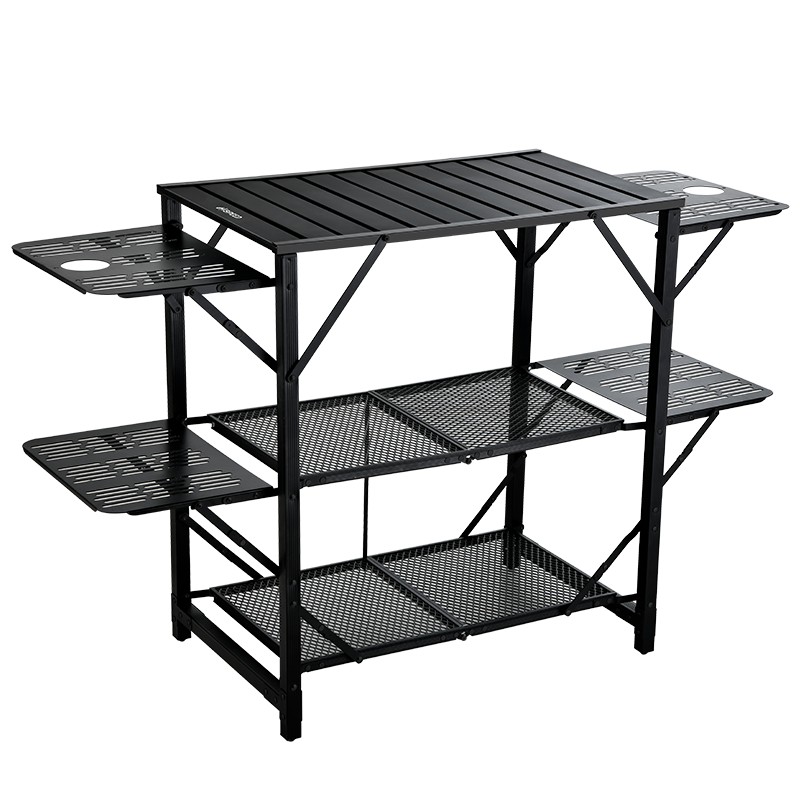
This article is specifically designed to help you identify which foldable table size truly fits a small apartment. We'll walk through the dimensions that work best in limited floor plans, the scenarios where each size makes sense, and the practical considerations that go beyond just measuring your room. Whether you're outfitting a studio, a one-bedroom unit, or a compact urban flat, understanding foldable table sizing will help you make a decision you won't regret.
Understanding Size Ranges in a Foldable Table
Compact Sizes: Under 24 Inches Wide
The smallest foldable table options — typically under 24 inches in width — are designed for ultra-tight spaces and single-person use. These are perfect for a corner of a studio apartment, a bedroom desk substitute, or a side table that can hold a laptop or a meal. Their footprint is minimal enough that even placing them next to a sofa doesn't feel intrusive.
At this scale, a foldable table typically folds flat to just a few inches of depth, allowing it to slide behind a door, under a bed, or into a closet without any effort. For residents of micro-apartments or converted studio units, this size category often delivers the best balance between usability and storability.
While these tables are limited in surface area, they serve well for focused tasks — writing, eating, or placing a monitor — and they're light enough that repositioning them throughout the apartment is quick and easy. Their portability is a distinct advantage in small living arrangements where one piece of furniture often needs to serve multiple zones.
Mid-Size Options: 24 to 40 Inches Wide
The mid-size range is arguably the most versatile for small apartment living. A foldable table in the 24-to-40-inch-wide range offers enough surface area for two people to dine comfortably, or for one person to spread out work materials without feeling cramped. This category hits the sweet spot between function and footprint.
These dimensions work particularly well in apartment kitchens that lack a built-in dining area, or in living rooms where a primary dining table isn't practical. When folded, most of these tables can be stored vertically against a wall, behind a door, or inside a storage closet, occupying very little real estate when not in use.
Mid-size foldable tables are also well-suited for multipurpose use. They can transition from a breakfast station in the morning to a work desk during the day and a dinner table in the evening. This flexibility makes a foldable table in this range an especially intelligent choice for small apartments where rooms must serve multiple purposes.
Matching Foldable Table Size to Apartment Layout
Studio Apartments and Open-Plan Units
In a studio apartment, the entire living space is one open zone, which means furniture choices have an outsized visual and functional impact. A compact to mid-size foldable table — something in the 20-to-32-inch range — fits well without dominating the floor plan. It can be deployed near the kitchenette for eating and then stored against a wall when the space needs to serve as a living or sleeping area.
For studio residents, the ability to fold and tuck away a foldable table is not just a convenience — it's a necessity. Studios rarely have dedicated dining zones, so the table must coexist with other functions. A narrower foldable table with foldable legs that lock securely is ideal because it doesn't shift during use but disappears completely when you're done.
When shopping for a foldable table for a studio, pay attention to the tabletop surface area versus the folded storage size. Some models fold to just 2 inches thick, making them easy to lean behind a sofa or slot into a closet shelf. That kind of compact storage profile is a key selection criterion for open-plan units.
One-Bedroom and Small Two-Room Apartments
One-bedroom apartments offer slightly more spatial flexibility, but the dining and working areas are still often constrained. Here, a foldable table in the 32-to-48-inch range can work well, especially if it's positioned against a wall or in a corner when not extended. This size can comfortably seat two to three people, making it practical for everyday meals and occasional hosting.
In a small two-room flat, the foldable table often takes on the role of the primary dining surface. In that case, stability and surface area become more important than sheer compactness. Look for a foldable table that offers a flat, even top surface and sturdy leg locks — particularly if it's going to be used daily for meals and work tasks.
Even in slightly larger compact apartments, the logic of a foldable table still pays off. When not in use, it can be folded and repositioned to create clear floor space for exercise, guests, or simply a less cluttered atmosphere. The ability to reconfigure your apartment around a fold-away surface is a quality-of-life improvement that permanent furniture cannot offer.
Key Sizing Factors Beyond Just Width
Table Height and Ergonomics in Small Spaces
When selecting a foldable table for a small apartment, width and length often get all the attention — but height is equally critical. Standard dining tables are around 28 to 30 inches tall, while desk-height surfaces sit slightly lower. Make sure the foldable table you choose matches the chairs or stools you plan to pair it with, especially in spaces where the table also functions as a workspace.
An ergonomically mismatched foldable table can make everyday tasks uncomfortable, which defeats the purpose of having a functional, multipurpose surface. Check whether the legs are fixed-height or adjustable — some compact foldable table models offer height adjustability, which greatly increases their versatility in small-apartment contexts where the same surface may serve multiple tasks.
Height also affects how the foldable table interacts with surrounding furniture. A taller table placed next to a low sofa can feel visually jarring and spatially awkward. Choosing a height that harmonizes with your existing layout will make the table feel like a natural part of the room rather than an afterthought.
Folded Depth and Storage Feasibility
A foldable table that folds to a thin profile is far more useful in a small apartment than one that remains bulky when closed. Look for models that fold flat enough to fit between furniture pieces or stand upright in a narrow hallway or closet gap. The folded depth — often expressed in inches — is one of the most overlooked but practically important specs in small-space furniture.
Many quality foldable table designs collapse the legs flat against the underside of the tabletop, allowing the entire unit to be stored vertically or slid under a bed frame. This design logic is specifically useful for small apartments where dedicated storage space is limited. A foldable table that folds to under 3 inches of depth can realistically be stored almost anywhere.
Before purchasing, simulate the storage scenario: measure the gap where you intend to store the folded table and compare it against the product's folded dimensions. This simple step prevents the frustrating situation where your new foldable table is technically compact but still can't fit into the only available storage spot in your apartment.
Choosing the Right Foldable Table for Your Specific Needs
Single Occupants Versus Shared Living
For a single person living alone in a small apartment, a foldable table in the 20-to-28-inch range often provides all the surface area necessary for daily use. Eating alone, working on a laptop, or crafting doesn't require an expansive tabletop, and a smaller foldable table is easier to set up, fold away, and store repeatedly throughout the day.
Shared apartments with two or more residents naturally require more surface area. A foldable table in the 36-to-48-inch range can accommodate shared meals and serve as a temporary workstation for multiple users. When not needed, it still folds away cleanly, freeing up the communal space for other shared activities. The key is to prioritize a foldable table that is easy for all occupants to operate — smooth folding mechanisms and lightweight construction matter greatly in shared environments.
If you regularly entertain guests in your small apartment, consider a foldable table on the slightly larger end of the mid-size range. A 40-to-48-inch surface can accommodate three to four people comfortably, allowing you to host without a permanent dining setup. This is one of the most compelling use cases for a foldable table in a compact living space.
Multifunctional Use and Daily Workflow
In small apartments, every piece of furniture must pull multiple duties. A foldable table used only for one purpose is underperforming its potential. Think through all the scenarios where you'll use the table — dining, remote work, crafting, reading, or gaming — and choose a size that satisfies the most demanding of those use cases without over-sizing for the rest.
If remote work is a primary concern, prioritize a foldable table with a surface wide enough to hold a monitor, keyboard, and a notebook simultaneously. That typically requires at least 36 inches of width. If dining is the main use and you work at a separate desk, a 24-to-30-inch foldable table may serve the purpose cleanly.
Thinking about daily workflow also means thinking about how often you'll fold and unfold the table. A foldable table that's difficult to deploy quickly will eventually stay up permanently — defeating the space-saving purpose. Choose a foldable table that you can realistically set up in under 60 seconds to ensure it actually functions as intended within your daily routine.
FAQ
What is the best foldable table size for a studio apartment?
For a studio apartment, a foldable table between 20 and 32 inches wide is typically the best fit. This range offers enough surface area for solo dining and work tasks while folding to a compact footprint that can be stored against a wall or in a closet without consuming valuable floor space.
Can a foldable table replace a permanent dining table in a small apartment?
Yes, in many small apartments a foldable table can fully replace a permanent dining table. A mid-size model in the 36-to-48-inch range can seat two to four people comfortably and fold away completely when not in use, actually freeing up more living space than a permanent table would ever allow.
How do I measure whether a foldable table will fit my apartment?
Measure both the area where you plan to use the foldable table when deployed and the space where you'll store it when folded. Pay attention to the table's open dimensions as well as its folded depth. A tape measure and a clear floor plan sketch can help you visualize whether the foldable table size you're considering will work practically in your home.
Is a lightweight foldable table better for small apartments?
Generally, yes. A lightweight foldable table is easier to move, reposition, and store, which is especially important in small apartments where the table may need to be relocated frequently. Lighter materials make daily use more practical and reduce the effort involved in folding and unfolding the table multiple times per day.