 EN
EN

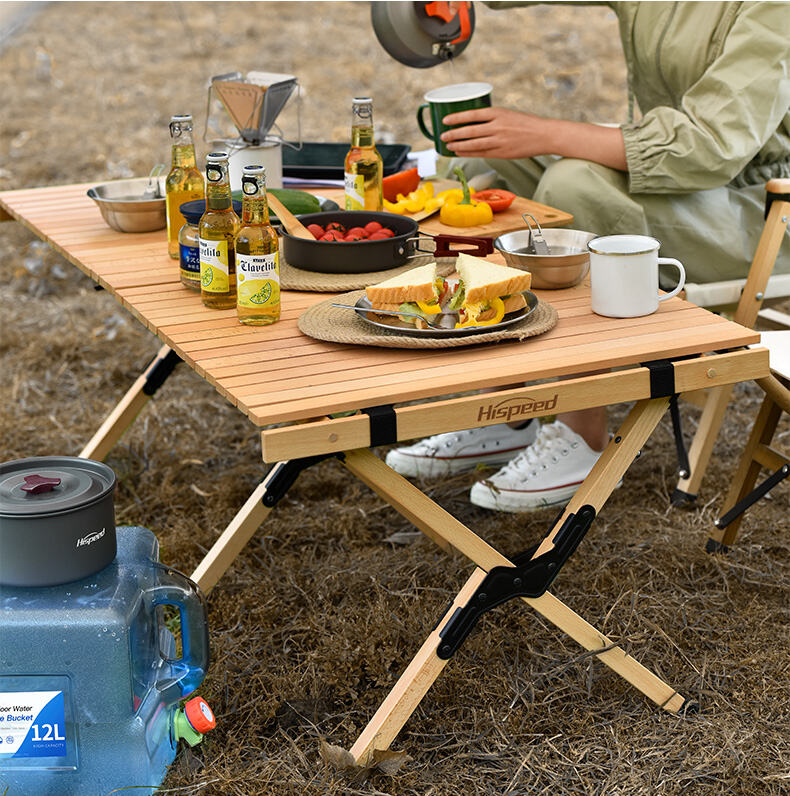
The modern consumer landscape demands versatility and practicality in every product purchase, and furniture solutions are no exception. A foldable table has evolved from simple convenience furniture to sophisticated, multi-functional equipment that serves diverse needs across residential, commercial, and outdoor applications. Understanding the essential features that define quality and functionality in today's market helps buyers make informed decisions that align with their specific requirements and long-term usage expectations.
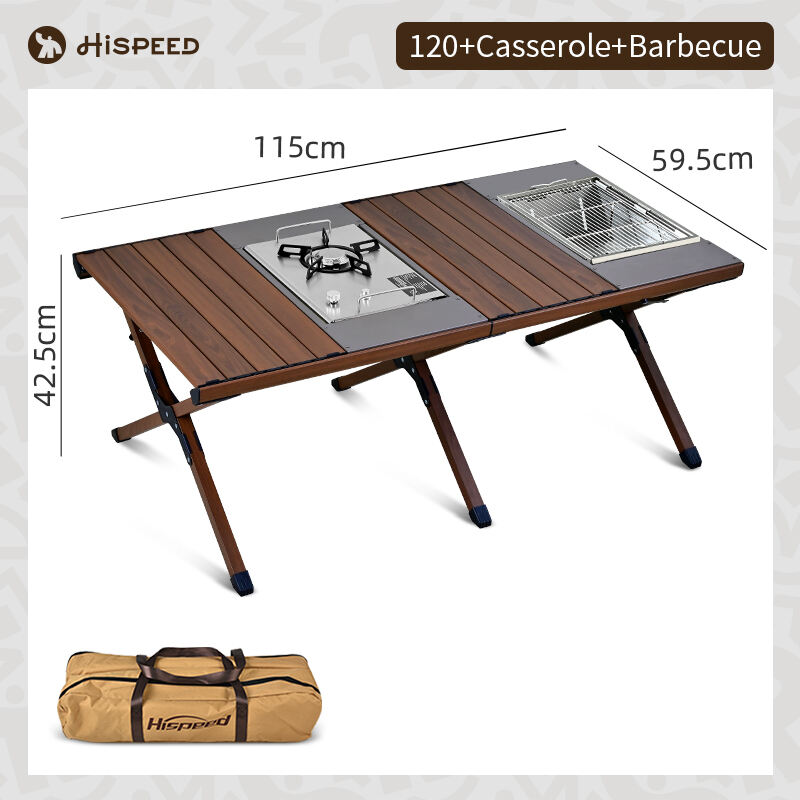
Contemporary manufacturing techniques and material innovations have transformed what consumers expect from portable furniture solutions. The best foldable table options now incorporate advanced engineering principles that balance durability, functionality, and aesthetic appeal. These improvements address traditional concerns about stability, longevity, and versatility that previously limited the appeal of folding furniture in professional and residential settings.
Material Construction and Durability Standards
Advanced Aluminum Framework Systems
Premium aluminum construction represents the gold standard in modern foldable table design. This lightweight yet robust material offers exceptional strength-to-weight ratios that make transportation effortless while maintaining structural integrity under substantial loads. Quality aluminum frameworks resist corrosion, weathering, and fatigue stress that typically compromises lesser materials over extended use periods.
The manufacturing process for high-grade aluminum frames involves precision welding and reinforcement techniques that eliminate weak points commonly found in budget alternatives. Surface treatments such as anodizing or powder coating provide additional protection against environmental factors while enhancing visual appeal. These processes ensure that a well-constructed foldable table maintains its appearance and functionality through years of regular use.
Surface Material Innovation
Table surface materials have undergone significant advancement, with manufacturers now offering options that combine practicality with aesthetic sophistication. High-pressure laminate surfaces provide excellent resistance to scratches, stains, and heat damage while maintaining easy cleaning protocols. Some premium models feature specialized coatings that repel liquids and resist bacterial growth, making them ideal for food service applications.
The integration of different surface textures and finishes allows users to select foldable table options that complement their intended environment. From smooth, professional surfaces suitable for business presentations to textured options that provide better grip for outdoor activities, material selection directly impacts both functionality and user satisfaction.
Stability and Load-Bearing Performance
Engineering Design Principles
Modern foldable table engineering focuses heavily on eliminating the wobbling and instability issues that plagued earlier generations of portable furniture. Advanced leg design incorporating triangular bracing systems and reinforced joint connections creates stable platforms capable of supporting substantial weight loads without compromising safety or user confidence.
The physics of weight distribution in portable furniture requires careful consideration of center-of-gravity principles and stress point management. Quality manufacturers employ computer-aided design processes that analyze load distribution patterns and identify potential failure points before production begins. This engineering approach results in foldable table solutions that perform reliably under diverse usage conditions.
Adjustable Height Mechanisms
Height adjustability has become an increasingly important feature in professional and recreational applications. Telescoping leg systems with secure locking mechanisms allow users to customize table height according to specific requirements, whether for dining, working, or presentation purposes. These systems must maintain stability across the entire adjustment range while providing intuitive operation.
Premium adjustment mechanisms incorporate multiple locking points that distribute stress evenly across the leg structure. This design approach prevents the gradual loosening that can occur with single-point locking systems, ensuring long-term reliability and consistent performance throughout the product's operational life.
Portability and Storage Efficiency
Compact Folding Mechanisms
The folding mechanism represents the heart of any portable table design, determining both ease of setup and long-term durability. Modern foldable table designs incorporate spring-assisted folding systems that reduce the effort required for setup and breakdown while maintaining secure locking when deployed. These mechanisms must balance ease of operation with robust construction that withstands repeated use cycles.
The geometry of folding systems affects both storage dimensions and operational convenience. Designs that fold completely flat offer maximum storage efficiency, while those that maintain some thickness may provide better protection for surface materials during transport. Understanding these trade-offs helps consumers select options that best match their storage constraints and usage patterns.
Transportation Considerations
Weight distribution and carrying options significantly impact the practical usability of portable furniture. Integrated carrying handles, shoulder straps, or wheeled transport systems can transform the user experience from cumbersome to convenient. The positioning and design of these features must not compromise the structural integrity of the foldable table while providing comfortable transport options.
Protective carrying cases or built-in edge guards help preserve the table's appearance and functionality during transport and storage. These accessories become particularly important for users who frequently move their equipment or store it in challenging environments where damage risks are elevated.
Specialized Features and Accessories
Integrated Functionality Options
Contemporary foldable table designs often incorporate specialized features that extend their utility beyond basic surface provision. Built-in storage compartments, cable management systems, cup holders, or tool mounting points transform simple tables into comprehensive work stations or activity centers. These integrated features must be designed not to interfere with the folding mechanism while providing genuine utility value.
The integration of cooking surfaces, electrical outlets, or specialized work features creates niche applications that serve specific user communities. Outdoor enthusiasts, trade professionals, and mobile workers each have unique requirements that can be addressed through thoughtful feature integration without compromising the fundamental portability advantages.
Environmental Adaptability
Weather resistance and environmental durability determine the long-term value proposition of any foldable table intended for outdoor use. UV-resistant materials, moisture-proof construction, and temperature stability ensure consistent performance across diverse environmental conditions. These characteristics become particularly important for equipment that may be stored in uncontrolled environments or subjected to extreme weather conditions.
The ability to maintain functionality and appearance despite exposure to salt air, humidity, temperature variations, and UV radiation requires careful material selection and protective treatments. Premium manufacturers test their products under accelerated aging conditions that simulate years of environmental exposure to validate long-term performance claims.
Size Optimization and Versatility
Dimensional Flexibility
The optimal size for a foldable table depends heavily on intended applications and user requirements. Manufacturers now offer extensive size ranges that accommodate everything from intimate dining settings to large group activities or professional presentations. The challenge lies in maintaining structural integrity and portability across this size spectrum while meeting diverse user needs.
Modular systems that allow multiple tables to be connected or nested provide additional versatility for users who need occasional large-surface solutions while maintaining compact storage requirements. These systems require precision manufacturing to ensure proper alignment and stable connections when multiple units are combined.
Multi-Purpose Applications
Versatility in application broadens the value proposition of any foldable table investment. Designs that function equally well for dining, working, gaming, or presentation purposes provide better long-term utility than specialized solutions. This adaptability requires careful consideration of height ranges, surface characteristics, and accessory compatibility.
The transition between different use modes should be intuitive and require minimal setup changes. Features like reversible surfaces, adjustable configurations, or quick-change accessories can significantly enhance versatility without adding excessive complexity to the basic operation.
Quality Assurance and Longevity
Manufacturing Standards
Quality control processes in foldable table manufacturing determine the consistency and reliability of the final product. Reputable manufacturers implement comprehensive testing protocols that evaluate joint strength, surface durability, folding mechanism longevity, and overall structural integrity. These tests often exceed normal usage expectations to ensure adequate safety margins.
Certification standards and compliance with relevant safety regulations provide additional assurance of product quality and user safety. International standards organizations have developed specific criteria for portable furniture that address stability, load capacity, and durability requirements that responsible manufacturers incorporate into their design and testing processes.
Maintenance and Service Life
The design of maintenance-friendly foldable table systems contributes significantly to long-term value and user satisfaction. Components that can be easily cleaned, lubricated, or replaced extend operational life and maintain optimal performance over extended periods. Clear maintenance guidelines and readily available replacement parts support continued functionality.
Expected service life varies significantly based on construction quality, usage patterns, and maintenance practices. Premium models designed for commercial or heavy recreational use typically incorporate heavier-duty components and more robust construction that justify higher initial costs through extended operational life and superior performance.
FAQ
What weight capacity should I expect from a quality foldable table
Quality foldable table models typically support between 50-150 pounds of evenly distributed weight, depending on size and construction materials. Premium aluminum models with reinforced frameworks can handle the upper end of this range, while lightweight camping versions may be limited to 30-50 pounds. Always verify manufacturer specifications and consider both static weight limits and dynamic loading from user activities.
How do I maintain the folding mechanism to ensure longevity
Regular maintenance of folding mechanisms involves periodic cleaning of pivot points, application of appropriate lubricants to moving parts, and inspection of locking components for wear or damage. Avoid exposing mechanisms to sand, dirt, or corrosive substances that can interfere with smooth operation. Store the foldable table in dry conditions and exercise the folding action periodically during long storage periods to maintain proper function.
Can foldable tables withstand outdoor weather conditions
Weather resistance varies significantly among foldable table models, with some designed specifically for outdoor use while others are intended for indoor applications only. Outdoor-rated models feature corrosion-resistant materials, UV-stable surfaces, and sealed mechanisms that protect against moisture infiltration. Check manufacturer specifications for IP ratings or specific weather resistance claims before using any foldable table in challenging environmental conditions.
What are the advantages of aluminum construction over other materials
Aluminum construction offers superior strength-to-weight ratios compared to steel or plastic alternatives, making transportation easier without sacrificing structural integrity. The material naturally resists corrosion and provides excellent longevity in outdoor applications. Additionally, aluminum frameworks can be engineered with precise tolerances that ensure consistent folding action and stable deployment, characteristics that are difficult to achieve with other materials at comparable weight levels.