 EN
EN

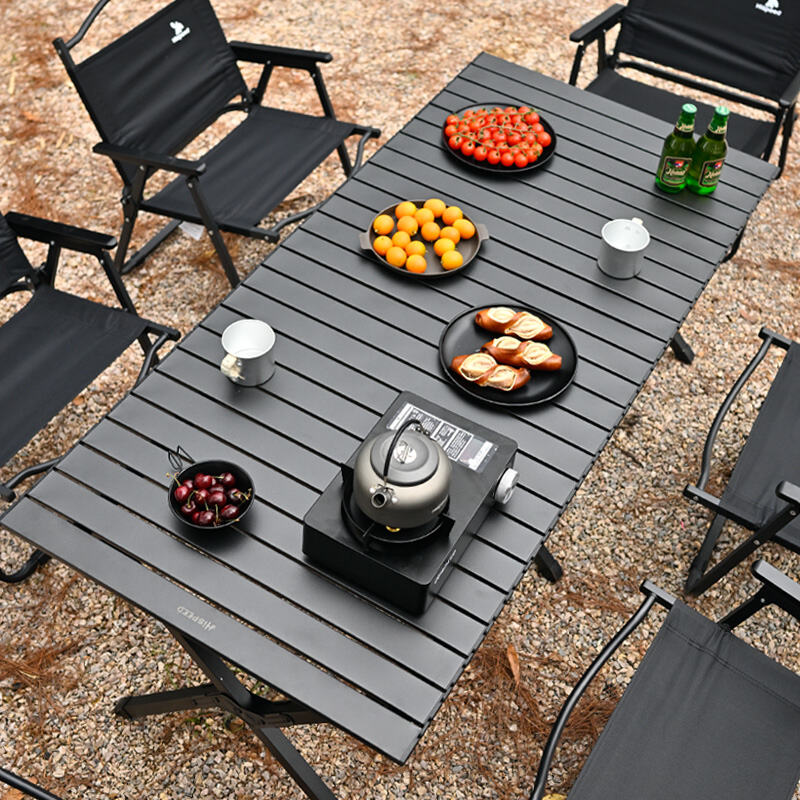
Living in compact homes, apartments, or outdoor spaces requires smart furniture solutions that maximize functionality without sacrificing convenience. A folding table emerges as one of the most versatile pieces of furniture for space-conscious individuals, offering the perfect blend of practicality and storage efficiency. Whether you're dealing with a studio apartment, tiny home, or need portable outdoor dining solutions, the right folding table can transform how you utilize your available space.
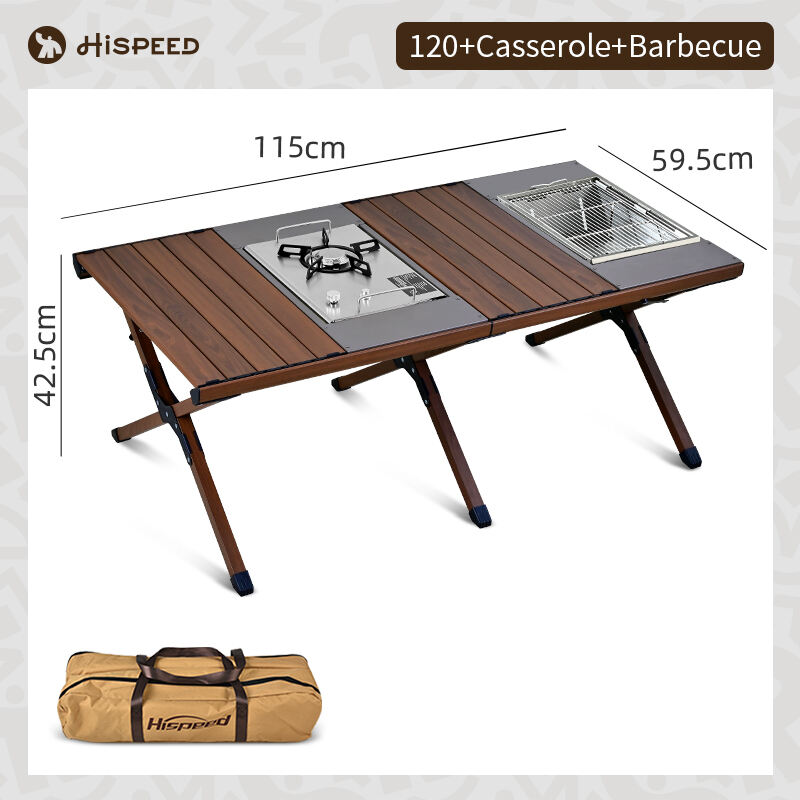
Modern folding table designs have evolved significantly beyond basic card tables or simple camping furniture. Today's options incorporate advanced materials, innovative folding mechanisms, and multi-functional features that make them suitable for various applications. From dining and workspace solutions to outdoor cooking platforms, these versatile pieces serve multiple purposes while maintaining the essential benefit of collapsible storage.
Essential Features of Space-Saving Folding Tables
Compact Storage Mechanisms
The primary advantage of any quality folding table lies in its storage efficiency when not in use. Advanced folding mechanisms allow these tables to collapse to a fraction of their expanded size, making them ideal for closet storage, under-bed placement, or garage organization. The best folding table designs feature secure locking systems that ensure stability during use while maintaining easy deployment and storage capabilities.
Modern folding tables incorporate various folding styles, including bi-fold, tri-fold, and telescopic designs. Each mechanism offers different benefits depending on your specific space requirements and intended applications. Some models feature legs that fold flat against the tabletop, while others include removable leg assemblies for even more compact storage solutions.
Lightweight Yet Durable Construction
Contemporary folding table construction utilizes advanced materials that balance weight reduction with structural integrity. Aluminum frames provide exceptional strength-to-weight ratios, making tables easy to transport and set up while supporting substantial loads. High-density polyethylene surfaces resist scratches, stains, and weather exposure, ensuring longevity even with frequent folding and unfolding.
The integration of reinforced joints and pivot points ensures that frequent folding operations don't compromise structural stability. Quality manufacturers employ precision engineering in hinge design, creating smooth operation that maintains alignment and prevents wobbling during use. These engineering advances make modern folding tables suitable for both indoor and outdoor applications without sacrificing durability.
Versatile Applications for Small Space Living
Indoor Multi-Purpose Solutions
In small living spaces, a well-designed folding table serves multiple roles throughout the day. During meals, it functions as a dining surface for family gatherings or intimate dinners. When work demands arise, the same table transforms into a spacious desk for laptops, documents, or creative projects. This versatility eliminates the need for multiple dedicated furniture pieces, maximizing your available floor space.
The adaptability of a quality folding table extends to entertainment and social gatherings. When guests arrive, you can quickly deploy additional surface area for food service, games, or crafting activities. After the event concludes, the table folds away completely, restoring your living space to its original configuration without permanent furniture rearrangement.
Outdoor Adventure and Camping Applications
For outdoor enthusiasts, a portable folding table becomes an essential piece of camping and recreational equipment. These tables provide stable surfaces for food preparation, cooking equipment placement, and dining in natural settings where permanent surfaces are unavailable. The combination of weather-resistant materials and compact folding capabilities makes them ideal for backpacking, car camping, and outdoor events.
Advanced outdoor folding table designs often incorporate additional features such as built-in storage compartments, adjustable height settings, and integrated accessories like cup holders or equipment mounting points. These enhancements maximize functionality while maintaining the core benefits of portability and space efficiency that make folding tables essential for outdoor adventures.
Design Considerations for Optimal Space Utilization
Size Selection and Proportional Planning
Choosing the appropriate folding table size requires careful consideration of your available space and intended applications. Measure your storage areas to ensure the folded table dimensions fit comfortably without creating accessibility issues. Consider the expanded table size in relation to your room dimensions, ensuring adequate clearance for chairs and movement around the perimeter during use.
The ideal folding table balances surface area with storage convenience. Rectangular tables typically offer more usable surface area than square designs, making them suitable for dining and workspace applications. However, square folding tables may fit better in certain storage configurations or room layouts, particularly in corner installations or narrow spaces.
Material Selection and Aesthetic Integration
Modern folding table materials range from traditional wood finishes to contemporary metal and composite surfaces. The material selection should complement your existing decor while providing the durability required for your intended applications. Wood-grain laminates offer warmth and traditional appeal, while metal surfaces provide industrial aesthetics and enhanced durability for outdoor use.
Surface treatments and finishes play crucial roles in both appearance and functionality. Textured surfaces provide better grip for dishes and equipment while hiding minor scratches and wear patterns. Smooth surfaces facilitate easy cleaning but may require more careful handling to maintain appearance over time. Consider your usage patterns and maintenance preferences when selecting surface treatments for your folding table.
Maintenance and Longevity Tips
Proper Folding and Storage Techniques
Extending the lifespan of your folding table requires attention to proper folding procedures and storage practices. Always ensure the table surface is clean and dry before folding to prevent moisture retention and material degradation. Follow manufacturer guidelines for folding sequences to avoid stressing joints and mechanisms beyond their design limits.
Store your folded table in a clean, dry environment away from temperature extremes and direct sunlight when possible. Vertical storage positions often work best for preserving folding mechanisms and preventing warping or distortion. Consider using protective covers or cases for long-term storage, especially if the table will be stored in garages, basements, or outdoor storage areas.
Regular Maintenance and Inspection Procedures
Periodic inspection and maintenance ensure your folding table continues operating smoothly and safely. Check all pivot points, hinges, and locking mechanisms for wear, corrosion, or damage that could affect operation or stability. Lubricate moving parts according to manufacturer recommendations, typically using light machine oil or specialized hinge lubricants.
Surface maintenance varies by material but generally involves regular cleaning with appropriate products and techniques. Avoid abrasive cleaners that could damage finishes or create rough spots that collect dirt and debris. Address minor scratches or chips promptly to prevent moisture intrusion and further damage, particularly on metal surfaces that could develop corrosion issues.
FAQ
What weight capacity should I expect from a quality folding table
Most residential folding tables support between 50-150 pounds evenly distributed, while heavy-duty models can handle 200+ pounds. Weight capacity depends on construction materials, frame design, and leg configuration. Always check manufacturer specifications and avoid exceeding recommended limits to prevent structural damage or safety hazards.
How do I determine the right folding table size for my space
Measure both your storage area and the intended use space before selecting a folding table. Consider the folded dimensions for storage and expanded dimensions for use, including clearance space around the table. A good rule of thumb is to allow 24-30 inches of clearance on each side for comfortable seating and movement.
Can folding tables be used outdoors year-round
Weather-resistant folding tables with aluminum frames and UV-stable surfaces can withstand outdoor exposure, but long-term outdoor storage isn't recommended. Even weatherproof tables benefit from covered storage to prevent accelerated wear from sun, rain, and temperature cycles. Bring tables indoors during severe weather conditions for optimal longevity.
What maintenance is required to keep folding mechanisms working smoothly
Regular cleaning of pivot points and occasional lubrication of hinges maintains smooth operation. Remove debris from folding mechanisms after each use, especially following outdoor applications. Apply light machine oil to metal pivot points every few months or as needed based on usage frequency and environmental exposure.