 EN

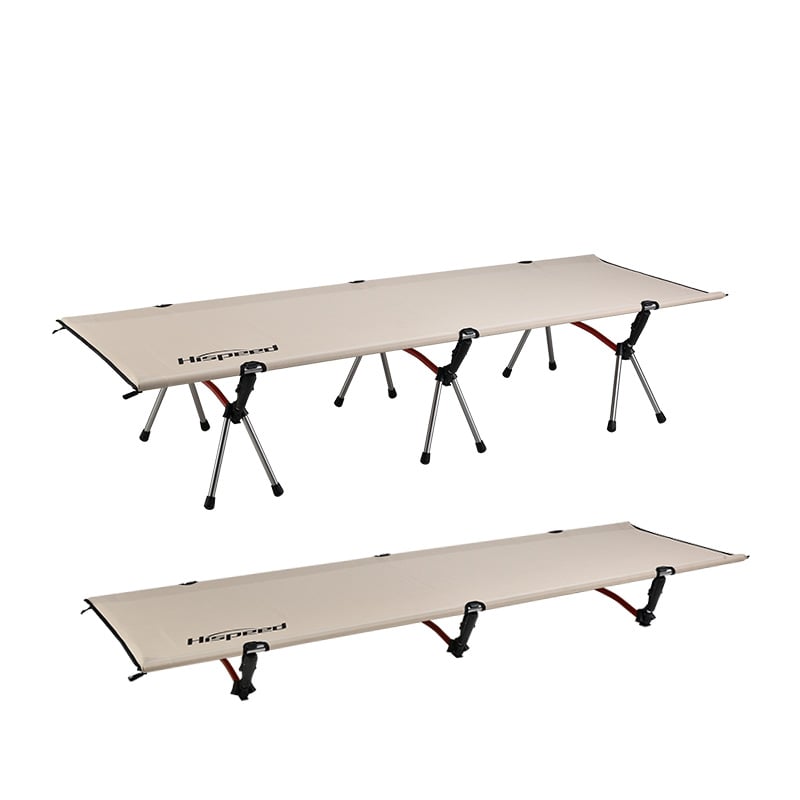
Determining when to replace worn outdoor equipment is a critical decision that affects both safety and long-term value. Many outdoor enthusiasts and professionals delay replacement decisions until failure becomes catastrophic, leading to dangerous situations in the field. Understanding the right timing for replacing worn outdoor equipment protects users from injury, enhances performance reliability, and ultimately saves money by preventing emergency purchases. The question of when to replace worn outdoor equipment requires assessing multiple factors: visible wear patterns, structural integrity, safety certifications, and operational performance.
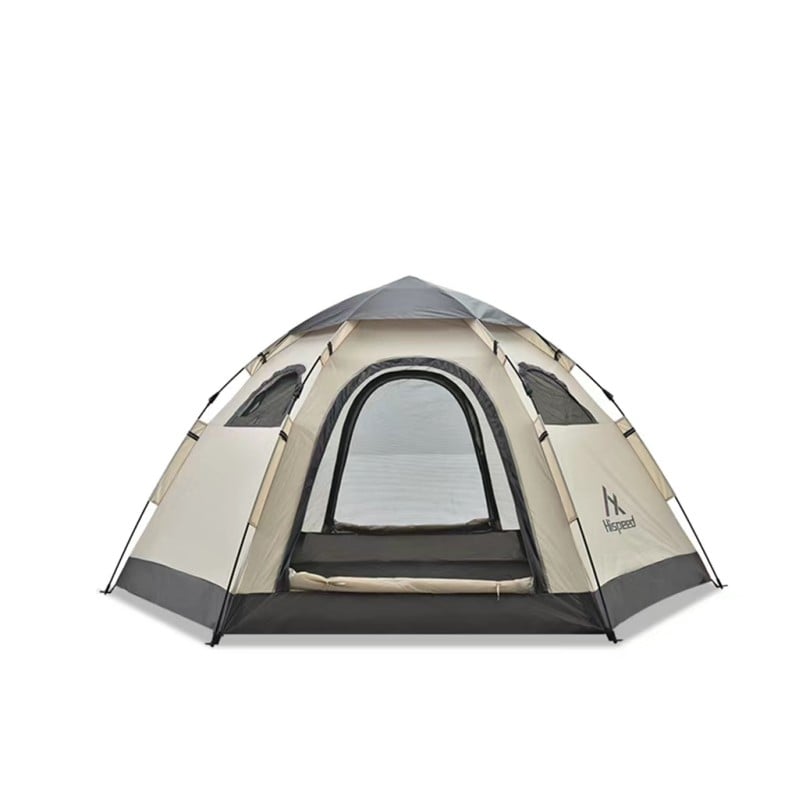
Worn outdoor equipment presents legitimate hazards that escalate over time. Tents develop leaks that compromise shelter effectiveness, sleeping systems lose insulation value, and structural components weaken under stress. Recognizing these warning signs allows users to make proactive decisions rather than reactive ones. This guide explores the essential criteria for evaluating worn outdoor equipment and understanding replacement timing across different gear categories.
Assessing Visible Wear Patterns and Material Degradation
Recognizing Material Failure Signs in Worn Outdoor Equipment
Worn outdoor equipment displays characteristic failure patterns that indicate replacement urgency. Fabric tears, seam separation, and coating degradation represent progressive damage requiring immediate attention. When evaluating worn outdoor equipment, inspect seams under magnification to identify thread breakdown and stress failures. UV exposure causes synthetic materials in worn outdoor equipment to become brittle, losing elasticity and tear resistance. Color fading alone does not necessarily indicate replacement need, but fading paired with stiffness suggests material integrity compromise.
Metal components in worn outdoor equipment require different assessment criteria. Corrosion, particularly on hinges and fasteners, weakens structural reliability. Aluminum frames showing white powder deposits indicate oxidation requiring immediate intervention before load-bearing capacity diminishes. Stress fractures around joints in worn outdoor equipment represent dangerous failure zones that grow under repeated load cycles. Rubber seals and gaskets in worn outdoor equipment become rigid and crack, losing waterproof functionality.
Timeline Expectations for Different Outdoor Equipment Categories
Replacement timelines vary significantly across worn outdoor equipment types. Tents and shelters typically require replacement after five to ten years of regular use, depending on storage conditions and maintenance frequency. Sleeping bags lose loft and insulation performance within five to eight years when subject to compression storage. Worn outdoor equipment like backpacks may function longer, often lasting eight to twelve years, though straps and zippers degrade faster than frame components. Cookware and smaller worn outdoor equipment items often outlast soft goods, particularly quality stainless steel and titanium options.
Safety Assessment and Performance Reliability Standards
Structural Integrity and Load-Bearing Capacity in Worn Outdoor Equipment
Safety represents the non-negotiable criterion when evaluating worn outdoor equipment for replacement. Tent poles with permanent bends or cracks lose ability to distribute loads evenly, creating collapse risk during storms. Worn outdoor equipment supporting body weight, including hammocks, suspension systems, and climbing gear, requires certification verification and stress testing before continued use. Webbing and straps in worn outdoor equipment experiencing fraying or tearing lose strength calculations designed into original engineering. Load-bearing capacity diminishes progressively in worn outdoor equipment, creating situations where safe weight limits drop below user requirements.
Testing worn outdoor equipment involves practical assessment beyond visual inspection. Inflate air-supported components in worn outdoor equipment to check for slow leaks indicating pinhole failures. Apply manual stress to joints and seams in worn outdoor equipment to detect flex points indicating imminent failure. For items like sleeping mats, press firmly and listen for air escape sounds signaling coating breakdown in worn outdoor equipment. These field-tested methods reveal damage that photographs cannot capture.
Waterproofing and Environmental Protection Functions
Waterproofing degradation in worn outdoor equipment represents a primary performance failure mode. Tent coatings break down progressively, allowing water to penetrate where seams and fabric meet. Worn outdoor equipment exhibiting water beading loss on surfaces suggests coating deterioration requiring urgent attention. Damp interior conditions, even in light rain, indicate waterproof failure in worn outdoor equipment. Mildew growth inside worn outdoor equipment signals moisture retention problems reducing insulation value and creating health hazards.
Environmental protection capacity directly correlates with user safety in worn outdoor equipment. Insulation loft loss in worn outdoor equipment sleeping systems means reduced cold-weather performance, creating hypothermia risks. Wind protection features fail in worn outdoor equipment when fabric loses structural integrity. UV protection diminishes in worn outdoor equipment, particularly important for shade structures and skin protection gear. These performance losses in worn outdoor equipment increase environmental vulnerability.
Cost-Benefit Analysis and Maintenance Versus Replacement Decisions
Repair Economics and Threshold Points for Worn Outdoor Equipment
Determining whether to repair or replace worn outdoor equipment requires honest cost assessment. Small tears in worn outdoor equipment totaling under three inches can justify patching using specialized repair kits. Seam sealing failures in worn outdoor equipment, affecting less than five percent of total seam length, often support targeted resealing rather than full replacement. However, worn outdoor equipment requiring multiple repairs simultaneously typically approaches replacement economics. When repair costs exceed thirty to forty percent of replacement cost for worn outdoor equipment, replacement becomes the prudent choice.
Component replacement within worn outdoor equipment systems extends equipment life strategically. Tent poles in worn outdoor equipment can sometimes be replaced separately while keeping the shelter body. Backpack suspension systems in worn outdoor equipment can be rebuilt or replaced without purchasing entire new packs. Zipper replacement on worn outdoor equipment extends functional life significantly. These targeted interventions preserve worn outdoor equipment value when primary structures remain sound.
Storage Conditions and Preventive Maintenance Impact on Worn Outdoor Equipment Longevity
Prevention strategies significantly impact when replacement becomes necessary for worn outdoor equipment. Proper storage conditions slow degradation in worn outdoor equipment substantially. Cool, dry, dark environments preserve material integrity in worn outdoor equipment better than humid, hot, UV-exposed conditions. Reducing storage duration for compression items in worn outdoor equipment prevents permanent loft loss. Moisture management practices during and after use dramatically extend replacement intervals for worn outdoor equipment.
Regular maintenance dramatically extends replacement timelines for worn outdoor equipment. Cleaning and drying protocols after use prevent mold growth and material breakdown in worn outdoor equipment. Applying protective treatments restores water-shedding properties in worn outdoor equipment. Inspecting for damage immediately after trips allows early repair of worn outdoor equipment before minor issues become structural failures. These practices transform worn outdoor equipment management from reactive replacement to strategic preservation.
Seasonal Considerations and Usage-Based Replacement Triggers
Seasonal use patterns influence replacement timing for worn outdoor equipment. Equipment used intensively during peak seasons deteriorates faster than occasional-use items. Worn outdoor equipment subject to freeze-thaw cycles experiences accelerated material degradation compared to temperate-climate use. Salt spray and coastal environments degrade worn outdoor equipment faster than inland conditions. High-altitude exposure stresses worn outdoor equipment through UV intensity and temperature extremes, shortening replacement intervals.
Performance requirements change seasonally, sometimes necessitating worn outdoor equipment replacement even when items remain technically functional. Summer-weight tents may prove inadequate for transitional seasons as wear accumulates. Winter-rated sleeping bags lose insulation properties gradually, requiring replacement before cold seasons expose inadequacy. Worn outdoor equipment may function during mild conditions but fail when environmental demands peak. Strategic replacement before seasonal transition prevents dangerous situations where worn outdoor equipment fails under peak-stress conditions.
FAQ
How can I tell if my outdoor equipment needs immediate replacement?
Immediate replacement indicators for outdoor equipment include large tears affecting structural areas, permanent bends in tent poles, persistent water leaks despite sealing attempts, significant loft loss in sleeping bags, and visible corrosion on safety-critical metal components. When outdoor equipment fails to provide basic protection from environmental elements or safety concerns arise about load-bearing capacity, replacement should not be delayed. Field-testing outdoor equipment by applying stress reveals imminent failure points requiring urgent attention before deploying in challenging conditions.
What maintenance can extend the replacement timeline for worn outdoor equipment?
Proper storage represents the most effective maintenance strategy for outdoor equipment. Store outdoor equipment in cool, dry, dark locations rather than outdoor sheds or attics. Clean and completely dry outdoor equipment after each use before storage. Avoid storing outdoor equipment under compression for extended periods, particularly sleeping systems. Apply protective treatments like water-repellent coatings annually for outdoor equipment exposed to heavy use. Regular inspections catch small damage early, allowing repairs to outdoor equipment before issues become catastrophic failures.
Can outdoor equipment be safely used beyond recommended replacement timelines?
Using outdoor equipment beyond recommended replacement timelines depends entirely on condition assessment rather than calendar age. Well-maintained outdoor equipment may function safely well beyond typical timelines, while poorly stored outdoor equipment may require early replacement. Never compromise on safety-critical items like climbing gear, suspension systems, or shelter components based on emotional attachment to outdoor equipment. For non-structural items like cookware and tools, outdoor equipment functionality determines replacement timing. Conduct thorough inspections of aging outdoor equipment before deploying in challenging conditions where reliability directly impacts user safety.