 EN
EN

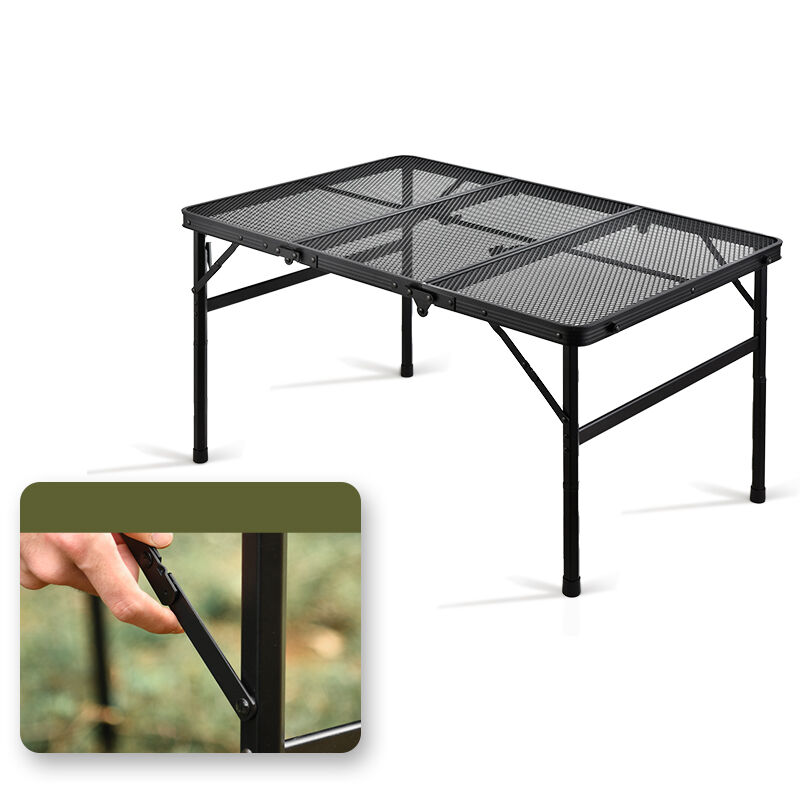
Every piece of outdoor gear has a functional lifespan, and your camping table is no exception. While some campers hold onto their tables for decades, others find themselves dealing with wobbly legs, cracked surfaces, and structural instability that compromises both safety and comfort. Knowing when to retire your old camping table and invest in a replacement isn't always straightforward, especially when sentimental value or budget constraints come into play. This comprehensive guide examines the critical signs, safety considerations, and practical factors that signal it's time to upgrade your camping table, helping you make an informed decision that enhances your outdoor experiences.
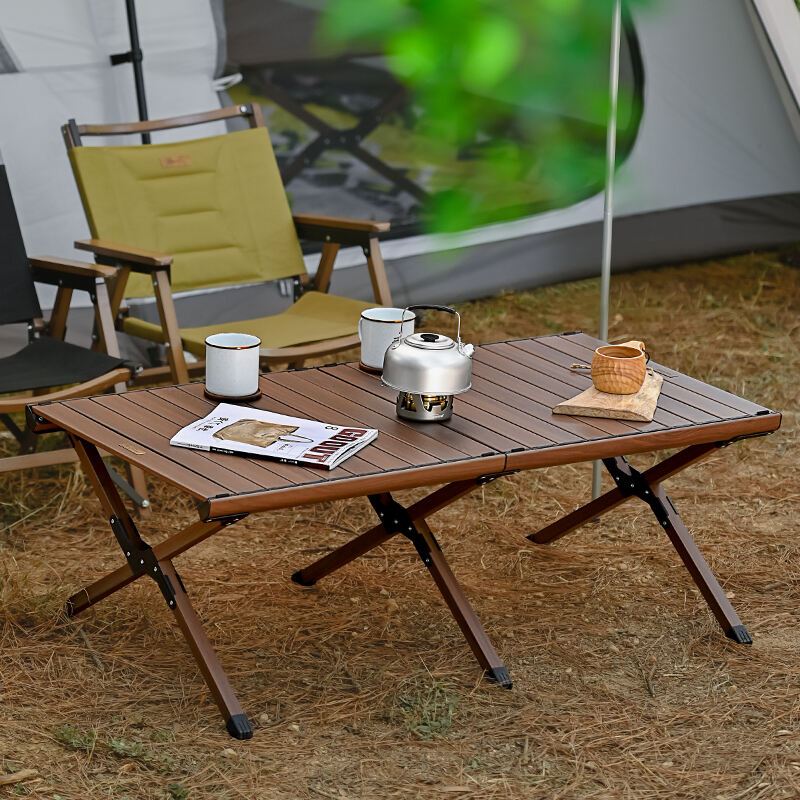
Understanding the right replacement timing protects your investment in outdoor recreation while ensuring your camping setup remains functional, safe, and enjoyable. A camping table serves as the central hub for meal preparation, dining, games, and gear organization during your trips, making its reliability essential to your overall camping experience. Whether you're a weekend warrior or a serious backcountry enthusiast, recognizing the indicators that your camping table has reached the end of its serviceable life prevents inconvenient failures in remote locations and helps you plan your equipment upgrades strategically. The decision involves evaluating structural integrity, functional performance, safety risks, and how well your current table meets your evolving camping needs.
Critical Structural Warning Signs
Frame Integrity and Stability Issues
The frame of your camping table represents its foundational support system, and any compromise to this structure signals an immediate need for replacement consideration. When you notice persistent wobbling that cannot be corrected by tightening joints or adjusting leg extensions, the frame has likely developed stress fractures or connection point failures. Aluminum and steel frames typically show deterioration through bent tubing, cracked welds, or corroded joints that weaken load-bearing capacity. If your camping table no longer sits level on flat ground or requires constant stabilization with rocks or wedges, the frame geometry has been permanently compromised.
Inspect the leg attachment points carefully, as these high-stress areas often fail first. Loose rivets, stripped screws, or elongated mounting holes indicate that the connection hardware can no longer maintain proper tension. When folding mechanisms become difficult to operate or fail to lock securely in the open position, the camping table poses a collapse risk during use. Testing stability by applying downward pressure at various points across the table surface reveals hidden weaknesses in the frame structure. Any flexing, creaking, or shifting under moderate load suggests the frame has exceeded its fatigue limit and replacement should be prioritized before a complete failure occurs during an important camping trip.
Surface Damage and Usability Degradation
The tabletop surface endures constant exposure to weather, spills, heat, and physical impacts that gradually reduce its functionality. Delamination of particle board or MDF cores in lower-quality camping tables creates spongy spots that collapse under pressure and harbor moisture-promoting mold growth. Cracks in plastic surfaces expand over time, creating sharp edges that can tear gear or injure hands, while also allowing water penetration that accelerates internal deterioration. When your camping table surface shows extensive scratching, staining, or discoloration that cannot be cleaned, it not only looks unsightly but may harbor bacteria that compromise food safety.
Warping represents a particularly problematic form of surface damage that fundamentally alters the camping table's usability. Heat exposure from camp stoves, prolonged sun exposure, or moisture absorption can cause wood-based surfaces to bow or twist, creating an uneven working area where items roll off or liquids pool in depressions. Aluminum surfaces may develop permanent dents from impacts that create unstable spots for cookware placement. If you find yourself constantly compensating for an uneven surface by repositioning items or using leveling materials, the camping table has lost its primary functional value. Chemical damage from fuel spills, cleaning agents, or acidic foods can also eat through protective coatings and compromise surface integrity beyond practical repair.
Hardware Failure and Component Wear
The various mechanical components and hardware elements of your camping table experience wear that eventually reaches a critical failure point. Hinges that once folded smoothly may develop excessive play, bind during operation, or break entirely, making setup and takedown frustrating or impossible. Locking mechanisms that secure the table in its open configuration are critical safety features, and when these become unreliable, the camping table presents a serious hazard. Leg adjustment systems using buttons, pins, or clamps wear out from repeated use, leading to legs that slip under load or refuse to extend to their proper height.
Fasteners including bolts, screws, and rivets work loose over time due to vibration during transport and thermal expansion cycles. While some hardware can be tightened or replaced, extensive loosening across multiple connection points indicates systemic structural fatigue. Protective caps and feet that cushion the camping table legs deteriorate from ground contact and UV exposure, eventually breaking off and leaving sharp metal edges that damage tent floors or scratch vehicle interiors. When you notice rust developing on hardware despite maintenance efforts, the corrosion process has likely compromised material strength beyond surface appearances. The cumulative effect of multiple hardware failures transforms a once-reliable camping table into a maintenance burden that detracts from your outdoor enjoyment.
Safety Considerations and Risk Assessment
Load Capacity Degradation Over Time
Every camping table has a specified weight capacity that decreases as materials fatigue and connections weaken through use cycles and environmental exposure. Even if your camping table appears superficially intact, its actual load-bearing capacity may have diminished significantly below its original specification. This hidden degradation poses serious risks when you place heavy cookware, water containers, or camping gear on the surface, as catastrophic failure can occur without warning. Testing your camping table's current capacity is difficult without risking damage, making age and visible wear important proxy indicators for strength reduction.
Manufacturing standards for camping tables vary widely, with budget models often featuring minimal safety margins that disappear quickly with regular use. If your camping table was initially rated for light duty but you've consistently loaded it near its maximum capacity, accumulated stress has likely reduced its safe working load. Family camping scenarios where children lean on or climb near the camping table create dynamic loads that exceed static weight ratings and accelerate structural failure. When you observe any sagging in the tabletop even without load applied, the support structure has permanently deformed and can no longer safely support its original capacity rating.
Instability Hazards in Outdoor Conditions
Outdoor environments present unique stability challenges that older camping tables increasingly fail to handle safely. Wind gusts can topple tables with worn leg locks or damaged frames, sending hot cookware, sharp utensils, or expensive electronics crashing to the ground. Uneven terrain that once presented minor leveling challenges becomes a significant hazard when your camping table no longer maintains rigid geometry. Ground conditions including soft soil, sand, or gravel expose weaknesses in leg design and foot construction that stable surfaces might hide.
Temperature variations cause materials to expand and contract, exacerbating existing cracks and loosening connection points in ways that compromise stability. A camping table that functions adequately in moderate conditions may become dangerously unstable during temperature extremes common in mountain or desert environments. The risk calculation changes significantly when your camping activities involve hot liquids, open flames, or sharp tools that could cause serious injury if the camping table collapses. Children and pets around camp create additional stability demands that aging tables increasingly cannot meet safely. When you find yourself hovering near the camping table during use, instinctively ready to steady it or catch falling items, your subconscious has already identified an unacceptable safety risk.
Material Degradation and Toxic Concerns
Extended UV exposure, moisture cycles, and chemical contact cause camping table materials to break down in ways that create health and safety concerns beyond structural failure. Plastic components become brittle and crack, releasing sharp fragments that can contaminate food preparation areas. Painted or coated surfaces deteriorate, potentially exposing bare metal that rusts or releasing coating particles into food contact areas. Lower-quality camping tables manufactured with formaldehyde-containing adhesives or problematic plastics may off-gas more aggressively as materials degrade, creating air quality concerns in enclosed camping shelters.
Mold and mildew growth in porous materials or trapped moisture areas presents both structural and health risks that worsen over time. Once fungal colonization establishes itself within a camping table's core materials, surface cleaning proves ineffective and spores continue releasing into your camping environment. Aluminum oxidation creates a chalky residue that transfers to hands, food, and gear, while potentially compromising the material's strength. When protective finishes fail, the underlying materials accelerate their degradation rate, creating a cascade of deterioration that makes continued use inadvisable. Any camping table showing extensive material breakdown should be replaced rather than repaired, as the degradation process has reached an irreversible stage.
Performance and Functional Obsolescence
Changing Camping Needs and Group Size Evolution
Your camping requirements naturally evolve over time, and a camping table that once served you well may no longer match your current needs. Growing families require larger surface areas to accommodate additional place settings, cooking equipment, and activity space that a compact camping table cannot provide. Conversely, aging campers or those transitioning to solo adventures may find their oversized camping table unnecessarily bulky and difficult to transport or setup alone. When you consistently find yourself wishing for more workspace or struggling with excess table capacity, the functional mismatch signals a replacement opportunity.
Activity focus changes also impact camping table requirements in significant ways. Transitioning from basic car camping to gourmet outdoor cooking demands a camping table with better heat resistance, integrated features, and stable surfaces for food preparation. Similarly, shifting to more remote backcountry camping makes a lightweight, compact camping table essential compared to the heavy, feature-rich models suitable for drive-up sites. When your camping table consistently feels wrong for your current adventures, either by being too limiting or unnecessarily elaborate, replacing it with purpose-matched equipment dramatically improves your outdoor experience. Recognizing this functional obsolescence before your camping table fails physically allows you to make a strategic replacement decision during off-season sales rather than emergency purchasing.
Modern Feature Integration and Efficiency Gains
Contemporary camping table designs incorporate innovations that significantly enhance convenience, durability, and versatility compared to older models. Integrated storage compartments, utensil holders, and adjustable heights represent functional improvements that transform camping table utility. Quick-deployment mechanisms reduce setup time from several minutes to mere seconds, which matters considerably during weather changes or late arrivals at camp. Weight reductions through advanced materials engineering make modern camping tables easier to transport without sacrificing strength or stability.
Modular designs allowing size adjustment, accessory attachment, or configuration changes provide flexibility that fixed-format camping tables cannot match. When you observe fellow campers enjoying features that make their outdoor meal preparation noticeably easier or more enjoyable, consider whether your aging camping table is holding you back from similar benefits. Weather-resistant materials and improved surface treatments extend usable lifespan and reduce maintenance requirements compared to older camping table construction methods. If your current camping table requires extensive preparation, protection, or post-trip cleaning that modern alternatives eliminate, the accumulated time and effort savings justify replacement even before structural failure occurs.
Transport and Storage Practicality Issues
An older camping table may have developed transport and storage problems that increasingly interfere with your camping logistics. Damaged folding mechanisms that prevent compact collapse force you to allocate excessive vehicle space or resort to awkward packing solutions. Broken latches or missing straps allow the camping table to unfold during transport, potentially damaging other gear or the vehicle interior. Weight gain from moisture absorption in porous materials makes an already heavy camping table even more burdensome to move between vehicle and campsite.
Storage challenges emerge when protective bags deteriorate, leaving your camping table exposed to garage humidity, pest damage, or accidental impacts between trips. If you find yourself leaving your camping table behind on trips specifically because dealing with its transport difficulties outweighs its utility, replacement with a more portable design becomes essential. Scratched surfaces and protruding hardware on older camping tables risk damaging vehicle upholstery, tent materials, or other camping gear during transport and setup. The cumulative frustration of wrestling with an unwieldy camping table before you even reach the campsite diminishes the overall enjoyment of outdoor recreation and signals that practical obsolescence has occurred regardless of the table's structural condition.
Economic Timing and Value Assessment
Repair Cost Versus Replacement Value Analysis
Determining whether to repair or replace your camping table requires honest assessment of repair feasibility, cost, and the restored functionality you can realistically expect. Simple issues like replacing a single broken leg or tightening loose hardware represent cost-effective repairs that extend useful life. However, multiple simultaneous problems including frame damage, surface deterioration, and hardware failures typically indicate systemic breakdown where repairs provide only temporary relief. When repair costs approach or exceed fifty percent of a comparable new camping table's price, replacement delivers better long-term value.
Consider also the availability of replacement parts for your specific camping table model, as discontinued products or proprietary components make repairs impractical regardless of cost. DIY repair attempts on camping tables with complex folding mechanisms or specialized materials often create additional damage that eliminates any cost savings. Professional repair services for camping equipment rarely exist outside specialty outdoor retailers, and labor costs quickly accumulate. Calculate the true replacement value by considering not just the purchase price but also the improved features, extended lifespan, and enhanced safety that new camping table designs provide. If you're investing significant time researching repairs, sourcing parts, and attempting fixes, that effort might be better directed toward selecting an upgraded replacement.
Strategic Purchase Timing and Budget Planning
Even when your camping table shows clear replacement signals, timing your purchase strategically maximizes value and ensures you're not caught without essential equipment during peak camping season. End-of-season clearance sales typically offer the deepest discounts on camping tables as retailers clear inventory for next year's models. Holiday promotional periods including Memorial Day, Independence Day, and Labor Day feature outdoor equipment sales where camping table prices drop significantly. Manufacturer direct sales and online retailer promotions can deliver savings of thirty to fifty percent compared to regular retail pricing.
Planning your camping table replacement during the off-season allows thorough research, comparison shopping, and deliberate decision-making rather than emergency purchasing when your current table fails at an inconvenient time. Budget allocation becomes easier when you anticipate the replacement need months in advance, perhaps setting aside funds from several paychecks rather than absorbing the full cost at once. Watch for new model releases that typically trigger price reductions on previous year's camping table designs, which often feature minimal differences for most users. If your current camping table remains marginally functional, extending its use until optimal purchasing opportunities arise can save substantial money that could fund other camping gear upgrades or additional trips.
Lifecycle Cost and Investment Perspective
Evaluating camping table replacement from a lifecycle cost perspective reveals that higher initial investment often delivers superior long-term value. A budget camping table that requires replacement every three to five years ultimately costs more than a premium model lasting fifteen years or longer. Calculate cost per use by dividing the purchase price by the number of camping trips you expect over the table's lifespan, revealing that even expensive camping tables become economical with regular use. Durability factors including material quality, construction methods, and warranty coverage directly impact lifecycle costs in ways that initial price alone doesn't capture.
Consider also the indirect costs associated with camping table failure, including ruined trips, replacement of damaged gear, potential medical expenses from injuries, and the intangible value of reliable equipment. Insurance against equipment failure comes built into higher-quality camping table purchases through robust construction and manufacturer support. Environmental considerations favor durable equipment that avoids premature disposal and the resource consumption associated with frequent replacements. When your current camping table has provided years of service but clearly approaches end-of-life, replacing it proactively with a quality successor represents wise investment rather than unnecessary expense. The peace of mind knowing your camping table will perform reliably across diverse conditions and extended timelines has real value that justifies thoughtful selection and appropriate budget allocation.
FAQ
How many years should a camping table typically last?
A quality camping table should provide reliable service for ten to fifteen years with proper maintenance and storage, though actual lifespan depends heavily on usage frequency, environmental exposure, and material quality. Budget models may only last three to five years under regular use, while premium camping tables constructed from high-grade aluminum or steel with quality surface materials can exceed twenty years. Heavy use patterns with frequent transport and setup accelerate wear regardless of initial quality. The key indicator is performance rather than age, as a well-maintained camping table showing no structural issues, functional problems, or safety concerns remains serviceable regardless of its years in use.
Can I safely use a camping table with minor wobbling?
Minor wobbling that can be corrected by tightening connections or adjusting leg extensions remains acceptable, but persistent instability that returns despite adjustments indicates structural problems requiring immediate attention. A camping table that wobbles under normal load poses safety risks including spills, collapses, and injuries that outweigh any benefit of continued use. Test stability by placing moderate weight at various points and observing whether the wobbling worsens or occurs inconsistently, which suggests frame damage or worn connection points. If the wobbling interferes with practical use or causes you concern about safety, replacing the camping table is the prudent choice. Never use a wobbly camping table for hot liquids, sharp tools, or in situations where collapse could cause serious harm.
What should I look for when inspecting my old camping table?
Conduct a systematic inspection examining frame integrity for cracks, bends, or corrosion, especially at welded joints and leg attachment points. Check the tabletop surface for delamination, cracks, warping, or soft spots indicating internal deterioration. Test all folding mechanisms, locks, and leg adjustments for smooth operation and secure engagement. Examine hardware including bolts, rivets, and fasteners for looseness, rust, or damage. Apply downward pressure at various points to assess stability and load-bearing capacity. Look for missing or damaged protective feet, deteriorated carrying straps, and compromised storage bags. Consider whether the camping table still meets your current needs in terms of size, weight, features, and ease of use. Any combination of structural damage, functional problems, or safety concerns discovered during inspection suggests replacement should be seriously considered.
Is it worth repairing an old camping table or should I buy new?
Repair makes sense only when addressing isolated, simple problems on an otherwise sound camping table, such as replacing a single damaged component or tightening loose hardware. When multiple issues exist simultaneously or when core structural elements show damage, replacement delivers better value and reliability. Calculate whether repair costs including parts, tools, and time investment exceed half the price of a comparable new camping table, which typically indicates replacement is the smarter financial decision. Consider also that modern camping table designs offer improved features, materials, and construction that repairs to old models cannot match. If your camping table has provided many years of service and now shows significant wear, viewing it as having completed its useful lifecycle and investing in upgraded replacement represents practical thinking rather than wasteful consumption.