 EN
EN

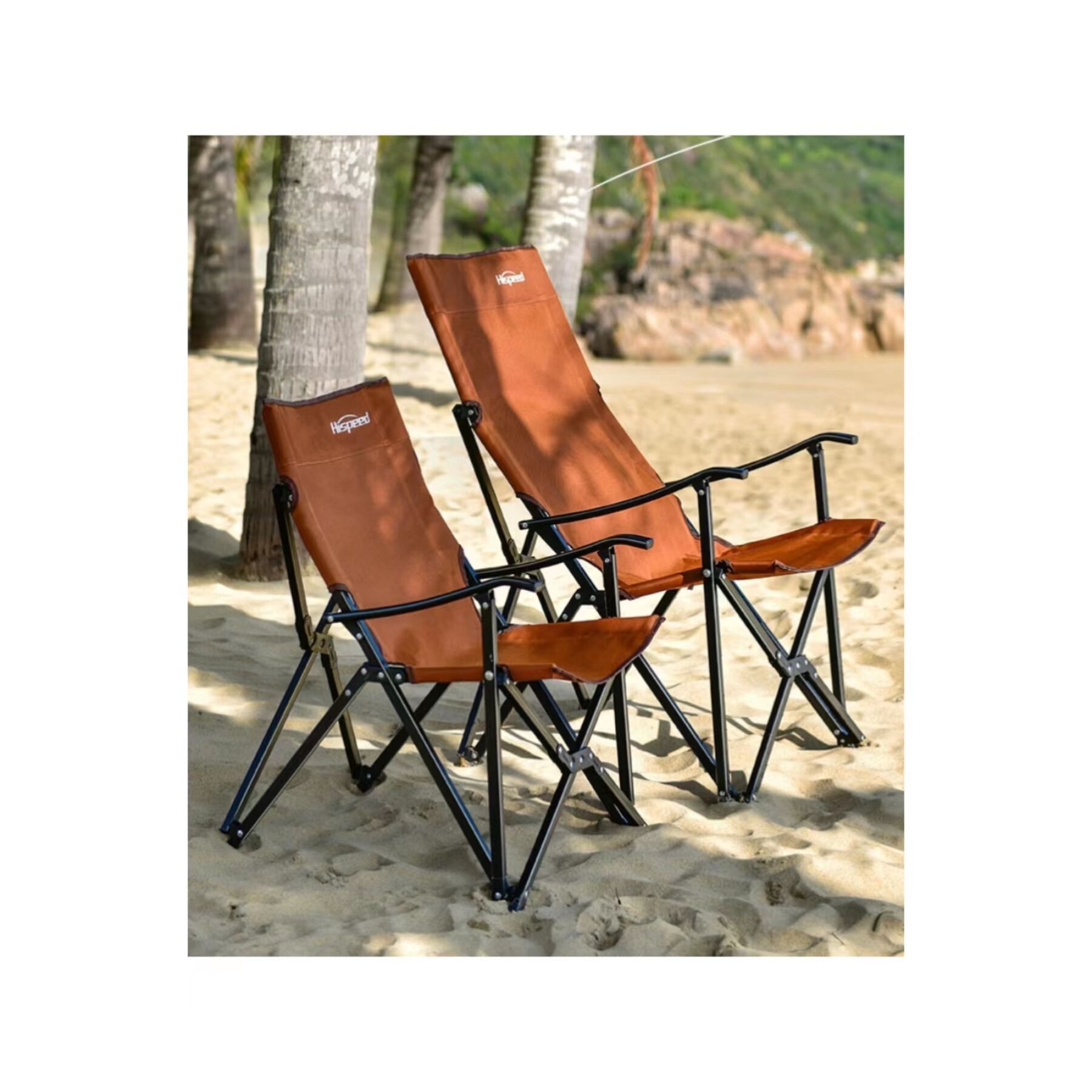
Understanding the right time to replace your old beach chair is essential for maintaining comfort, safety, and enjoyment during your coastal outings. Many beachgoers continue using deteriorating beach chairs long past their effective lifespan, risking both personal injury and diminished relaxation experiences. This comprehensive guide examines the critical indicators that signal when your beach chair has reached the end of its functional life, helping you make informed decisions about replacement timing that balance safety considerations with practical value.
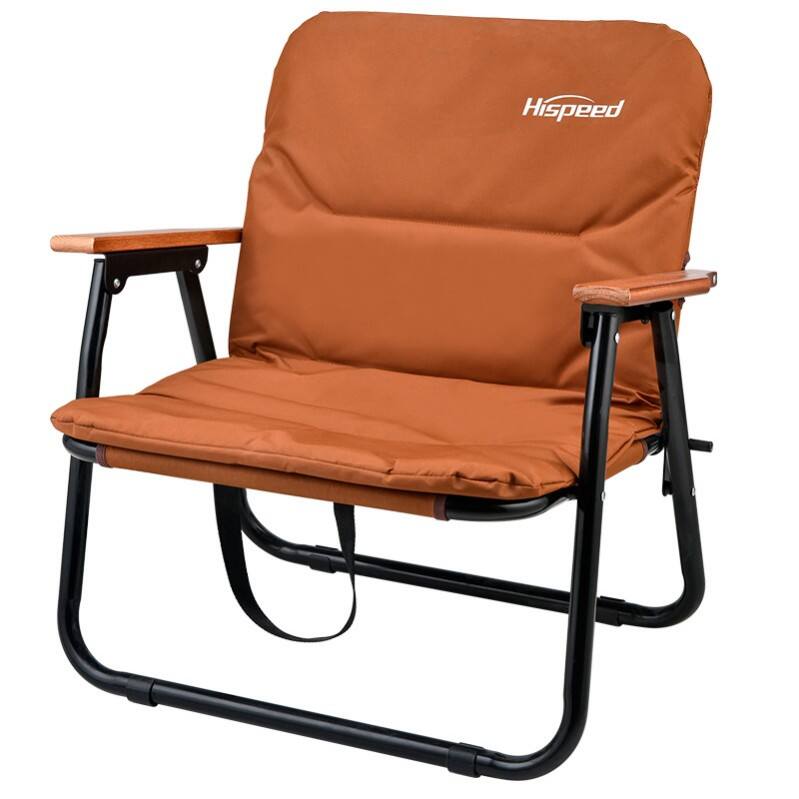
The decision to replace a beach chair involves evaluating multiple factors including structural integrity, material degradation, safety compliance, and functional performance. Unlike indoor furniture that experiences controlled environmental conditions, beach chairs endure harsh coastal elements including saltwater exposure, intense UV radiation, sand abrasion, and temperature extremes that accelerate wear patterns. Recognizing the specific warning signs that indicate replacement necessity protects you from unexpected failures while ensuring your beach experiences remain comfortable and worry-free throughout each season.
Physical Damage and Structural Compromise Indicators
Frame Integrity Assessment and Metal Fatigue
The structural frame represents the foundational support system of your beach chair, and any compromise to this critical component necessitates immediate replacement consideration. Aluminum and steel frames commonly used in beach chair construction experience metal fatigue over repeated folding cycles, with stress concentration points developing at joints, hinges, and weight-bearing intersections. When you notice visible bending, cracking, or deformation in frame members, your beach chair has reached a dangerous failure threshold that replacement alone can address safely.
Corrosion patterns provide another crucial indicator for beach chair replacement timing, particularly affecting metal components exposed to saltwater environments. Surface rust may appear cosmetic initially, but progressive oxidation weakens structural cross-sections and reduces load-bearing capacity significantly. If your beach chair exhibits rust penetration beyond superficial surface discoloration, with flaking metal or rough texture development, the corrosion has compromised structural integrity sufficiently to warrant replacement rather than attempted repair.
Joint connection stability determines overall beach chair reliability, as these articulation points experience the highest stress concentrations during use. Loose rivets, weakened welds, or separated connection points create dangerous instability that increases catastrophic failure risk. Testing your beach chair by applying lateral pressure to frame joints reveals excessive movement or play that signals replacement necessity, as these loosened connections cannot be adequately tightened without specialized equipment and metallurgical expertise.
Fabric Deterioration and Material Breakdown
Fabric condition directly impacts both comfort and safety performance of your beach chair, with material degradation following predictable patterns under UV exposure and mechanical stress. When fabric surfaces display visible thinning, color fading beyond normal weathering, or texture changes indicating polymer breakdown, the material has lost structural integrity that supports your body weight safely. Stretching or sagging fabric that no longer maintains tension across the frame structure suggests replacement timing has arrived, as this deformation creates unstable seating geometry.
Tears, holes, or separation along seam lines represent critical failure points requiring immediate beach chair replacement consideration. Even small punctures or frayed edges propagate rapidly under stress loading, with tear propagation accelerating once fabric integrity becomes compromised. If repair patches or temporary fixes have been applied previously, your beach chair likely approaches end-of-life status, as cumulative damage indicates advanced material fatigue throughout the fabric system.
Stitching integrity provides another essential evaluation criterion for beach chair replacement decisions, with thread degradation occurring from UV exposure and mechanical abrasion. When you observe loose threads, broken stitches, or seam separation at stress points, the fabric attachment system has degraded beyond reliable performance. This stitching failure typically indicates broader material degradation affecting the entire beach chair construction, suggesting replacement rather than isolated repair represents the appropriate solution.
Safety Performance Degradation Markers
Weight Capacity Reduction and Load-Bearing Decline
Original weight capacity ratings assume optimal structural condition, but progressive wear reduces actual load-bearing performance over time. If your beach chair exhibits creaking sounds, flexing movements, or settling sensations during normal use, these symptoms indicate structural weakening that compromises weight support capability. Replacement timing becomes critical when you notice these warning signs, as continued use beyond degraded capacity thresholds risks sudden collapse and potential injury.
Material fatigue accumulates invisibly within beach chair components, with microscopic crack propagation and bond degradation occurring before visible damage appears. If your beach chair has experienced heavy use over multiple seasons or exceeded manufacturer-specified usage frequency, replacement should be considered proactively even without obvious damage indicators. Professional outdoor equipment manufacturers typically recommend beach chair replacement after five to seven years of regular seasonal use, regardless of apparent condition, to maintain safety margins.
Testing procedures help evaluate current weight-bearing performance of aging beach chairs before critical failure occurs. Applying gradually increasing pressure while monitoring frame flex, fabric tension, and joint stability reveals degraded capacity that necessitates replacement. If your beach chair demonstrates increased deflection compared to new condition or shows reluctance to support weight previously managed easily, these performance changes signal that replacement timing has arrived to prevent safety incidents.
Stability Issues and Tipping Hazards
Lateral stability represents a critical safety parameter for beach chairs used on uneven sand surfaces, with base geometry and frame rigidity determining tipping resistance. When your beach chair feels less stable than during initial use, with increased rocking motion or reduced resistance to lateral forces, structural degradation has compromised safety performance. Replacement becomes necessary when stability degradation creates tipping risks, particularly for users with mobility limitations or when used in family environments with children.
Leg extension mechanisms on adjustable beach chairs experience wear that affects leveling capability and ground contact consistency. If locking mechanisms fail to engage securely or legs extend unevenly, creating rocking or wobbling conditions, your beach chair has reached replacement threshold. These mechanical failures rarely improve over time and typically worsen progressively, making timely replacement the only reliable solution for maintaining safe operation.
Ground contact point condition influences overall beach chair stability significantly, with foot caps or base pads preventing frame member damage and optimizing load distribution. When these protective elements become worn, missing, or damaged, direct frame contact with sand or hard surfaces accelerates structural degradation while reducing stability. If your beach chair exhibits these ground contact issues alongside other age-related symptoms, replacement timing should be prioritized to prevent accelerated deterioration and safety compromise.
Functional Performance Decline Patterns
Folding Mechanism Degradation
Portability represents a primary advantage of folding beach chair designs, with mechanism reliability determining practical usability. When folding operations become difficult, requiring excessive force or producing grinding sensations, internal wear has compromised mechanism function sufficiently to consider replacement. Beach chairs that no longer fold smoothly or fail to lock securely in both open and closed positions have reached functional obsolescence, as these failures eliminate convenience benefits while potentially creating pinch hazards during operation.
Hinge point lubrication deterioration contributes to folding mechanism degradation, with sand intrusion and corrosion creating friction that resists smooth operation. While temporary improvement through cleaning and lubrication may be possible, recurring stiffness or binding indicates wear patterns that will continue worsening. Replacement timing becomes optimal when mechanism restoration requires repeated maintenance interventions, as this frequency signals approaching end-of-life status for your beach chair.
Locking mechanism reliability ensures safe beach chair operation in both deployed and folded configurations, preventing unexpected collapse or opening during transport. If safety locks fail to engage positively or release unexpectedly during use, immediate replacement becomes necessary regardless of other condition factors. These critical safety features cannot be compromised without creating unacceptable risk, making mechanism failure an absolute replacement trigger for responsible beach chair ownership.
Comfort Feature Degradation
Ergonomic performance diminishes as beach chair materials lose their original shape memory and support characteristics. When seat surfaces no longer maintain proper body positioning or create pressure points during extended sitting, comfort degradation indicates replacement consideration timing. Beach chairs designed for relaxation should provide consistent support throughout their service life, with significant comfort decline signaling that material properties have degraded beyond acceptable performance levels.
Adjustable features including reclining mechanisms, armrest positioning, and headrest functionality experience wear that reduces adjustment range and position retention. If your beach chair no longer holds desired positions or adjustment mechanisms bind during operation, functional value has declined sufficiently to justify replacement. These convenience features represent significant purchase motivators, and their failure eliminates key differentiation factors that distinguished your beach chair from basic seating alternatives.
Accessory integration points for cup holders, storage pouches, and attachment systems degrade through repeated use and environmental exposure. When these secondary features detach, crack, or fail to retain items securely, overall beach chair utility decreases substantially. While accessory failure alone may not necessitate complete replacement, when combined with other age-related degradation indicators, compromised features contribute to the cumulative case for obtaining a new beach chair that restores full functionality.
Environmental Exposure and Lifespan Acceleration
UV Radiation Damage Accumulation
Ultraviolet radiation represents the primary environmental stressor affecting beach chair longevity, with polymer degradation occurring progressively throughout sun exposure. Fabric materials lose tensile strength as UV radiation breaks molecular bonds, creating brittleness that manifests as cracking, tearing, or sudden failure under load. If your beach chair has experienced extensive sun exposure over multiple seasons, particularly in high-UV coastal environments, replacement timing should account for accelerated aging even when visible damage appears minimal.
Color fading provides a visible indicator of UV damage accumulation, with pigment breakdown signaling concurrent structural degradation in fabric materials. When original colors have faded to pale approximations or exhibit uneven bleaching patterns, underlying material properties have degraded substantially. Beach chair replacement becomes advisable when color loss reaches advanced stages, as this visible degradation correlates strongly with reduced strength and durability characteristics throughout affected components.
Protective coatings on metal frame components degrade under UV exposure, with paint or powder coating breakdown exposing underlying materials to corrosion. If your beach chair displays coating failure with peeling, chalking, or widespread bare metal exposure, replacement timing approaches as protective systems have failed their intended function. Continued use after coating degradation accelerates structural deterioration, making proactive replacement more cost-effective than delayed action after corrosion damage occurs.
Saltwater Corrosion and Chemical Degradation
Coastal environments subject beach chairs to aggressive corrosive conditions that accelerate material breakdown beyond normal atmospheric exposure. Salt spray deposits create persistent moisture retention and electrochemical corrosion that attacks metal components relentlessly. When your beach chair exhibits widespread corrosion affecting multiple frame locations, replacement represents the only practical solution, as corrosion remediation requires specialized treatment beyond typical consumer capabilities.
Fabric materials experience chemical degradation from saltwater contact, with salt crystals remaining within fiber structures after drying. These residual deposits attract atmospheric moisture and promote localized degradation that weakens fabric strength progressively. If your beach chair has experienced regular saltwater exposure without thorough rinsing, accelerated aging occurs throughout soft goods components. Replacement timing should account for this expedited degradation, with service life expectations reduced compared to freshwater or terrestrial use environments.
Sunscreen and body oil contamination creates additional chemical stressors affecting beach chair materials, with these substances promoting polymer breakdown and fabric staining. When fabric surfaces display permanent discoloration, texture changes, or degraded water resistance from chemical accumulation, material properties have been altered sufficiently to impact performance. Combined with other environmental exposure effects, chemical contamination contributes to cumulative degradation that signals appropriate replacement timing for maintaining optimal beach chair functionality.
Usage Frequency and Maintenance History Considerations
Cumulative Use Cycle Assessment
Folding cycles represent primary wear mechanisms for beach chair structures, with each deployment and storage sequence contributing to joint wear and material fatigue. Professional equipment manufacturers design beach chairs for specific use cycle tolerances, typically ranging from 200 to 500 complete folding operations depending on construction quality. If your beach chair has exceeded these design thresholds through frequent seasonal use over multiple years, replacement timing approaches regardless of apparent condition, as cumulative fatigue damage accumulates invisibly within structural components.
Loading duration affects material stress accumulation, with extended sitting sessions creating sustained tension that accelerates fabric stretching and frame flexure. Beach chairs used for all-day beach sessions experience greater cumulative stress compared to brief sitting periods, warranting earlier replacement consideration. When evaluating beach chair condition, account for typical usage patterns and duration, as high-intensity use schedules justify proactive replacement before obvious failure symptoms appear.
User weight relative to rated capacity influences degradation rates significantly, with consistent loading near maximum specifications accelerating wear progression. If your beach chair has regularly supported weights approaching rated limits, service life expectations should be reduced accordingly. Replacement timing becomes appropriate when heavy-use history combines with age-related degradation indicators, as this combination creates elevated failure risk that justifies preventive action.
Maintenance Quality and Preservation Efforts
Proper maintenance extends beach chair service life substantially, with regular cleaning, lubrication, and protected storage slowing degradation processes. If your beach chair has received minimal maintenance throughout its service history, accelerated aging should be expected compared to well-maintained examples. When evaluating replacement timing, honest assessment of maintenance history helps establish realistic remaining service life expectations, with neglected beach chairs requiring earlier replacement than properly cared-for alternatives.
Storage conditions between usage periods dramatically affect material preservation, with controlled indoor storage preventing continuous environmental exposure. Beach chairs stored outdoors year-round experience vastly accelerated degradation from constant UV radiation, moisture cycling, and temperature extremes. If your beach chair has endured harsh storage conditions, replacement timing should account for this accelerated aging, with outdoor-stored examples requiring replacement potentially years earlier than protected alternatives of equivalent age.
Repair history provides valuable insight into overall beach chair condition and remaining service potential. Multiple previous repairs or recurring failure patterns indicate systemic degradation affecting the entire structure rather than isolated component issues. When your beach chair requires frequent maintenance interventions or exhibits progressive deterioration despite repair attempts, replacement represents the appropriate solution for restoring reliable performance and eliminating ongoing maintenance burdens.
FAQ
How long should a quality beach chair typically last with regular use?
A well-constructed beach chair maintained properly typically provides five to seven years of reliable service with regular seasonal use. This lifespan assumes appropriate storage between seasons, routine cleaning after saltwater exposure, and usage within rated weight capacity limits. Premium beach chairs manufactured with marine-grade materials and reinforced construction may extend service life to eight or ten years, while budget models may require replacement after three to four seasons. Your specific beach chair longevity depends on usage frequency, environmental exposure intensity, maintenance quality, and storage conditions throughout its service life.
Can I safely continue using a beach chair with minor fabric tears or small rust spots?
Minor damage requires careful evaluation to determine whether continued use remains safe or replacement becomes necessary. Small fabric tears away from high-stress seam areas may be temporarily acceptable if properly repaired with appropriate patch materials, though tear propagation should be monitored closely. Surface rust on non-structural components may not immediately compromise safety, but progressive corrosion affecting load-bearing frame members necessitates replacement. When damage appears at critical stress points including seat fabric attachment areas, frame joints, or folding mechanisms, replacement should be prioritized over continued use regardless of damage severity, as these locations determine overall structural integrity.
What specific signs indicate my beach chair has become unsafe and requires immediate replacement?
Several critical indicators demand immediate beach chair replacement to prevent injury risk. Frame cracks, severe bending, or separated welds represent structural failures requiring immediate discontinuation. Fabric tears exceeding two inches at seam locations or load-bearing areas create catastrophic failure potential. Locking mechanism failures that prevent secure position retention eliminate safe operation capability. Widespread corrosion affecting multiple frame locations indicates compromised structural integrity throughout the beach chair. Excessive wobbling, instability, or tipping tendency during normal use signals dangerous degradation. Any sudden changes in performance including unexpected sounds, movements, or resistance during operation warrant immediate inspection and likely replacement before additional use.
Does storing my beach chair properly really extend its replacement timeline significantly?
Proper storage provides substantial service life extension by protecting beach chair materials from continuous environmental degradation. Indoor storage in climate-controlled spaces eliminates year-round UV exposure, moisture cycling, and temperature extremes that accelerate material breakdown. Beach chairs stored properly between seasons typically last 40-60% longer than examples left exposed to outdoor conditions continuously. Cleaning before storage removes salt deposits and contaminants that promote corrosion and fabric degradation during storage periods. Storing beach chairs in relaxed folded positions reduces sustained stress on mechanical components and fabric materials. While quality storage practices significantly extend replacement timelines, they cannot indefinitely prevent eventual degradation from cumulative use cycles and inherent material aging, making eventual replacement inevitable regardless of storage quality.
Table of Contents
- Physical Damage and Structural Compromise Indicators
- Safety Performance Degradation Markers
- Functional Performance Decline Patterns
- Environmental Exposure and Lifespan Acceleration
- Usage Frequency and Maintenance History Considerations
-
FAQ
- How long should a quality beach chair typically last with regular use?
- Can I safely continue using a beach chair with minor fabric tears or small rust spots?
- What specific signs indicate my beach chair has become unsafe and requires immediate replacement?
- Does storing my beach chair properly really extend its replacement timeline significantly?