 EN
EN

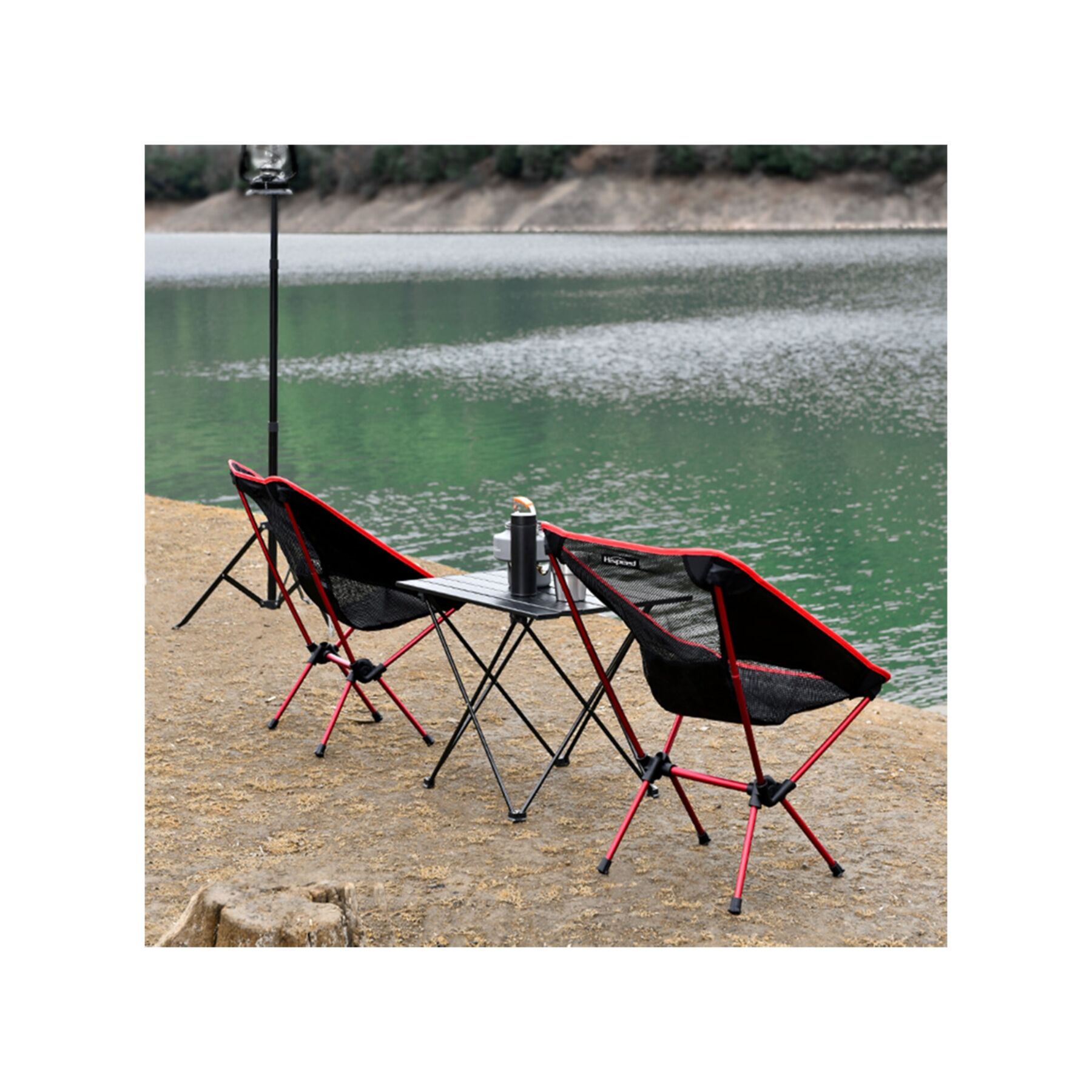
Selecting the appropriate beach chair size is a decision that directly impacts your comfort, portability, and overall beach experience. While many beachgoers focus solely on aesthetics or price, understanding the dimensional aspects of a beach chair ensures that your investment delivers long-term satisfaction. The right beach chair size accommodates your body type, meets your functional requirements, and fits seamlessly into your transportation and storage constraints. Whether you're planning a solo sunset retreat or a family beach day, knowing how to evaluate beach chair dimensions transforms a simple purchase into a strategic decision that enhances every coastal visit.
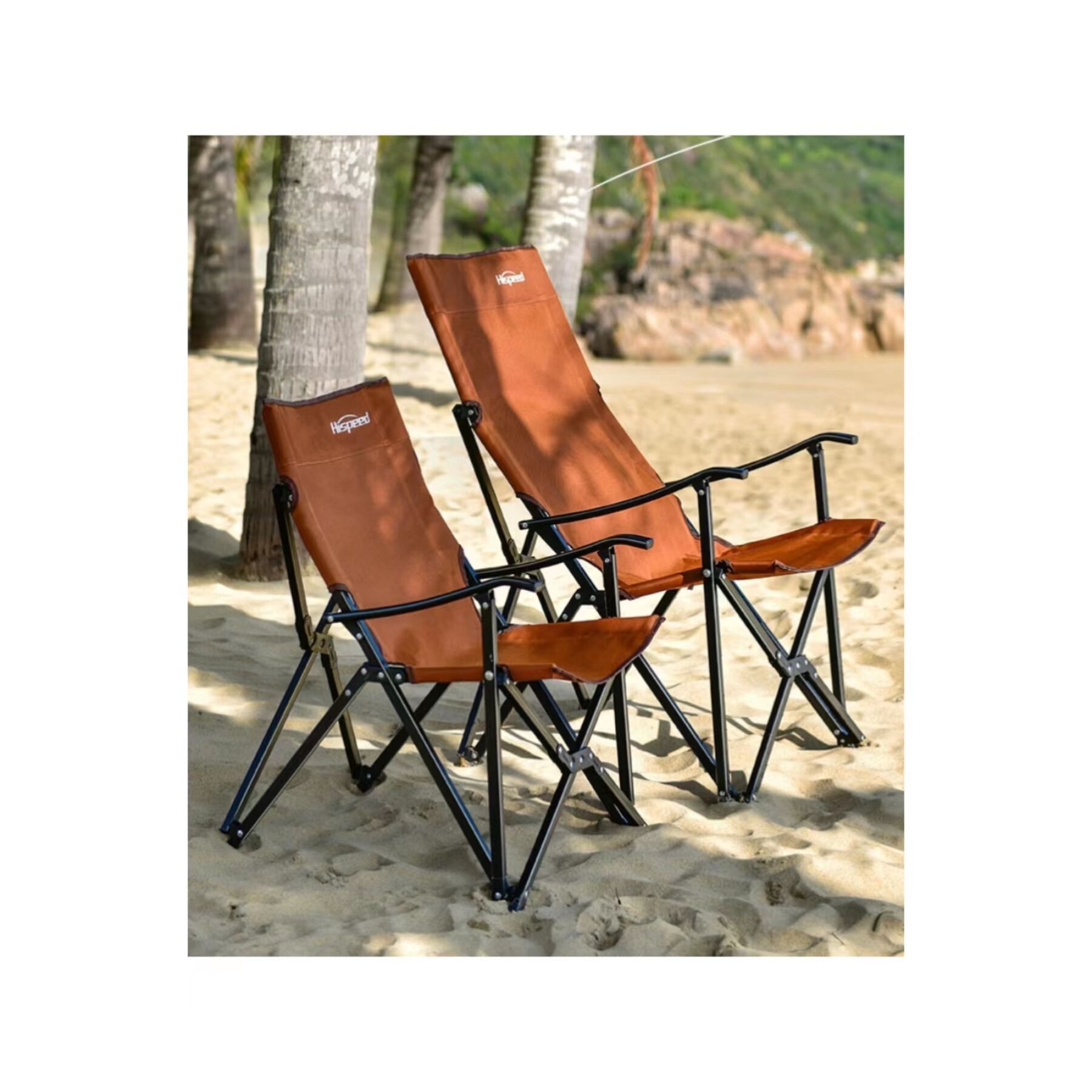
The process of choosing the right beach chair size involves analyzing multiple factors that intersect with your personal needs and usage patterns. From seat width and height to weight capacity and folded dimensions, each measurement plays a critical role in determining whether a beach chair will serve you well across different beach environments. This comprehensive guide walks you through the systematic evaluation process, helping you understand which size specifications matter most for your unique circumstances and how to balance competing priorities when making your selection.
Understanding Beach Chair Size Categories and Their Purpose
Standard Adult Beach Chair Dimensions
Standard adult beach chairs typically feature seat widths ranging from 18 to 22 inches, providing adequate space for average-sized adults to sit comfortably for extended periods. The seat depth usually measures between 16 and 20 inches, allowing your legs to rest naturally without cutting off circulation behind the knees. When evaluating a beach chair for general adult use, these baseline dimensions serve as reference points, though individual comfort preferences may require adjustments. The backrest height on standard models generally extends 20 to 28 inches above the seat, offering varying levels of upper body support depending on whether you prefer an upright sitting position or a more reclined posture.
Seat height from the ground represents another critical dimension in standard beach chair design, typically ranging from 8 to 14 inches. Lower seat positions facilitate easier entry and exit while providing better stability on uneven sand surfaces, though they may prove challenging for individuals with limited mobility or joint concerns. Higher seat positions offer easier transitions from sitting to standing but may feel less stable in soft sand conditions. The overall width of a standard beach chair when unfolded usually spans 22 to 26 inches, accounting for armrests and frame structure, which influences how much personal space each chair occupies in crowded beach settings.
Compact and Low-Profile Beach Chair Options
Compact beach chairs prioritize portability and storage efficiency, featuring reduced dimensions that make them ideal for backpacking, cycling to the beach, or situations where transportation space is limited. These models typically offer seat widths of 16 to 19 inches and sit lower to the ground, with seat heights ranging from 6 to 10 inches. The minimalist design philosophy behind compact beach chairs focuses on reducing weight and folded dimensions while maintaining adequate functional support. When choosing a compact beach chair, consider whether the space savings justify potential comfort compromises, particularly if you plan to sit for multiple hours during each beach visit.
Low-profile beach chairs sit close to the sand surface, providing enhanced stability and a relaxed lounging experience that appeals to beachgoers who prefer a more casual seating arrangement. These chairs typically position the seat just 4 to 8 inches above the sand, creating an intimate connection with the beach environment while offering excellent wind resistance in breezy conditions. The trade-off involves increased difficulty when standing up, as the low position requires more leg strength and flexibility. Evaluating your physical capabilities honestly helps determine whether a low-profile beach chair aligns with your needs, particularly if you have knee, hip, or back concerns that could make transitions more challenging.
Oversized and Heavy-Duty Beach Chair Specifications
Oversized beach chairs cater to larger body types or individuals who simply prefer more spacious seating, with seat widths extending from 23 to 30 inches or more. These generous dimensions provide extra room for movement, accommodate bulkier beach clothing or towels, and offer enhanced comfort for extended sitting sessions. The increased frame size typically correlates with higher weight capacities, often supporting 300 to 400 pounds or more, making these chairs suitable for a broader range of users. When selecting an oversized beach chair, verify that the expanded dimensions won't create transportation or storage challenges that outweigh the comfort benefits.
Heavy-duty beach chairs incorporate reinforced frame materials and thicker fabric to support the increased stress that larger dimensions create. The structural enhancements ensure stability and longevity even under maximum weight loads, though they inevitably add to the overall weight of the chair itself. An oversized beach chair may weigh 12 to 20 pounds compared to 6 to 10 pounds for standard models, significantly impacting portability considerations. Balancing comfort requirements against transportation realities requires honest assessment of your typical beach access scenarios, including parking proximity, sand walking distances, and whether you'll have assistance carrying equipment from vehicle to final beach location.
Body Measurements and Personal Comfort Factors
Matching Seat Width to Your Body Type
Determining the appropriate seat width for your beach chair begins with measuring your hip width while sitting, then adding 2 to 4 inches for comfortable clearance and freedom of movement. This additional space prevents the chair arms from pressing against your sides and accommodates the natural settling that occurs in fabric seats under body weight. For individuals with broader builds, prioritizing seat width over other features ensures fundamental comfort that cannot be compromised through adjustments or positioning. Testing a beach chair before purchase, when possible, provides valuable feedback about whether the seat width truly accommodates your body comfortably or creates pressure points that will become problematic during extended use.
Seasonal considerations also influence optimal seat width selection, as summer beach attire differs significantly from spring or fall clothing that may include light jackets or additional layers. A beach chair that feels perfectly sized with minimal clothing may become restrictive when you're wearing a cover-up or have a towel wrapped around you. Planning for your most common usage scenarios helps identify whether you need a slightly wider seat to accommodate these variations or whether a standard width suffices for your typical beach wardrobe. Remember that fabric beach chair seats tend to conform to body shape over time, potentially reducing effective width as the material stretches and sags with repeated use.
Evaluating Seat Height Based on Mobility Needs
Seat height selection significantly impacts ease of use, particularly for individuals with mobility limitations, joint issues, or age-related flexibility changes. Higher seat positions, typically 12 to 14 inches from the ground, facilitate standing transitions by reducing the distance your body must travel and the leg strength required. This elevation proves especially valuable for seniors, pregnant women, or anyone recovering from lower body injuries who may struggle with low seating positions. However, higher seats also create a higher center of gravity that may feel less stable on soft sand surfaces, requiring wider base designs to maintain adequate stability.
Lower seat heights offer distinct advantages for stability and comfort during extended lounging, as they create a more relaxed body angle and feel more secure on uneven beach terrain. The closer-to-ground position also works well for activities like reading, napping, or watching children play nearby, as it creates a less formal seating experience. Assessing your primary beach activities helps determine which seat height range best serves your needs—active beachgoers who frequently get up and down may prefer moderate heights around 10 to 12 inches, while dedicated sunbathers might prioritize the stability of lower positions. Your personal flexibility and leg strength ultimately define the practical boundaries of seat height selection.
Backrest Height and Reclining Angle Preferences
Backrest height determines how much upper body support your beach chair provides, with taller backrests offering head and neck support that shorter designs cannot deliver. Full-height backrests extending 28 to 34 inches above the seat accommodate a wider range of body heights and support positions, allowing you to recline comfortably while maintaining proper spinal alignment. Shorter backrests, typically 20 to 24 inches high, provide adequate lower and mid-back support but leave your neck and head unsupported, which may become uncomfortable during long beach sessions unless you bring additional pillows or cushions.
The reclining angle capability of your beach chair interacts directly with backrest height to define your comfort range. Multiple position adjustments, typically offering 3 to 5 angle settings, allow you to customize your seating position for different activities like reading, conversing, or napping. Chairs with lay-flat or near-horizontal positions require longer overall dimensions when fully reclined, potentially 60 to 70 inches from footrest to headrest, which impacts where you can position the chair on crowded beaches. Evaluating how you actually spend time at the beach reveals whether sophisticated reclining mechanisms justify their added complexity and weight, or whether a simple fixed-angle design meets your needs more practically.
Transportation and Storage Dimension Considerations
Folded Size and Vehicle Compatibility
The folded dimensions of a beach chair often matter as much as its unfolded size, particularly when trunk space is limited or you're transporting multiple chairs for family beach outings. Standard beach chairs typically fold to dimensions ranging from 32 to 38 inches in length, 6 to 8 inches in width, and 6 to 10 inches in depth. These compact packages fit easily in most vehicle trunks alongside other beach gear, though variations in folding mechanism efficiency create significant differences between models. Measuring your available storage space before purchasing ensures that your chosen beach chair actually fits within your transportation constraints rather than discovering size incompatibility after purchase.
Some beach chair designs incorporate innovative folding systems that achieve remarkably compact dimensions by telescoping frame sections or using multiple fold points. These ultra-compact models may fold to just 24 to 30 inches in length, making them ideal for smaller vehicles, public transportation use, or storage in apartment closets where space comes at a premium. The engineering complexity required for extreme compactness sometimes introduces durability concerns or makes the setup and breakdown process more time-consuming, so weighing convenience against longevity helps determine whether maximum compactness serves your priorities. Testing the folding and unfolding process before purchase reveals whether the mechanism operates smoothly or presents frustration that will diminish your beach enjoyment over time.
Carrying Weight and Portability Features
The total weight of your beach chair directly impacts your willingness to carry it across long stretches of sand, with lighter models weighing 5 to 8 pounds proving significantly easier to transport than heavier alternatives that reach 12 to 18 pounds. Aluminum frame beach chairs typically offer better weight-to-strength ratios than steel frame models, though premium materials like titanium or carbon fiber can reduce weight even further at correspondingly higher price points. Honestly assessing your typical beach access scenario helps determine how much weight you can comfortably manage—a quarter-mile walk across soft sand with a 15-pound chair feels dramatically different from a 50-foot stroll from nearby parking.
Integrated carrying features like shoulder straps, backpack-style harness systems, or ergonomic handle designs significantly improve portability even when absolute weight remains unchanged. A well-designed carrying strap distributes weight across your shoulder rather than concentrating stress in your hand and wrist, enabling you to transport heavier beach chairs more comfortably over longer distances. Some beach chair models include additional storage pockets or pouches that consolidate your beach gear, eliminating the need for separate bags and reducing the number of items you must juggle while walking. Evaluating portability as a system rather than focusing solely on weight specifications provides a more accurate picture of real-world transportation convenience.
Home Storage Space Requirements
Long-term storage considerations extend beyond simple folded dimensions to include how easily your beach chair fits within typical home storage areas like garage corners, closet shelves, or under-bed spaces. Beach chairs with rectangular folded profiles typically nest together more efficiently when storing multiple units, while rounded or irregular shapes waste space and make stacking difficult. If you live in an apartment or have limited storage capacity, prioritizing beach chairs that achieve minimal folded dimensions and regular shapes facilitates better organization and protects your chairs from damage caused by awkward storage positions or compression from other items.
Seasonal storage adds another dimension to space planning, as beach chairs may remain unused for six to nine months in regions with distinct beach seasons. Protecting your beach chair investment during off-season storage requires adequate ventilation to prevent mildew, protection from moisture that could corrode metal frames, and positioning that avoids permanent creases or stress points in fabric components. Some beach chair designs include storage bags that protect against dust and minor impacts while creating more uniform packages that stack efficiently. Considering the full ownership cycle, including acquisition, use, and storage, produces better purchasing decisions than focusing exclusively on beach-day performance characteristics.
Usage Scenarios and Activity-Specific Size Optimization
Beach Chair Sizing for Active Beach Days
Active beach days involving frequent transitions between swimming, walking, and sitting favor beach chair designs with moderate dimensions that balance comfort during rest periods against easy portability between locations. A lightweight beach chair weighing 6 to 9 pounds with quick-setup mechanisms enables you to relocate easily as sun angles change, crowds shift, or you follow children around the beach. The seat height sweet spot for active use typically falls around 10 to 12 inches, providing enough elevation for easy standing while maintaining good stability on sand surfaces. Oversized beach chairs, despite their comfort advantages, prove cumbersome for dynamic beach activities that require multiple repositioning throughout the day.
Durability considerations become particularly important for active beach scenarios where your chair may be set up and broken down multiple times per visit, potentially on different sand conditions ranging from hard-packed near the water to soft and dry farther inland. Beach chairs with fewer moving parts and simpler mechanisms generally withstand repeated setup cycles better than complex designs with multiple adjustment points that can accumulate sand and wear out faster. Selecting a beach chair sized appropriately for active use means accepting some comfort compromises in exchange for enhanced versatility and reduced setup burden, recognizing that you'll spend less total time seated than beachgoers pursuing more stationary activities.
Optimal Dimensions for Extended Relaxation Sessions
Beach visits focused on extended relaxation, reading, or sunbathing benefit from larger beach chair dimensions that prioritize comfort over portability, as you'll likely set up once and remain in place for hours. Wider seats between 22 and 26 inches accommodate shifting positions without feeling constrained, while full-height backrests with multiple reclining positions support various activities from upright reading to fully reclined napping. The additional weight and bulk of comfort-oriented beach chairs become less significant when you're making a single trip from parking to your chosen spot and won't need to relocate frequently throughout the day.
Footrest integration and overall length become important considerations for extended relaxation, as proper leg support prevents circulation issues and reduces fatigue during multi-hour beach sessions. Beach chairs with attached or flip-up footrests extend total length by 12 to 18 inches but provide significant comfort improvements that justify the increased size for dedicated relaxation activities. Pillow attachments, cup holders, and side storage pockets further enhance the stationary beach experience, though each addition incrementally increases overall dimensions and weight. Matching beach chair size to your actual usage patterns prevents over-optimizing for portability when comfort should take priority, or vice versa when you've selected an unwieldy chair for activities requiring mobility.
Family Beach Outings and Multi-Chair Planning
Planning beach chair sizes for family outings requires coordinating dimensions across multiple chairs while maintaining manageable total volume and weight. Mixing chair sizes to match individual family member needs—smaller, lighter beach chairs for children, standard sizes for most adults, and potentially oversized options for larger family members—optimizes collective comfort without creating unnecessary transportation burden. Calculating total folded volume and combined weight reveals whether your vehicle can realistically accommodate all required beach chairs plus other essential gear like coolers, umbrellas, and toys, or whether dimensional compromises become necessary.
Standardizing beach chair models across family members offers advantages for maintenance, replacement part availability, and operational familiarity, though this approach may sacrifice individual fit optimization. Some families prefer selecting beach chairs from the same manufacturer series, which often share folding mechanisms and carrying systems while offering size variations that accommodate different body types. Storage space at your beach destination, whether a rented beach house, resort balcony, or vehicle staging area, influences whether you can manage multiple full-sized beach chairs or whether compact models that nest efficiently become necessary. Coordinating beach chair dimensions within broader family beach logistics produces better overall solutions than optimizing individual chairs in isolation.
Material, Construction, and Size Interaction Effects
How Frame Material Influences Size Possibilities
The frame material selection for your beach chair fundamentally constrains possible size and weight combinations, as different materials offer distinct strength-to-weight ratios that determine structural feasibility. Aluminum frames provide excellent corrosion resistance and moderate weight, supporting beach chair designs across the full size spectrum from ultra-compact to oversized without requiring excessively heavy construction. Steel frames offer superior strength and durability at lower price points but add significant weight, making larger beach chairs with steel frames potentially too heavy for comfortable portability. Understanding these material trade-offs helps explain why similarly sized beach chairs can have vastly different weights and why premium materials command higher prices.
Advanced materials like carbon fiber or titanium alloy enable larger beach chair dimensions without proportional weight increases, though these options typically command premium prices that may exceed budget constraints. The engineering sophistication required to maintain structural integrity as beach chair dimensions increase explains why simply scaling up a successful compact design rarely produces satisfactory oversized versions. Tube diameter, wall thickness, and joint reinforcement must all adapt to larger dimensions, affecting both weight and cost. Recognizing that frame material directly influences the practical size range available at different price points helps set realistic expectations when shopping for beach chairs that meet specific dimensional requirements.
Fabric Selection and Size-Related Performance
Fabric characteristics interact with beach chair dimensions to influence comfort, durability, and maintenance requirements in ways that become more pronounced as size increases. Larger seat areas stretch fabric across greater distances, creating more complex stress patterns and potentially accelerating wear in high-load areas. Premium fabrics with reinforced weave patterns and higher tensile strength better accommodate the demands of oversized beach chairs, though they add cost and may sacrifice some breathability compared to lighter materials. Standard polyester mesh or textilene fabrics work well for moderate-sized beach chairs but may prove inadequate for the increased stress loads that wider seats and higher weight capacities create.
Fabric tension adjustment mechanisms become increasingly important as beach chair size grows, as larger fabric panels experience more pronounced sagging over time and with repeated use. Some beach chair designs incorporate tension adjustment systems that allow you to restore optimal fabric tautness, extending usable life and maintaining comfort across multiple seasons. The breathability characteristics of beach chair fabric also scale with size—larger contact areas between your body and the seat increase heat buildup unless the fabric provides adequate airflow. Evaluating fabric performance in the context of your chosen beach chair size ensures that material specifications actually support the dimensional characteristics you're selecting rather than becoming a hidden compromise that emerges only after extended use.
Structural Stability Across Different Size Classes
Structural stability challenges increase disproportionately as beach chair dimensions expand, requiring more sophisticated engineering to prevent wobbling, tipping, or frame deformation under load. Wider base widths, typically 22 to 28 inches between the outer edges of the legs, provide better stability for larger beach chairs but also increase the footprint and potential interference with adjacent beach setups. The leg angle relative to vertical influences stability on soft sand, with more aggressive angles providing better grip but requiring reinforced joints to handle increased lateral stress. Understanding these structural relationships helps explain why professional-grade oversized beach chairs often cost significantly more than simply scaling materials would suggest.
Low-profile beach chairs achieve inherent stability advantages through their proximity to the ground, as lower center of gravity reduces tipping risk even with relatively narrow base widths. This stability benefit allows compact beach chairs to use lighter frames without sacrificing safety, contributing to their portability advantages. Conversely, high-seat beach chairs designed for easy standing transitions must incorporate additional bracing or wider bases to compensate for elevated center of gravity, adding weight and complexity. Evaluating stability requirements in the context of your beach chair size selection and typical usage scenarios prevents selecting dimensions that create unnecessary safety concerns or require excessive structural reinforcement that compromises other priorities like weight and portability.
FAQ
What is the most important dimension when choosing a beach chair size?
Seat width represents the most critical dimension for beach chair selection because it directly determines whether the chair physically accommodates your body comfortably. While other dimensions like seat height and backrest length influence comfort and convenience, inadequate seat width creates fundamental discomfort that cannot be resolved through positioning or adjustments. Measure your hip width while sitting and add 2 to 4 inches to determine your minimum seat width requirement, then prioritize models that meet or exceed this threshold before evaluating other dimensional specifications.
How do I determine if a beach chair is too heavy for my needs?
Assess beach chair weight by simulating your typical beach access scenario—carry the loaded weight for the distance you'll actually walk, across terrain similar to your usual beach conditions. A beach chair exceeding 10 to 12 pounds becomes challenging for most people to carry more than a quarter mile across soft sand, especially when also managing other beach equipment. Consider that you'll carry the beach chair both to and from the beach, often when already tired and sun-exposed on the return trip, making real-world weight tolerance lower than theoretical capacity suggests.
Can I use a compact beach chair comfortably if I am above average height?
Taller individuals can use compact beach chairs comfortably for shorter periods, though extended sessions may reveal limitations in leg support and backrest height that create discomfort over time. Focus on seat depth and backrest height rather than overall weight when evaluating compact options as a taller person—adequate thigh support and mid-back coverage matter more than the absolute size classification. Testing the chair before purchase or selecting compact models from the larger end of the size range helps ensure that portability benefits don't come at the cost of substantial comfort compromises that will limit your actual usage.
Should I buy different beach chair sizes for different family members?
Purchasing appropriately sized beach chairs for each family member optimizes individual comfort and safety, particularly when the size range spans children to larger adults. Children benefit from scaled-down beach chairs that position them at appropriate heights and provide better proportional support, while larger adults require adequately sized chairs that safely support their weight without feeling cramped. The transportation and storage complexity of managing multiple different beach chair sizes usually proves worthwhile compared to the alternative of forcing family members into ill-fitting chairs that diminish beach enjoyment and potentially create safety concerns from weight capacity or stability mismatches.