 EN
EN

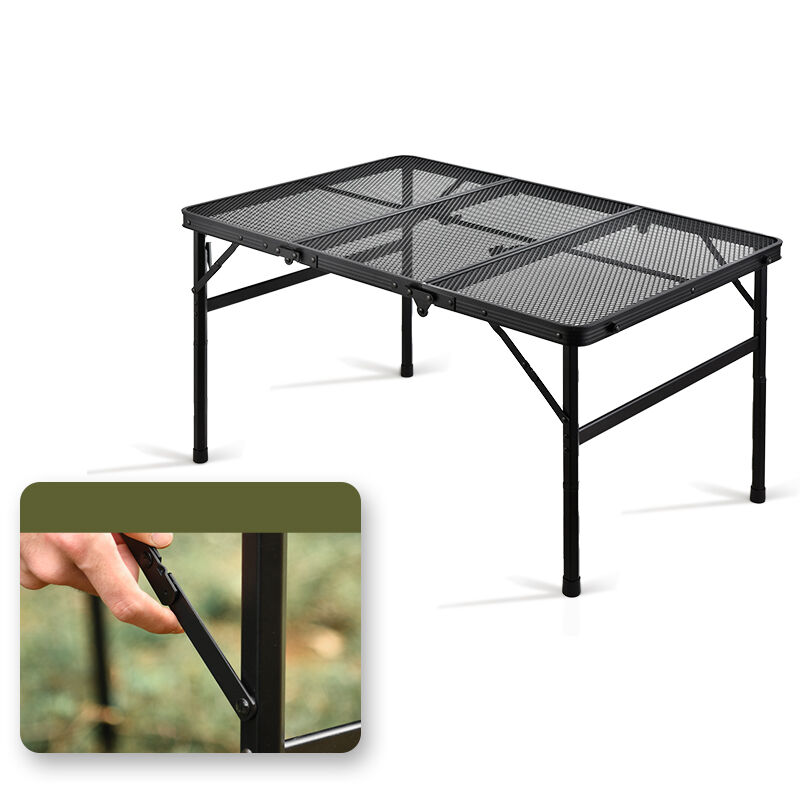
Selecting the appropriate camping table size is a critical decision that directly impacts your outdoor experience, from meal preparation efficiency to social gatherings and equipment storage. Whether you're planning a solo backpacking trip, a family camping weekend, or a group expedition, the dimensions of your camping table will determine how comfortably you can cook, dine, and organize your campsite. Many outdoor enthusiasts overlook this essential consideration until they find themselves struggling with cramped surfaces or lugging unnecessarily large tables through trailheads. Understanding the relationship between table size, group composition, activity requirements, and transportation constraints will help you make an informed choice that enhances rather than hinders your camping adventures.
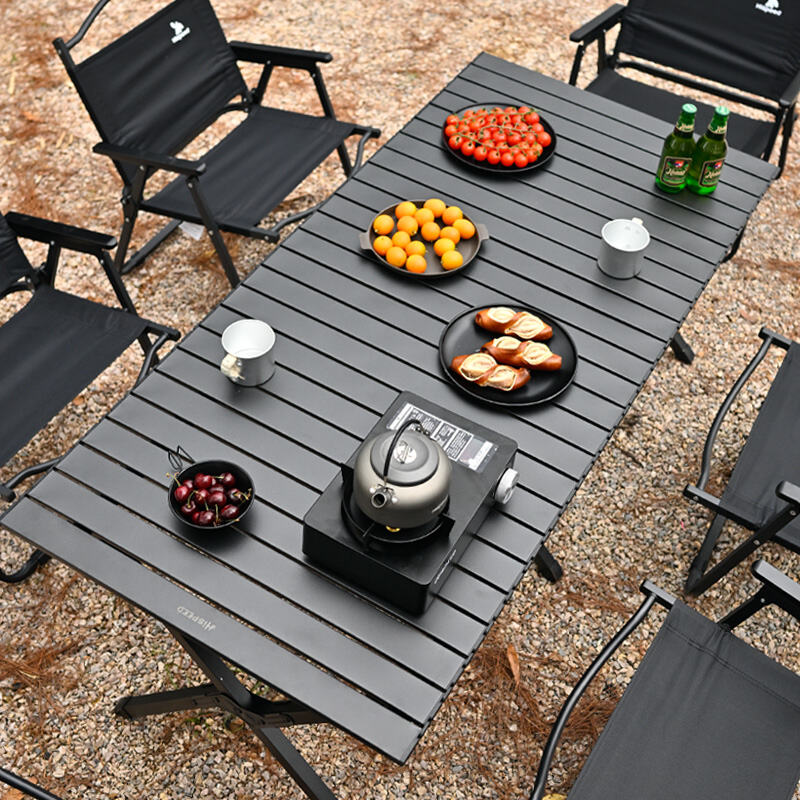
The process of choosing the right camping table size involves balancing multiple factors including the number of campers, the types of activities you'll conduct, your vehicle storage capacity, and the physical terrain of your camping locations. A table that works perfectly for car camping at established campgrounds may prove impractical for backcountry adventures where weight and packability become paramount concerns. Similarly, a compact table suitable for solo travelers will leave a family of four competing for elbow room during mealtimes. This comprehensive guide will walk you through the systematic approach to evaluating your specific camping needs, measuring practical space requirements, and matching those requirements to available table dimensions to ensure your next outdoor investment serves you well for years to come.
Understanding Standard Camping Table Dimensions and Categories
Common Size Classifications in the Camping Table Market
The camping table industry generally categorizes products into four primary size classifications based on surface area and intended user capacity. Compact or personal tables typically measure between 40 to 60 centimeters in length, designed primarily for solo campers or as supplementary surfaces for specific tasks like stove placement or beverage stations. Small to medium tables range from 60 to 90 centimeters, accommodating two to three people comfortably for dining purposes while remaining relatively portable. Standard camping tables span 90 to 120 centimeters in length, representing the most popular category for family camping and group outings with seating capacity for four to six individuals. Large or group tables extend beyond 120 centimeters, reaching up to 180 centimeters for commercial-grade or large gathering applications, though these sacrifice portability for surface area.
When evaluating a camping table, the width dimension proves equally important as length, with most recreational tables ranging between 50 to 70 centimeters wide. This width provides adequate space for place settings without making the table unwieldy during transport or setup. Height represents another critical dimension, with most camping tables offering adjustable legs between 40 to 70 centimeters to accommodate different seating arrangements from ground-level picnics to standard chair height dining. Understanding these standard dimensions helps you quickly assess whether a particular model will meet your spatial requirements without needing to physically test every option.
Weight Capacity Considerations Related to Table Size
The relationship between camping table size and weight capacity follows a generally proportional pattern, though construction materials and engineering design create significant variations. Smaller compact tables typically support 10 to 15 kilograms, sufficient for lightweight camping stoves, cooking utensils, and minimal food preparation. Medium-sized camping tables usually handle 20 to 30 kilograms, accommodating multiple dishes, beverage containers, and heavier cookware during meal service. Standard family-sized tables should support 30 to 50 kilograms to safely hold complete meal spreads, serving platters, and the occasional leaning guest. Understanding these capacity ranges prevents structural failure and ensures safety during use, particularly when children or pets are present around the camping area.
The weight capacity becomes especially relevant when considering multi-purpose camping table applications beyond simple dining. Many campers use their tables as preparation stations for cleaning fish, cutting firewood to size, or organizing gear during packing operations. These activities often exceed the static weight loads of dining and may introduce dynamic forces that stress table frames differently. When selecting your camping table size, factor in a safety margin of at least 30 percent above your anticipated maximum load to account for uneven weight distribution, temporary overloading during serving, and the natural weakening of materials over multiple camping seasons.
Folded Dimensions and Storage Footprint Analysis
While deployed dimensions determine functionality at the campsite, the folded size of your camping table dictates storage feasibility and transportation convenience. Most folding camping tables collapse to roughly one-quarter to one-eighth of their deployed surface area, with typical folded dimensions ranging from 10 to 20 centimeters in thickness. A standard 120-centimeter table often folds into a package measuring approximately 60 by 60 by 15 centimeters, creating a manageable profile for vehicle storage. However, design variations significantly impact these ratios, with roll-top tables sometimes achieving more compact folded states than traditional folding frame designs despite similar deployed dimensions.
The storage footprint extends beyond simple dimensional measurements to include the overall shape and weight of the folded camping table unit. Rectangular folded profiles typically pack more efficiently in vehicle cargo areas compared to awkwardly shaped bundles, particularly when combined with other rectangular camping gear like coolers and storage bins. Weight becomes a critical factor when considering how frequently you'll move the table between storage and deployment positions, with most portable camping tables weighing between 3 to 12 kilograms depending on size and construction materials. Evaluating both deployed and folded dimensions together provides a complete picture of the spatial commitment required for any particular table size.
Assessing Your Group Size and Activity Requirements
Calculating Surface Area Per Person for Different Activities
Determining the appropriate camping table size begins with understanding minimum surface area requirements per person for various camping activities. For basic dining purposes, each camper requires approximately 60 centimeters of linear table edge and 40 centimeters of depth to comfortably accommodate a plate, utensils, drinking vessel, and minimal elbow room. This translates to roughly 0.24 square meters per person for comfortable dining without constant contact with neighboring campers. When activities expand to include food preparation, serving dishes, condiments, and communal cooking equipment, the surface area requirement increases to approximately 0.35 to 0.45 square meters per person to maintain functional workspace without overcrowding.
Different camping activities demand varying spatial allocations that should influence your camping table size selection. Card games and board games typically require centralized playing surfaces plus individual player zones, necessitating larger tables than simple dining for the same number of participants. Food preparation activities involving cutting boards, ingredient bowls, and cooking equipment may require an entire camping table dedicated solely to that function, separate from dining surfaces. When camping with young children, the effective surface area decreases as items tend to spread beyond designated zones, suggesting a size buffer of 20 to 30 percent above calculated minimums provides more realistic functionality in family camping scenarios.
Accounting for Variable Group Compositions
Most camping groups experience variable attendance across different trips, making flexible camping table sizing strategies more valuable than optimizing for a single fixed group size. Families with growing children face changing space requirements as kids transition from booster seats to adult-sized seating, while social camping groups may range from intimate gatherings of four to larger reunions of twelve or more participants. Rather than purchasing multiple camping tables for different scenarios, many experienced campers invest in modular solutions where a primary standard-sized table handles typical outings while supplementary smaller tables expand capacity for larger gatherings without requiring storage space for oversized units used infrequently.
The composition characteristics of your camping group beyond simple headcount significantly impact ideal table size selection. Groups with teenagers and adults exclusively can utilize standard table heights and compact arrangements more effectively than groups including toddlers requiring high chairs or booster seats that consume additional table edge without contributing much to surface area utilization. Mixed-age groups benefit from slightly oversized camping tables that allow adults to assist young children with meal cutting and spill management without leaving their own seats. When camping with elderly participants who may have limited mobility or require assistive devices, extra space around the table perimeter becomes essential for safe access, potentially requiring a size category larger than pure headcount calculations suggest.
Specialized Activity Space Requirements
Certain camping activities impose specific spatial requirements that may override standard dining-based size calculations when selecting your camping table. Outdoor cooking enthusiasts who bring multiple camp stoves, Dutch ovens, or portable grills need dedicated surface area isolated from dining zones for safety and functionality. A single two-burner camp stove typically requires 50 by 40 centimeters of stable surface, while more elaborate outdoor kitchens with multiple heat sources may demand an entire camping table devoted exclusively to cooking operations. These specialized uses often necessitate purchasing a dedicated secondary table rather than attempting to combine cooking and dining functions on a single surface during active meal preparation periods.
Photography enthusiasts, nature journalists, and remote workers who camp while maintaining professional activities require stable, spacious work surfaces that differ from dining requirements. Camera equipment, laptops, and documentation materials need protected zones away from food and beverage spills, often requiring table surfaces 80 to 100 centimeters in length for comfortable equipment layout and operation. Crafting activities popular at family camping events, such as nature journaling, watercolor painting, or educational projects, similarly demand generous uncluttered surfaces with good lighting access. When your camping style regularly incorporates these specialized activities, factor them into size requirements rather than assuming the camping table will primarily serve dining functions.
Evaluating Transportation and Site Constraints
Vehicle Storage Capacity Analysis
The practical upper limit for camping table size often derives not from functional needs but from vehicle storage constraints, particularly for campers using sedans, crossovers, or smaller SUVs rather than full-size trucks or vans. Measure your available cargo area with all essential camping gear loaded to determine the actual remaining space for table storage rather than evaluating empty vehicle capacity. Most passenger vehicles accommodate camping tables up to 100 centimeters in folded length when packed along with sleeping bags, tents, coolers, and clothing, while larger 120-centimeter models may require roof storage solutions or force difficult choices about gear prioritization.
For backcountry camping requiring hiking from vehicle to campsite, the weight and portability of your camping table become more critical than absolute size constraints. Backpackable camping tables rarely exceed 60 centimeters in deployed length and typically weigh under 2 kilograms, representing significant compromises in surface area and stability compared to car camping alternatives. These ultralight options suit minimalist campers prioritizing mobility over comfort, while car campers can consider heavier, more stable table designs without weight penalties. Motorcycle campers and bicycle tourists face particularly severe size and weight constraints, often limiting camping table options to the smallest compact categories or forcing reliance on natural surfaces like flat rocks and logs.
Campsite Space and Terrain Considerations
The physical characteristics of your typical camping locations significantly influence optimal camping table size selection beyond simple functional requirements. Established campgrounds with level concrete or gravel pads easily accommodate large tables, while backcountry sites with uneven terrain, protruding roots, or rocky surfaces may lack sufficient flat space for oversized table footprints. Measure the leg spread of your prospective camping table, not just the tabletop dimensions, as stabilizing frames often extend 20 to 40 centimeters beyond the usable surface area. A 120-centimeter table might require 160 by 90 centimeters of level ground when leg geometry is factored into placement requirements.
Campsite density and neighbor proximity in crowded campgrounds create social considerations for camping table size selection. Oversized tables positioned in compact campsites may encroach on walking paths or neighboring sites, creating unnecessary friction with other campers. Many popular camping destinations implement equipment size restrictions or designated setup zones that limit table placement options, particularly in wilderness areas where impact minimization regulations apply. Research typical site dimensions at your frequented camping locations before investing in larger camping table models to ensure compatibility with actual field conditions rather than idealized scenarios.
Weather Exposure and Shelter Integration
The relationship between your camping table size and available weather protection influences both comfort and equipment longevity. Dining flies, screen houses, and canopy shelters come in standardized sizes, with most entry-level models covering approximately 3 by 3 meters of ground area. A standard camping table measuring 120 by 60 centimeters fits comfortably within these shelters with room for chair access, while oversized tables may protrude beyond covered areas, exposing portions of your dining surface to rain or excessive sun. When you frequently camp in areas with unpredictable weather, ensure your table size coordinates with your shelter dimensions to maintain full protection during use.
Wind resistance increases substantially with camping table surface area, making size a stability factor in exposed locations prone to strong breezes or gusts. Larger tables present greater sail area that can catch wind, potentially causing tipping or requiring additional stabilization measures like anchoring stakes or weight distribution. Coastal camping, high-altitude sites, and prairie locations often experience persistent winds that make oversized camping tables impractical without significant stabilization efforts. In these environments, opting for a slightly smaller table or selecting models with lower profile heights and wind-resistant design features provides more reliable performance than pursuing maximum surface area at the cost of stability.
Matching Table Size to Camping Style and Frequency
Weekend Warriors Versus Extended Trip Campers
Your camping frequency and typical trip duration significantly influence optimal camping table size decisions, as different use patterns prioritize different features and size considerations. Weekend campers making frequent short trips benefit from quickly deployable camping tables in moderate sizes that balance functionality with setup efficiency, typically in the 90 to 110 centimeter range. These mid-sized options provide adequate surface area for typical family meals without requiring extensive assembly time or creating storage hassles in vehicles that also serve daily transportation needs. The emphasis shifts toward durability and ease of repeated packing rather than maximizing every centimeter of surface area for occasional use.
Extended trip campers spending weeks at established seasonal sites can justify larger, more feature-rich camping table solutions that might prove impractical for frequent travelers. When your table remains deployed for days or weeks, the inconvenience of larger folded dimensions becomes irrelevant while the daily comfort benefits of generous surface area compound significantly. Full-time RV travelers and long-term seasonal campers often invest in 150 to 180 centimeter tables that function as true outdoor dining rooms, sometimes supplemented with matching smaller tables for specialized functions. These larger units may incorporate built-in storage, adjustable heights, or modular expansion capabilities that add weight and complexity but enhance livability during extended camping periods.
Minimalist Versus Comfort-Focused Camping Philosophies
Camping philosophy fundamentally shapes appropriate table size selection, with minimalists and comfort campers requiring vastly different solutions despite potentially camping in identical locations with identical group sizes. Minimalist campers who embrace simplicity and reduced gear loads often select the smallest camping table that meets absolute functional minimums, sometimes forgoing tables entirely in favor of improvised natural surfaces or ground cloths. When minimalists do carry tables, compact 60-centimeter models serve primarily as elevated platforms for stoves and critical cooking equipment rather than formal dining surfaces, with meals often consumed from individual lap trays or simple bowl-and-spoon arrangements requiring minimal table space.
Comfort-focused campers prioritize outdoor living quality and often select oversized camping tables relative to strict functional requirements, valuing the psychological benefits of spacious dining and social gathering spaces. These campers view their table as central to the camping experience rather than merely utilitarian equipment, sometimes investing in premium large-format camping tables that rival home dining furniture in surface area and appointments. The comfort philosophy accepts increased weight, setup complexity, and storage demands as reasonable tradeoffs for enhanced livability, particularly for car campers without backpacking weight constraints. Understanding where your personal philosophy falls on this spectrum provides crucial guidance when size calculations yield borderline decisions between adjacent size categories.
Multi-Season Camping Considerations
Campers who venture outdoors across multiple seasons face varying camping table size requirements based on seasonal activity patterns and environmental conditions. Summer camping with its extended daylight hours, outdoor cooking preferences, and casual meal timing often benefits from larger camping tables that accommodate leisurely dining, social activities, and flexible food preparation workflows. Winter camping with abbreviated daylight periods and cold-weather efficiency demands may favor more compact table arrangements that concentrate activities and minimize time spent in exposed conditions outside heated tents or shelters.
Shoulder season camping during spring and fall presents unique size considerations related to variable weather conditions and the need for flexible setup configurations. A moderately sized camping table in the 90 to 100 centimeter range often proves most versatile across seasons, large enough for comfortable warm-weather use yet compact enough to fit within smaller cold-weather shelters. Some experienced four-season campers maintain multiple camping table sizes in their equipment arsenal, selecting appropriate models based on seasonal requirements rather than attempting to optimize a single table for all conditions. This specialized approach requires additional investment and storage capacity but provides superior performance across diverse camping scenarios compared to compromise solutions.
FAQ
What is the ideal camping table size for a family of four?
For a family of four, a camping table measuring 100 to 120 centimeters in length and 60 to 70 centimeters in width provides comfortable dining space with adequate room for serving dishes and beverages. This size allows each family member approximately 25 to 30 centimeters of personal space along the table edge while maintaining a compact enough footprint for typical campsite constraints and vehicle storage. Families with younger children might comfortably use slightly smaller 90-centimeter tables, while those who enjoy elaborate meal presentations or frequently entertain guests may prefer extending to 120 centimeters or supplementing with a secondary smaller table for overflow.
How much should a portable camping table weigh for backpacking trips?
Backpacking camping tables should ideally weigh between 1 to 2.5 kilograms to maintain reasonable pack weight for multi-day wilderness trips where every gram impacts hiking comfort and endurance. Ultralight backpackers often limit camping tables to under 1 kilogram, accepting reduced surface area and stability as necessary compromises for weight savings. These lightweight options typically provide 40 to 60 centimeters of surface length, sufficient for camp stove placement and minimal food preparation but requiring adaptation of dining habits compared to car camping with larger tables. Evaluate your personal fitness level, typical hiking distances, and comfort priorities when determining acceptable weight limits for backpacking table selection.
Can you connect multiple small camping tables to create a larger surface?
While physically possible to position multiple small camping tables adjacent to each other, most standard camping table designs lack specific connection mechanisms to securely join separate units into a unified surface. The resulting configuration creates gaps between tables, uneven height transitions if models differ slightly in leg length, and stability issues as independent tables shift during use. Some manufacturers offer modular camping table systems with dedicated coupling hardware that allows multiple sections to lock together, creating expandable surfaces for variable group sizes. These specialized systems cost more than standard tables but provide genuine scalability, making them worthwhile investments for campers who regularly host groups ranging from intimate gatherings to larger reunions requiring flexible table configurations.
What camping table size works best for solo camping and cooking?
Solo campers typically find compact camping tables measuring 50 to 70 centimeters in length provide optimal balance between functionality and portability for cooking and dining needs. This size accommodates a single-burner camp stove, essential cooking utensils, and a personal place setting without excessive bulk during transport or unnecessary surface area at the campsite. Solo campers who prepare elaborate meals or carry extensive cooking equipment may prefer extending to 80 to 90 centimeter tables that allow simultaneous stove operation and food preparation activities. Ultralight solo backpackers often forgo dedicated camping tables entirely, using natural surfaces or simple ground cloths, though this approach requires significant adaptation and may prove impractical in wet or uneven terrain where elevated surfaces provide important functional advantages.