 EN
EN

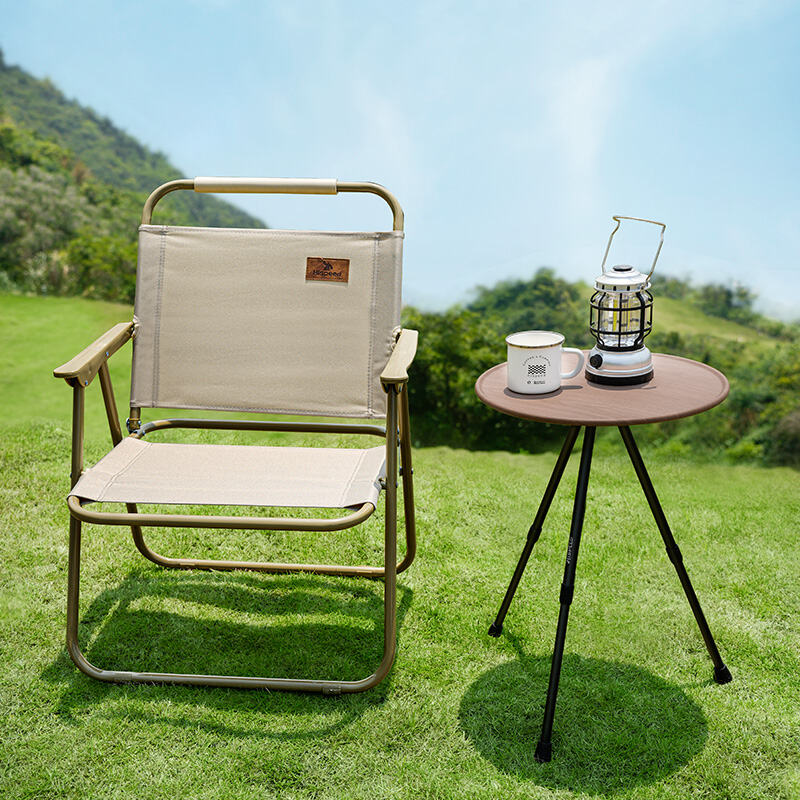
Selecting the right camping chair can transform your outdoor experience from uncomfortable endurance to relaxed enjoyment. Whether you're spending a weekend at a remote campsite, attending an outdoor festival, or simply enjoying a day by the lake, the camping chair you choose serves as your portable throne in nature. A good camping chair balances multiple critical factors including structural integrity, weight capacity, portability, weather resistance, and ergonomic comfort. Understanding what separates an exceptional camping chair from a mediocre one requires examining the materials, construction methods, design features, and practical considerations that determine real-world performance during outdoor adventures.
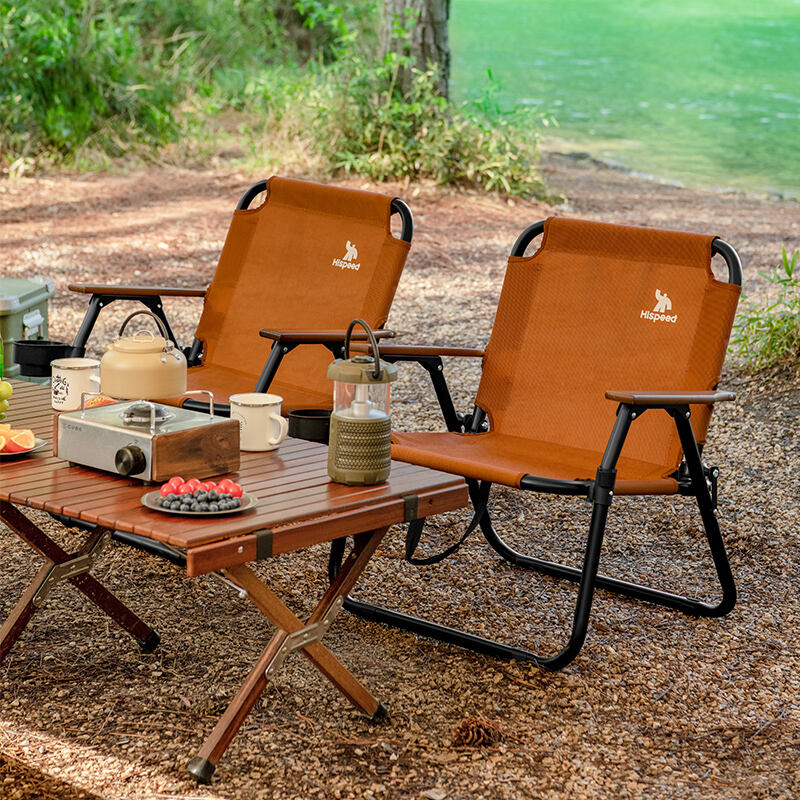
The marketplace offers countless camping chair options, ranging from minimalist ultralight models weighing under a pound to heavy-duty recliners with built-in coolers and canopies. This diversity reflects the varied demands of different outdoor activities and user preferences. What makes a camping chair truly good depends on matching specific design characteristics to your intended use case, physical requirements, and transportation constraints. The following exploration examines the essential attributes that define camping chair quality, helping you identify which features matter most for your particular outdoor adventures and ensuring your investment delivers reliable comfort season after season.
Material Quality and Durability Standards
Frame Construction and Metal Selection
The frame represents the structural foundation of any camping chair, and material selection directly impacts durability, weight, and load-bearing capacity. Aluminum alloy frames dominate the quality camping chair market due to their excellent strength-to-weight ratio and natural corrosion resistance. High-grade aluminum frames typically use 7075 or 6061 alloy specifications, which provide superior tensile strength while maintaining portability. These aerospace-grade materials resist bending under stress and withstand repeated folding cycles without developing structural fatigue. Steel frames offer maximum weight capacity and exceptional stability but add considerable bulk, making them suitable primarily for car camping scenarios where portability takes secondary priority to robustness.
Frame thickness and welding quality separate premium camping chairs from budget alternatives. Quality frames feature reinforced stress points at connection joints where the greatest load concentration occurs during use. Double-wall tubing at critical junctures distributes weight more effectively and prevents catastrophic failure when the camping chair experiences sudden impact or uneven ground pressure. The welding technique employed also matters significantly—TIG welding produces cleaner, stronger joints than MIG welding, though it increases manufacturing costs. Examining weld seams for smoothness and uniformity provides insight into overall construction standards, as rough or inconsistent welds often indicate compromised structural integrity that may fail prematurely during outdoor use.
Fabric Durability and Weather Resistance
Seat fabric quality determines comfort longevity and maintenance requirements throughout the camping chair's service life. Premium camping chairs utilize high-denier fabrics, typically ranging from 600D to 1680D Oxford cloth or polyester blends that resist tearing, abrasion, and UV degradation. The denier measurement indicates thread thickness—higher numbers mean thicker, more durable fibers that withstand rough surfaces, sharp objects, and repeated friction from entering and exiting the chair. Double-stitched seams with reinforced bartack stitching at stress points prevent fabric separation even when the camping chair supports users at maximum weight capacity.
Weather resistance extends camping chair usability across diverse environmental conditions. Quality fabrics receive water-resistant or waterproof coatings that repel moisture, preventing the seat from becoming saturated during unexpected rain or morning dew exposure. This treatment also inhibits mildew growth during storage and maintains fabric integrity when the camping chair remains outdoors for extended periods. UV-resistant treatments protect against sun damage that causes fading and fiber breakdown, particularly important for chairs used in high-altitude or desert environments where solar radiation intensity increases dramatically. Breathable mesh panels incorporated into some camping chair designs enhance ventilation during hot weather while maintaining overall fabric strength through strategic placement in low-stress zones.
Weight Capacity and Structural Stability
Load-Bearing Engineering Principles
A quality camping chair must safely support its stated weight capacity without flexing excessively or exhibiting instability. Reputable manufacturers specify weight limits ranging from 220 pounds for ultralight models to over 400 pounds for heavy-duty designs, with testing protocols that verify performance at 125-150 percent of the rated capacity. The weight distribution geometry plays a crucial role in stability—camping chairs with wider stances and lower seat heights inherently provide better balance on uneven terrain compared to narrow, tall designs. Four-legged configurations offer superior stability over tripod styles, though they may sacrifice some packability in exchange for enhanced security during use.
The relationship between seat angle and leg placement determines how effectively the camping chair transfers user weight to the ground. Optimal designs position rear legs slightly behind the seat back to counterbalance reclining pressure, preventing backward tipping when users lean back fully. Front leg placement must extend sufficiently forward to prevent forward tipping during entry and exit movements. Cross-bracing between legs adds torsional rigidity that prevents racking—the side-to-side twisting motion that causes many camping chairs to feel unstable on irregular surfaces. Quality camping chairs incorporate diagonal support bars or tensioned fabric panels that triangulate the structure, dramatically improving rigidity without adding excessive weight.
Ground Contact and Anti-Sink Features
Foot design significantly affects camping chair performance on soft surfaces like sand, mud, and loose soil. Standard round feet work adequately on firm ground but tend to sink into softer substrates, compromising stability and making the chair difficult to extract. Quality camping chairs feature enlarged foot pads or wide-profile feet that distribute weight over greater surface areas, reducing ground pressure and minimizing sinking. Some advanced designs incorporate removable or flip-out snow feet that dramatically increase bearing surface for winter camping or beach use, transforming the camping chair's versatility across seasonal conditions.
Adjustable leg lengths or self-leveling mechanisms represent premium features that enhance camping chair stability on sloped or uneven terrain. Independent leg adjustment allows users to compensate for ground irregularities, maintaining level seating orientation that would otherwise be impossible on hillsides or rocky surfaces. Locking mechanisms must securely hold adjusted positions without slipping under load—quality systems employ positive-locking pins or cam-action clamps rather than friction-only adjustment. These features particularly benefit users with mobility considerations who require stable, level seating for safe entry and exit regardless of campsite topography.
Portability and Storage Efficiency
Folding Mechanisms and Packed Dimensions
Portability defines practical utility for camping chairs intended for backpacking, hiking, or any activity requiring manual transportation beyond short distances. The folding mechanism directly impacts both packed size and deployment speed. Traditional X-frame camping chairs fold laterally into relatively flat profiles but maintain significant length dimensions. Hub-based folding systems collapse into compact bundles by articulating at multiple points simultaneously, achieving remarkably small packed volumes suitable for motorcycle panniers or kayak storage compartments. Quality folding mechanisms operate smoothly without binding, feature positive locking when deployed, and resist accidental collapse through secure latching systems.
Packed dimensions must match transportation reality for your specific adventures. A camping chair measuring 36 inches long when folded may work perfectly for car camping but proves entirely impractical for airline travel or bicycle touring. Truly portable designs pack into cylinders measuring 14-18 inches long and 4-5 inches in diameter, fitting easily into external backpack pockets or lashing points. The trade-off between compact packing and structural robustness requires careful consideration—ultralight camping chairs achieve minimal packed size by using thinner materials and simpler construction, necessarily limiting weight capacity and long-term durability compared to heavier-duty alternatives.
Weight Considerations for Different Activities
Camping chair weight dramatically affects user experience across different outdoor scenarios. Ultralight backpacking demands chairs weighing under two pounds, where every ounce matters during multi-day treks covering substantial distances. These minimalist camping chairs sacrifice some comfort and features to achieve portability, typically employing lightweight aluminum or carbon fiber frames with minimal fabric and streamlined designs. Car camping permits heavier camping chairs weighing five to ten pounds that offer enhanced comfort features like padded armrests, cup holders, and reclining backs since transportation effort remains minimal.
The weight-to-comfort ratio represents a critical evaluation metric when selecting a camping chair. A three-pound chair that provides excellent lumbar support and remains comfortable for extended sitting periods delivers better practical value than a two-pound alternative that becomes uncomfortable after thirty minutes, forcing you to stand frequently or sit on the ground. Quality lightweight camping chairs optimize this balance through intelligent material selection and structural engineering that eliminates unnecessary mass without compromising essential support characteristics. Consider your typical usage duration—chairs used primarily for short breaks tolerate minimalist designs better than those serving as primary seating during multi-hour activities like fishing, festival attendance, or social camping gatherings.
Comfort Features and Ergonomic Design
Seat Geometry and Lumbar Support
Seat design profoundly impacts comfort during extended use, making geometry optimization essential for quality camping chairs. The seat depth measurement—distance from front edge to back support—must accommodate leg length variations while preventing pressure points behind knees. Optimal depths range from 16 to 20 inches for adult users, with shallower seats suiting shorter individuals and deeper configurations accommodating longer legs. Seat width similarly affects comfort, particularly for broader-bodied users who require adequate lateral space without fabric tension creating uncomfortable pressure along thighs. Quality camping chairs provide 18-22 inches of seated width to accommodate diverse body types comfortably.
Lumbar support significantly reduces fatigue during prolonged sitting by maintaining natural spine curvature and preventing slouching. The best camping chairs incorporate contoured back panels that support the lower back's natural lordotic curve, typically positioned 6-8 inches above the seat surface. Some premium models feature adjustable lumbar supports or removable cushions that allow customization to individual preferences. The recline angle also influences comfort—chairs with excessively upright backs feel rigid and uncomfortable, while overly reclined designs make eating or conversation awkward. An optimal recline of 100-110 degrees from the seat plane provides relaxed positioning while maintaining functional versatility for various activities.
Armrest Design and Additional Comfort Elements
Armrests transform a basic camping chair into a genuinely comfortable seating solution by providing upper body support and leverage points for entry and exit. Quality armrests position at appropriate heights—typically 8-10 inches above the seat surface—allowing relaxed arm positioning without shoulder elevation that causes tension and fatigue. Armrest padding enhances comfort significantly, particularly during extended use when hard surfaces create pressure points. Foam or gel padding covered with weather-resistant materials delivers lasting comfort without degrading from sun exposure or moisture contact that affects unprotected foam.
Additional comfort features distinguish premium camping chairs from basic models. Headrests or high-back designs support neck and head positioning during relaxation, particularly valuable after strenuous hiking or for users with neck sensitivity. Footrests integrated into some reclining camping chair designs elevate legs, improving circulation and reducing fatigue during extended sitting periods. Side pockets and cup holders add functional convenience, keeping essentials accessible without requiring users to rise repeatedly. These features add weight and complexity, so their value depends on your typical usage patterns—features that enhance car camping comfort may represent unnecessary bulk for backpacking applications where minimal weight remains paramount.
Practical Considerations for Outdoor Use
Assembly Ease and Intuitive Deployment
Setup simplicity significantly impacts user satisfaction, particularly when fatigue, poor lighting, or weather conditions complicate assembly. The best camping chairs deploy in seconds through intuitive mechanisms requiring no instructions or complex sequences. Pop-open hub designs epitomize ease of use—simply remove from the carry bag and allow the pre-tensioned frame to automatically expand into functional configuration. Traditional folding camping chairs require slightly more effort but should still achieve full deployment in under thirty seconds through straightforward leg extension and seat positioning movements.
Quality construction ensures consistent, trouble-free assembly even after hundreds of deployment cycles. Pivot points should articulate smoothly without excessive play or binding, maintaining proper alignment throughout the folding range. Locking mechanisms must engage positively and obviously, providing clear tactile or audible feedback confirming secure deployment. Ambiguous locking creates safety hazards where users trust incompletely deployed camping chairs that collapse unexpectedly. Premium designs incorporate fail-safe features preventing operation unless fully locked, eliminating the possibility of partial deployment failures. Consider that setup may occur in darkness, rain, or while wearing gloves—truly well-designed camping chairs remain easily deployable under all these challenging conditions without requiring fine motor control or visual confirmation of component alignment.
Maintenance Requirements and Longevity
Long-term value depends substantially on maintenance ease and component durability over many use cycles. Quality camping chairs require minimal maintenance beyond basic cleaning and occasional lubrication of moving parts. Removable fabric covers that allow machine washing simplify deep cleaning after muddy camping trips or beach outings where sand infiltration proves inevitable. Non-removable fabrics should tolerate spot cleaning with mild soap and water without color fading or material degradation. Frame components benefit from occasional inspection for damage, corrosion, or loose fasteners that might compromise structural integrity.
Repairability extends camping chair service life substantially, making replacement part availability an important consideration. Premium manufacturers offer replacement fabric slings, shock cords, and hardware components that allow users to refresh worn camping chairs rather than discarding them entirely. Standard fastener sizes and conventional construction methods facilitate home repairs using common tools, whereas proprietary components or specialized assembly techniques create dependencies on manufacturer support. Quality camping chairs survive years of regular outdoor use when properly maintained, developing character from adventure patina rather than requiring premature replacement due to premature failure of critical components.
FAQ
What weight capacity should I look for in a camping chair?
Select a camping chair with a weight capacity exceeding your body weight by at least 50 pounds to ensure safety margins and structural longevity. Standard camping chairs typically support 220-250 pounds, while heavy-duty models accommodate 300-400 pounds or more. Higher capacity ratings generally indicate more robust construction that withstands demanding use even for lighter individuals. Consider that dynamic loading during entry, exit, and position changes creates forces substantially exceeding static body weight, making generous capacity margins important for reliability and safety during outdoor adventures where medical assistance may be distant.
How important is portability versus comfort when choosing a camping chair?
The portability-comfort balance depends entirely on your transportation method and usage patterns. Backpacking and hiking applications demand maximum portability, justifying comfort compromises for weight reduction. Car camping, tailgating, and festival attendance eliminate transportation constraints, making comfort the priority since you can easily transport heavier, more feature-rich camping chairs. Evaluate your typical usage duration—chairs used for brief rest stops tolerate minimalist designs, while primary seating during multi-hour activities justifies additional weight for enhanced ergonomic support. Many outdoor enthusiasts maintain multiple camping chairs optimized for different adventure types rather than seeking a single compromise solution.
What fabric type works best for different weather conditions?
Coated polyester or Oxford cloth fabrics rated 600D or higher provide excellent all-weather performance for most camping chairs, offering durability, water resistance, and UV protection. Breathable mesh panels enhance comfort in hot climates by promoting airflow, though they sacrifice some weather protection. For predominantly wet or coastal environments, choose camping chairs with fully waterproof fabrics and drainage grommets that prevent water pooling. Winter camping benefits from solid fabrics without mesh that reduce wind penetration. The fabric coating quality matters as much as base material—premium treatments maintain water repellency and UV resistance through many seasons, while inferior coatings degrade quickly, compromising weather protection and fabric longevity.
How do I prevent my camping chair from sinking in soft ground?
Prevent sinking by selecting camping chairs with wide foot profiles that distribute weight over larger surface areas, reducing ground pressure on soft substrates like sand, mud, or snow. Aftermarket foot attachments or DIY solutions using plastic discs, tennis balls with slits, or purpose-made snow feet dramatically increase bearing surface when dealing with particularly soft conditions. Position your camping chair on naturally firmer ground when possible, avoiding loose sand or saturated soil. For beach use, slightly wetting the sand beneath foot placement points increases compaction and bearing capacity. Some campers carry small plywood squares or rigid plastic panels to place beneath camping chair feet, creating stable platforms that prevent sinking while protecting tent floor fabric during use inside shelters.