 EN
EN

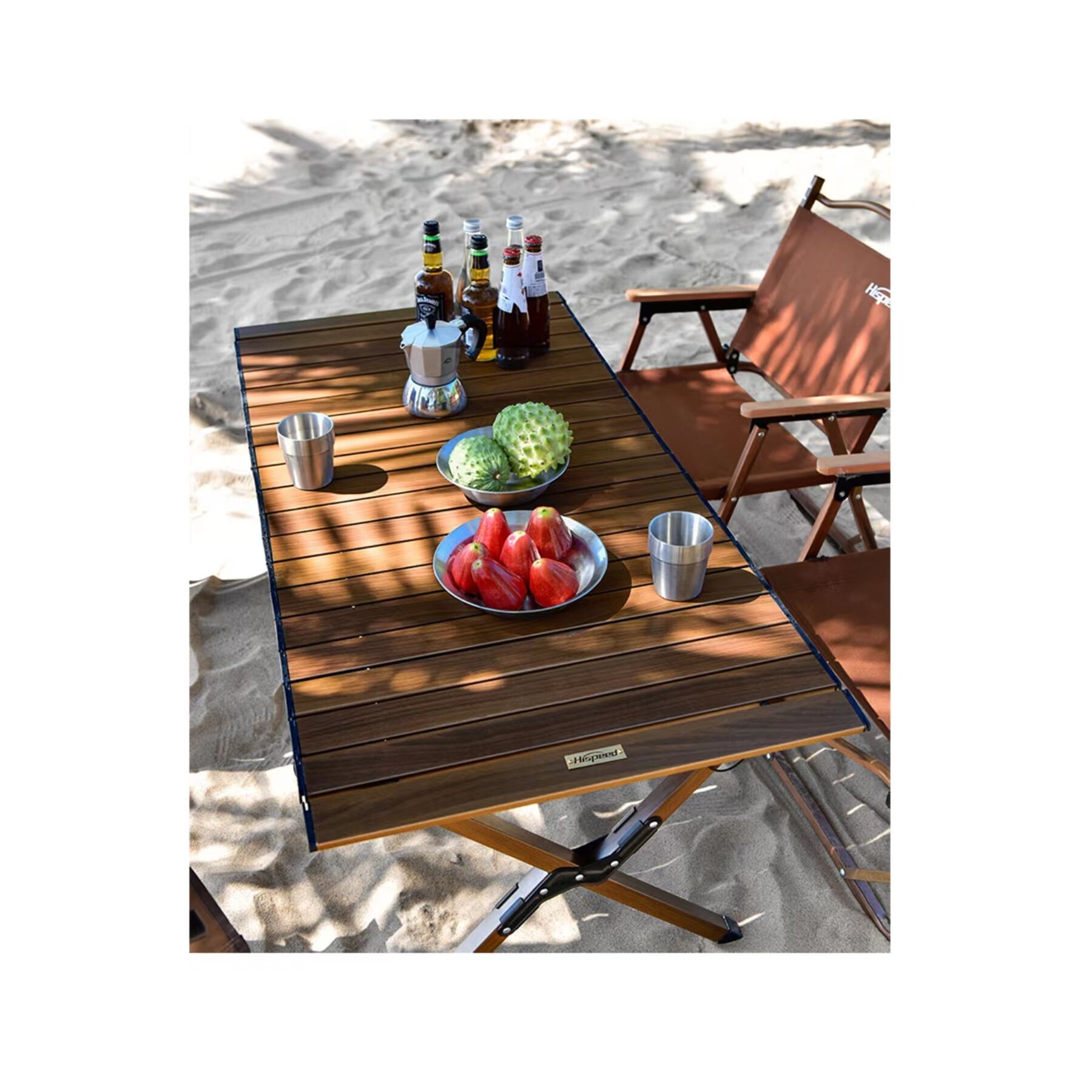
Outdoor enthusiasts understand that the right equipment can transform a good camping trip into an exceptional adventure. Among the most underrated pieces of gear is a quality camping table, which serves as the foundation for countless outdoor activities. From meal preparation to equipment organization, a portable camping table elevates comfort levels and creates a dedicated workspace that enhances the overall camping experience.
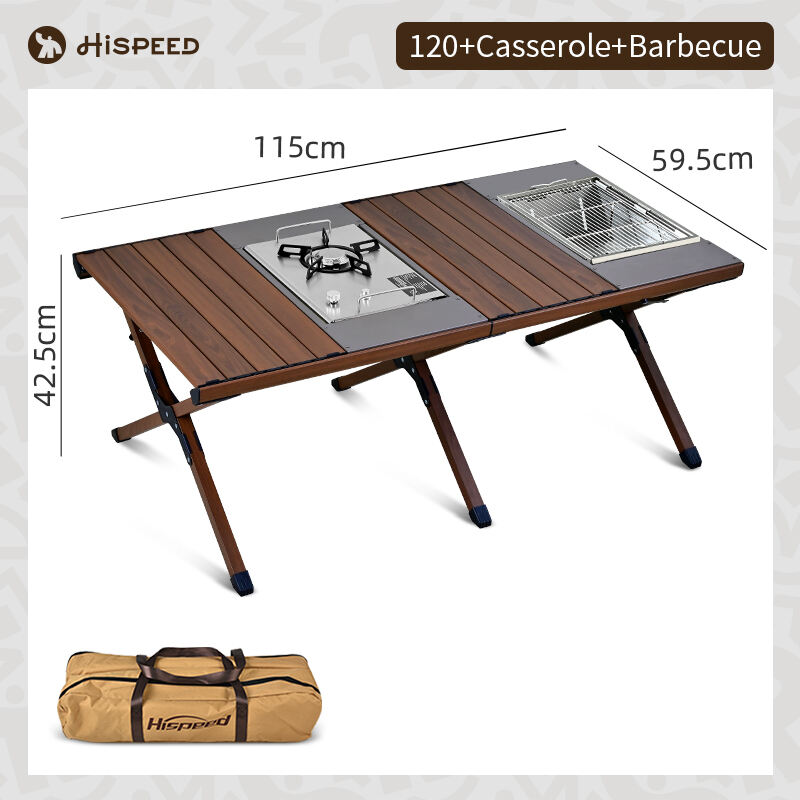
The evolution of outdoor furniture has brought remarkable innovations to the camping industry, with modern designs focusing on durability, portability, and functionality. Today's camping tables incorporate lightweight materials, compact folding mechanisms, and weather-resistant surfaces that withstand the rigors of outdoor use. These advances have made it possible for campers to enjoy restaurant-quality dining experiences and organized living spaces even in remote wilderness locations.
Understanding the multifaceted benefits of a camping table helps outdoor enthusiasts make informed decisions about their gear investments. Beyond simple convenience, these portable surfaces contribute to food safety, social interaction, and overall trip satisfaction. The psychological impact of having a clean, elevated surface for activities cannot be understated, as it creates a sense of home and civilization in natural settings.
Essential Features That Define Quality Outdoor Tables
Material Construction and Durability Standards
Premium camping tables utilize aerospace-grade aluminum alloys that provide exceptional strength-to-weight ratios while resisting corrosion in harsh outdoor environments. These materials withstand temperature fluctuations, moisture exposure, and repetitive folding cycles without compromising structural integrity. The surface treatments applied to quality tables include anodization processes that create protective barriers against oxidation and wear.
Frame design plays a crucial role in determining load capacity and stability characteristics of camping furniture. Triangulated support structures distribute weight evenly across multiple contact points, preventing wobbling and ensuring safe operation on uneven terrain. High-grade camping tables feature reinforced joints and locking mechanisms that maintain rigidity under dynamic loads while allowing for compact storage when not in use.
Surface materials range from traditional aluminum tops to advanced composite panels that offer superior scratch resistance and easy cleaning properties. Some models incorporate textured finishes that prevent slipping while maintaining smooth surfaces for food preparation activities. The choice of surface material directly impacts the camping table's versatility and long-term maintenance requirements.
Portability and Space Efficiency Considerations
Modern camping tables excel in compactness, with many models folding to briefcase-sized packages that fit easily in vehicle storage compartments. Weight considerations become critical for backpacking applications, where every ounce matters for extended wilderness excursions. Ultra-lightweight designs achieve impressive portability without sacrificing functionality through innovative engineering approaches.
Setup and breakdown procedures significantly impact user satisfaction and practical utility in field conditions. Quality camping tables feature intuitive deployment mechanisms that require no tools or complex assembly steps. Spring-loaded legs and automatic locking systems enable single-person setup in under sixty seconds, maximizing convenience during camp establishment routines.
Storage integration capabilities enhance overall camping organization by providing designated spaces for gear, utensils, and supplies. Some camping tables include built-in compartments, tool holders, and accessory mounting points that eliminate the need for separate storage solutions. These integrated features contribute to cleaner campsites and more efficient camp management practices.
Practical Applications in Various Camping Scenarios
Meal Preparation and Food Safety Benefits
Food preparation becomes significantly safer and more enjoyable with a dedicated camping table surface that elevates ingredients away from ground contamination. Proper food handling requires clean, stable work areas that prevent cross-contamination and maintain hygienic conditions throughout meal preparation processes. The elevated surface also protects food from insects, dirt, and moisture that could compromise meal quality.
Temperature control advantages emerge when using camping tables with integrated cooking features or heat-resistant surfaces. These specialized designs accommodate camp stoves, grills, and heating elements while protecting underlying surfaces from heat damage. The camping table becomes a complete outdoor kitchen solution that rivals home cooking capabilities.
Cleanup procedures become more efficient when food preparation occurs on dedicated camping table surfaces rather than improvised ground-level arrangements. Removable tops and smooth finishes facilitate thorough cleaning with minimal water usage, supporting Leave No Trace principles. This efficiency reduces environmental impact while maintaining sanitary conditions throughout extended camping periods.
Social and Entertainment Functions
Camping tables serve as natural gathering points that encourage social interaction and group activities around campsites. The defined space creates comfortable seating arrangements for card games, conversation, and communal dining experiences. These social benefits contribute significantly to trip satisfaction and group bonding opportunities in outdoor settings.
Entertainment applications extend beyond simple surface provision to include integrated features like cup holders, game board surfaces, and charging stations for electronic devices. Modern camping tables accommodate various leisure activities while maintaining their primary functional capabilities. This versatility maximizes value and utility across diverse camping scenarios and group preferences.
Weather protection features enhance usability during challenging environmental conditions, with some camping tables offering windscreens, rain covers, and adjustable height mechanisms. These adaptations ensure consistent functionality regardless of weather patterns, extending the useful camping season and improving overall outdoor experience quality.
Size Selection and Capacity Planning
Determining Optimal Dimensions for Group Needs
Group size analysis forms the foundation for selecting appropriate camping table dimensions that accommodate all participants comfortably. Solo campers require minimal surface area for basic meal preparation and equipment organization, while family groups need expanded surfaces for multiple simultaneous activities. Understanding peak usage scenarios helps determine the minimum viable table size for specific camping applications.
Activity requirements influence size selection beyond simple seating capacity considerations. Cooking elaborate meals demands more preparation space than basic snack assembly, while craft projects or equipment maintenance require different surface configurations. A properly sized camping table provides adequate workspace for primary activities without excessive bulk or weight penalties.
Transport limitations often dictate maximum acceptable dimensions for camping tables, particularly in vehicles with limited cargo capacity. Roof rack compatibility, trunk space restrictions, and weight distribution requirements all factor into practical size selection decisions. Balancing functional needs with transport constraints requires careful evaluation of available options and usage priorities.
Weight Capacity and Load Distribution
Load testing specifications reveal the maximum safe working capacity of camping tables under various loading conditions. Quality models undergo rigorous testing procedures that verify structural integrity under static and dynamic loads exceeding normal usage requirements. Understanding these specifications helps users select appropriate camping table models for their specific equipment and usage patterns.
Weight distribution principles affect camping table stability and longevity, with concentrated loads creating stress points that may lead to premature failure. Proper loading techniques spread weight evenly across the surface area while avoiding edge loading that could compromise frame integrity. Educational awareness of these principles extends equipment life and ensures safe operation in field conditions.
Safety margins built into quality camping tables provide protection against unexpected overloading situations that might occur during normal camping activities. Conservative design approaches incorporate factors of safety that account for dynamic loading, environmental stress, and long-term fatigue effects. These margins ensure reliable performance throughout the expected service life of the equipment.
Maintenance and Longevity Strategies
Cleaning and Storage Best Practices
Regular maintenance routines significantly extend camping table service life while ensuring optimal performance in demanding outdoor environments. Immediate cleaning after use prevents food residues and environmental contaminants from causing permanent staining or corrosion damage. Simple maintenance habits establish protective routines that preserve appearance and functionality over many camping seasons.
Storage preparation involves thorough cleaning, complete drying, and protective covering to prevent damage during dormant periods between camping trips. Climate-controlled storage environments protect camping tables from extreme temperatures and humidity variations that could affect material properties. Proper storage techniques maintain like-new condition and readiness for immediate deployment when camping opportunities arise.
Lubrication and mechanism maintenance ensure smooth operation of folding joints, locking systems, and adjustable components throughout the camping table's service life. Food-grade lubricants prevent contamination while providing necessary protection for moving parts exposed to outdoor elements. Regular maintenance schedules prevent minor issues from developing into major problems that could compromise field reliability.
Repair and Component Replacement Options
Modular design approaches in quality camping tables enable component replacement and repair rather than complete unit replacement when wear occurs. Replaceable feet, surface panels, and hardware components extend useful life while reducing long-term ownership costs. This serviceability factor contributes to sustainable camping practices and equipment investment protection.
Field repair capabilities become important during extended camping trips where equipment failure could significantly impact trip quality. Basic repair kits and techniques enable temporary fixes that restore functionality until permanent repairs can be completed. Understanding common failure modes and appropriate response strategies prepares campers for equipment challenges in remote locations.
Warranty coverage and manufacturer support services provide additional protection for camping table investments while ensuring access to genuine replacement parts and technical assistance. Comprehensive warranty programs demonstrate manufacturer confidence in product quality while providing user protection against defects or premature failure. These services contribute to total ownership value and long-term satisfaction with camping table purchases.
FAQ
What size camping table works best for a family of four
A camping table measuring 48 to 60 inches in length provides adequate space for family meal preparation and dining activities. This size accommodates four place settings comfortably while leaving room for serving dishes and beverages. Consider models with adjustable height features to accommodate children and various seating arrangements around the campsite.
How much weight can a typical camping table support safely
Quality camping tables typically support between 50 to 100 pounds of evenly distributed weight, depending on construction materials and frame design. Premium models with reinforced aluminum frames may handle even higher loads. Always check manufacturer specifications and avoid exceeding recommended weight limits to ensure safe operation and prevent structural damage.
Are camping tables with built-in cooking features worth the investment
Integrated cooking features add significant value for campers who prioritize meal preparation and outdoor cooking experiences. These specialized camping tables eliminate the need for separate cooking surfaces while providing heat-resistant work areas and organized storage for cooking accessories. The convenience and space savings often justify the additional investment for serious outdoor enthusiasts.
What maintenance is required to keep a camping table in good condition
Regular cleaning with mild soap and water after each camping trip prevents buildup of food residues and environmental contaminants. Periodic lubrication of folding mechanisms ensures smooth operation, while proper storage in dry conditions prevents corrosion and material degradation. Annual inspection of joints, locks, and surface condition helps identify potential issues before they compromise functionality in the field.