 EN
EN

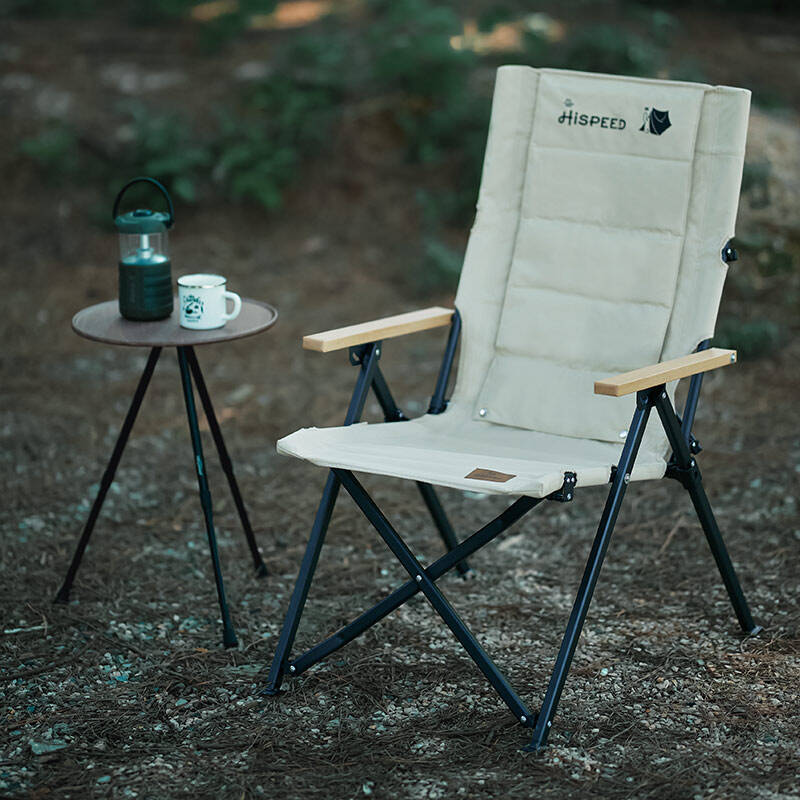
When selecting the perfect beach chair for your outdoor adventures, material composition stands as the most critical factor determining long-term durability and performance. The harsh coastal environment presents unique challenges that can quickly deteriorate poorly constructed seating, making material choice essential for anyone serious about their beach comfort. Understanding how different materials respond to saltwater exposure, UV radiation, and sand abrasion will help you make an informed decision that ensures years of reliable use. Quality beach chair construction directly impacts not only longevity but also safety, comfort, and overall value for your investment.
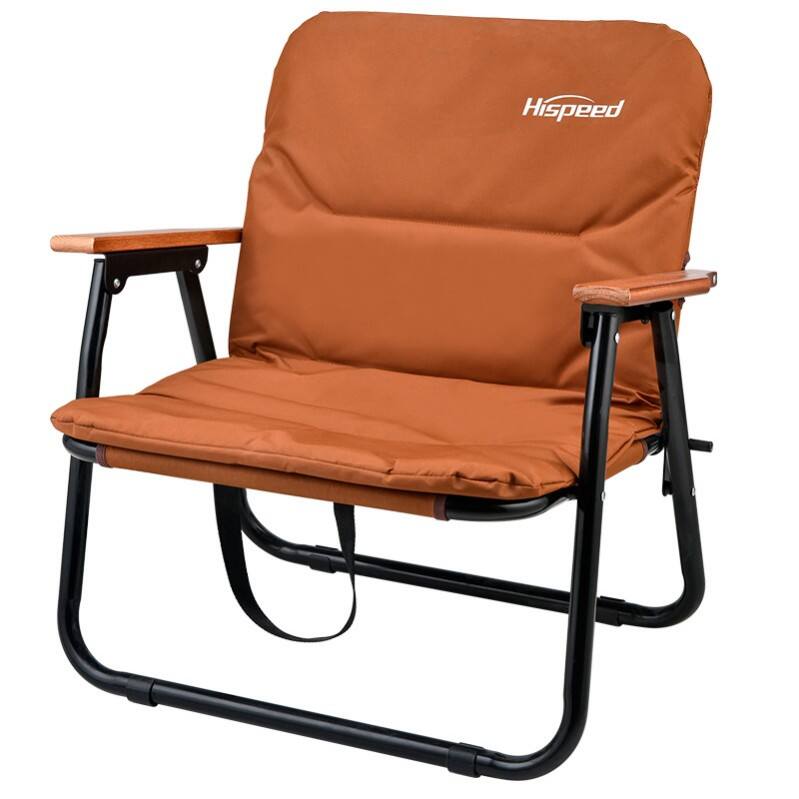
The Science Behind Beach Chair Material Selection
Environmental Stress Factors
Beach environments create a perfect storm of destructive elements that test the limits of outdoor furniture materials. Salt air acts as a corrosive agent, accelerating oxidation processes in metals and causing degradation in synthetic fabrics. The combination of high humidity, temperature fluctuations, and constant UV exposure creates conditions that can break down even high-quality materials over time. Understanding these environmental stressors helps explain why premium beach chair manufacturers invest heavily in specialized material treatments and protective coatings.
Sand particles create another layer of complexity, acting as abrasive agents that wear down fabric fibers and scratch protective finishes. Wind-blown sand can infiltrate joints and moving parts, causing mechanical failures in folding mechanisms. These microscopic particles embed themselves in fabric weaves, creating friction points that weaken the material structure. Effective beach chair design must account for these factors through proper material selection and engineering approaches that minimize vulnerable contact points.
Material Performance Under Extreme Conditions
Temperature extremes common in beach environments place significant stress on chair materials, with surface temperatures often exceeding 140 degrees Fahrenheit on sunny days. This thermal cycling causes expansion and contraction that can weaken joints, fade colors, and compromise structural integrity. Materials that perform well under these conditions typically feature enhanced thermal stability and UV-resistant additives that maintain their properties across wide temperature ranges.
Moisture exposure from ocean spray, humidity, and occasional rain creates additional challenges for beach chair durability. Materials must resist water absorption that can lead to mold, mildew, and structural weakness. The cyclical wetting and drying process can cause some materials to become brittle or lose flexibility, making proper material selection crucial for maintaining long-term performance in coastal environments.
Premium Frame Materials and Their Benefits
Aluminum Alloy Construction
Aluminum stands as the gold standard for beach chair frame construction due to its exceptional resistance to corrosion and lightweight properties. High-grade aluminum alloys used in quality beach chair manufacturing undergo specialized treatments that create protective oxide layers, preventing salt-induced corrosion that destroys lesser materials. The strength-to-weight ratio of aluminum makes it ideal for portable applications while maintaining structural integrity under normal use conditions.
Advanced aluminum processing techniques include anodization and powder coating treatments that enhance surface durability and appearance retention. These protective finishes create barriers against environmental damage while providing attractive color options that resist fading. Premium beach chair manufacturers often use marine-grade aluminum alloys specifically designed for harsh coastal environments, ensuring maximum longevity and performance.
Steel Frame Alternatives
While steel offers superior strength characteristics, its application in beach chair construction requires careful consideration of corrosion protection methods. Stainless steel grades designed for marine applications can provide excellent durability, though they typically result in heavier final products. The trade-off between strength and portability makes steel more suitable for stationary or semi-permanent beach chair installations rather than highly portable options.
Galvanized and powder-coated steel treatments can extend service life significantly when properly applied and maintained. However, any coating damage exposes the underlying steel to rapid corrosion in salt air environments. This vulnerability makes regular inspection and maintenance critical for steel-framed beach chair longevity, adding to the total cost of ownership over time.
Fabric Technologies for Long-Term Performance
Synthetic Mesh Materials
Modern beach chair fabrics utilize advanced synthetic materials engineered specifically for outdoor applications and harsh environmental conditions. Polyester mesh fabrics treated with UV inhibitors and antimicrobial agents provide excellent breathability while resisting degradation from sun exposure and moisture. These materials dry quickly after exposure to water, preventing the growth of mold and mildew that can compromise both hygiene and structural integrity.
High-denier polyester and nylon blends offer superior tear resistance and durability compared to standard fabric options. The mesh construction allows air circulation that keeps users comfortable while preventing heat buildup that can accelerate material degradation. Quality beach chair manufacturers often use proprietary fabric blends that balance comfort, durability, and aesthetic appeal for optimal user experience.
Textilene and Advanced Weaves
Textilene fabric represents a significant advancement in beach chair material technology, combining PVC-coated polyester fibers in specialized weave patterns that maximize durability and comfort. This material resists stretching, fading, and tearing while maintaining flexibility and breathability essential for comfortable seating. The smooth surface finish resists sand accumulation and cleans easily with simple water rinsing.
Advanced weaving techniques create fabric structures that distribute stress evenly across the surface, preventing localized failure points that compromise overall durability. These engineered fabrics often incorporate multiple yarn types and coatings that address specific performance requirements, resulting in beach chair materials that significantly outperform traditional options in longevity and user satisfaction.
Hardware and Component Durability Factors
Joint and Hinge Systems
The mechanical components of a beach chair often determine overall lifespan more than frame and fabric materials, making hardware selection crucial for long-term reliability. Premium hinges and pivot points utilize corrosion-resistant materials and precision manufacturing techniques that ensure smooth operation even after extended exposure to sand and salt air. Sealed bearing systems and protective boots prevent contamination that can cause binding and premature wear.
Spring-loaded mechanisms and tension adjustment systems require specialized materials and coatings to maintain functionality in harsh beach environments. Quality beach chair manufacturers invest in marine-grade hardware that resists seizing and corrosion while maintaining precise tolerances necessary for safe operation. Regular maintenance of these components can significantly extend beach chair service life and ensure user safety.
Fastener Quality and Specifications
Stainless steel fasteners rated for marine applications provide essential corrosion resistance that prevents structural failure from hardware degradation. The grade and finish of screws, bolts, and rivets directly impact overall beach chair durability and safety. Premium manufacturers use 316-grade stainless steel or specialized coated fasteners that maintain integrity even under extreme salt exposure conditions.
Proper fastener selection includes consideration of galvanic compatibility between different metals used in beach chair construction. Mismatched metals can create electrochemical reactions that accelerate corrosion and compromise joint integrity. Quality control processes ensure that all hardware components work together harmoniously to maximize overall product lifespan and user safety.
Environmental Impact and Sustainability Considerations
Recyclable Material Options
Sustainable beach chair manufacturing increasingly focuses on materials that can be recycled or repurposed at end of service life. Aluminum frames offer excellent recyclability potential, with recycled aluminum requiring only a fraction of the energy needed for primary production. Many manufacturers now specify recycled content percentages in their products, contributing to circular economy principles while maintaining performance standards.
Fabric recycling presents greater challenges due to mixed material compositions and treatment chemicals, but advances in textile recycling technology are creating new opportunities for sustainable beach chair production. Some manufacturers now offer take-back programs that ensure proper disposal and material recovery when beach chair products reach end of life.
Manufacturing Process Considerations
Sustainable manufacturing practices for beach chair production include energy-efficient processing methods and reduced waste generation during fabrication. Water-based coatings and treatments minimize environmental impact while maintaining protective properties essential for durability. These approaches often result in products that perform better in beach environments while reducing manufacturing footprint.
Local sourcing of materials reduces transportation emissions and supports regional manufacturing capabilities. Quality beach chair manufacturers increasingly consider total lifecycle environmental impact when selecting materials and processes, creating products that balance performance requirements with sustainability goals.
Cost-Benefit Analysis of Premium Materials
Initial Investment Versus Long-Term Value
Premium materials typically require higher initial investment but provide superior long-term value through extended service life and reduced replacement costs. A quality beach chair constructed with marine-grade aluminum and advanced fabrics can provide decades of reliable service, while budget alternatives may require replacement every few seasons. This total cost of ownership calculation often favors premium material choices for serious beach enthusiasts.
Performance benefits of premium materials extend beyond simple durability to include improved comfort, appearance retention, and user safety. These factors contribute additional value that may not be immediately quantifiable but significantly impact user satisfaction and overall ownership experience. Quality beach chair construction represents an investment in comfort and convenience that pays dividends over years of use.
Warranty and Support Considerations
Manufacturers confident in their material choices typically offer comprehensive warranties that reflect expected product lifespan and performance capabilities. Extended warranty coverage often correlates directly with material quality and manufacturing standards, providing additional assurance for consumers investing in premium beach chair products. These warranties frequently cover material defects and premature failures that would be common with inferior materials.
Replacement part availability and repair services become important considerations for high-quality beach chair investments. Premium manufacturers often maintain parts inventory and service capabilities that extend product lifespan well beyond what would be possible with disposable alternatives. This support infrastructure adds significant value to the initial material investment.
FAQ
What makes aluminum better than steel for beach chair frames
Aluminum offers superior corrosion resistance in salt air environments while providing excellent strength-to-weight ratios ideal for portable beach chair applications. Unlike steel, aluminum naturally forms protective oxide layers that prevent further corrosion, eliminating the need for protective coatings that can chip or wear away. Additionally, aluminum frames remain significantly lighter than steel alternatives, making transport and setup much easier for beach users.
How long should a quality beach chair last with proper care
A well-constructed beach chair using premium materials should provide 10-15 years of regular use with proper maintenance and storage practices. Factors affecting lifespan include frequency of use, storage conditions, cleaning routine, and exposure to extreme weather conditions. Regular rinsing with fresh water after beach use and proper dry storage during off-seasons can significantly extend service life beyond these estimates.
Are expensive beach chair materials worth the additional cost
Premium materials typically provide superior value over the product lifecycle through enhanced durability, comfort, and appearance retention. While initial costs may be 2-3 times higher than budget alternatives, quality beach chair construction often lasts 5-10 times longer than cheaper options. The improved user experience, reduced replacement costs, and often better warranty coverage make premium materials a sound investment for regular beach users.
What maintenance is required to maximize beach chair material lifespan
Essential maintenance includes rinsing with fresh water after each beach use to remove salt and sand particles, allowing complete drying before storage, and periodic inspection of joints and hardware for signs of wear or corrosion. Storage in dry, covered areas protects materials from unnecessary UV exposure and moisture damage. Occasional application of appropriate protectants for specific materials can further extend service life and maintain appearance quality.