 EN
EN

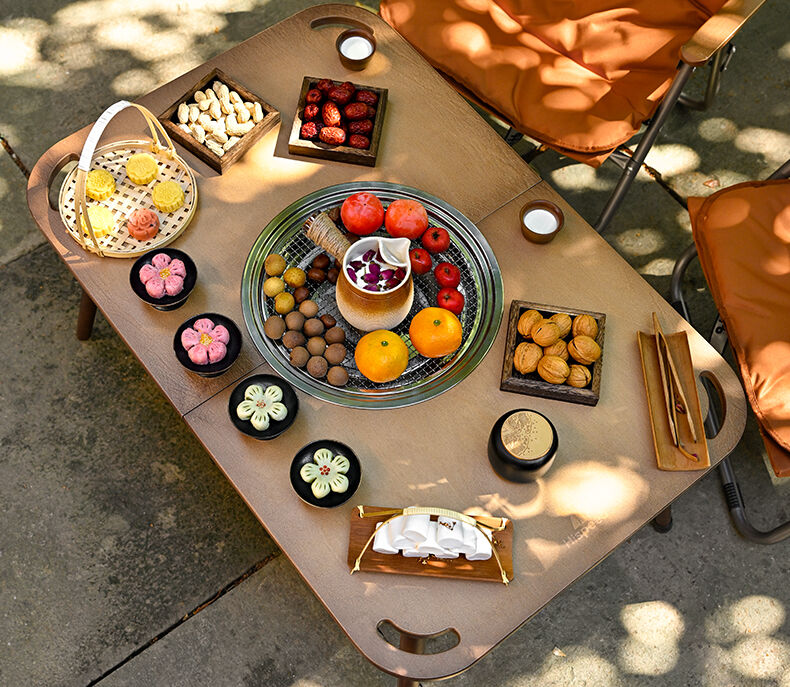
Outdoor adventures demand reliable equipment that can withstand the rigors of nature while providing functionality when you need it most. A quality camping table serves as the cornerstone of any successful outdoor experience, transforming a basic campsite into a comfortable base of operations. Whether you're preparing meals, playing games, or organizing gear, the right camping table makes all the difference between a frustrating trip and an unforgettable adventure.
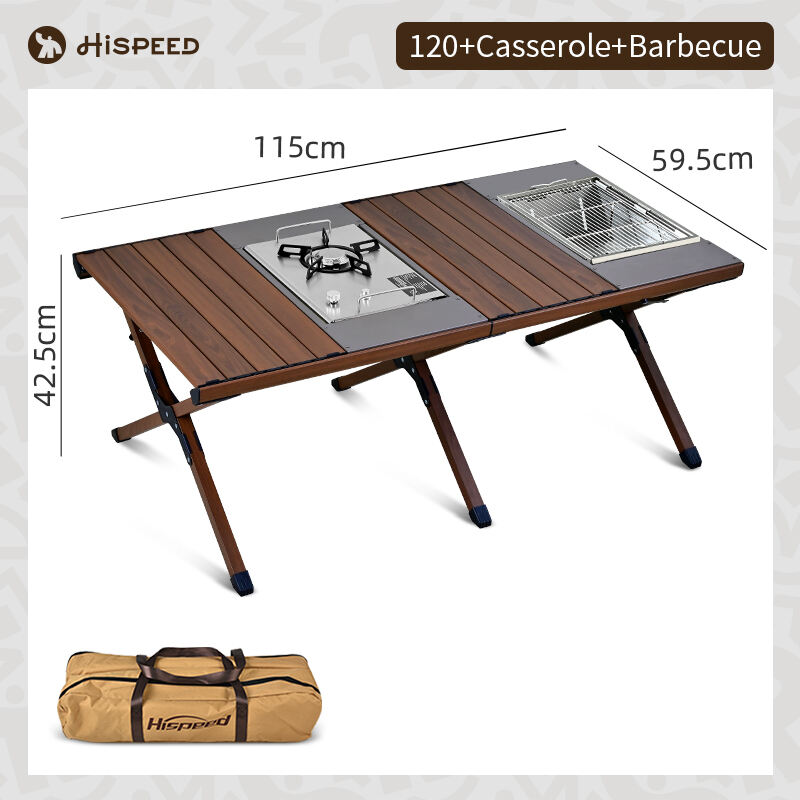
Modern outdoor enthusiasts expect more from their gear than previous generations. Today's camping table designs incorporate advanced materials, innovative folding mechanisms, and multi-functional features that cater to diverse outdoor activities. From lightweight backpacking expeditions to elaborate family car camping setups, understanding what constitutes an excellent camping table helps adventurers make informed decisions that enhance their outdoor experiences.
The evolution of portable outdoor furniture reflects broader trends in camping culture, where comfort and convenience increasingly complement traditional outdoor skills. Smart design choices in camping table construction address common pain points experienced by outdoor enthusiasts, such as uneven terrain challenges, limited storage space, and the need for durable surfaces that resist weather damage.
Essential Features of High-Quality Camping Tables
Material Construction and Durability
Premium camping table construction typically utilizes aluminum alloy frames that provide exceptional strength-to-weight ratios. These materials resist corrosion from moisture exposure while maintaining structural integrity under significant load stress. The tabletop surface should feature weather-resistant materials such as high-density polyethylene or powder-coated aluminum that can withstand temperature fluctuations without warping or cracking.
Quality hardware components including hinges, locks, and adjustment mechanisms determine long-term reliability. Stainless steel fasteners prevent rust accumulation, while reinforced connection points distribute weight evenly across the frame structure. A well-constructed camping table should handle typical outdoor abuse including sand, dirt, moisture, and temperature extremes without compromising functionality.
Surface treatment plays a crucial role in camping table performance. Heat-resistant coatings protect against hot cookware placement, while non-slip textures prevent items from sliding during windy conditions. Easy-clean surfaces reduce maintenance requirements, allowing campers to focus on enjoying their outdoor activities rather than equipment upkeep.
Weight and Portability Considerations
Portability remains paramount for outdoor gear selection. An ideal camping table balances substantial surface area with manageable transport weight. Compact folding designs enable easy storage in vehicle cargo areas or backpack compartments without sacrificing stability when deployed. Weight distribution affects carrying comfort during hiking approaches to remote campsites.
Folding mechanisms should operate smoothly without requiring excessive force or complex procedures. Tool-free assembly allows quick setup and breakdown, particularly valuable during adverse weather conditions or low-light situations. Carrying cases or straps integrated into the design facilitate transportation while protecting the table surface during storage.
Size optimization involves finding the sweet spot between adequate workspace and practical portability. Telescoping legs or modular components allow users to customize table height and surface area based on specific activity requirements. This adaptability proves especially valuable for extended camping trips involving diverse activities requiring different table configurations.
Size and Configuration Options
Standard Camping Table Dimensions
Typical camping table dimensions range from compact 60cm models suitable for solo camping to spacious 120cm versions accommodating family gatherings. Standard height measurements between 65-75cm provide comfortable working surfaces for most adults while accommodating standard camping chairs. Surface depth typically measures 45-60cm, providing adequate workspace without excessive bulk.
Weight capacity specifications indicate maximum load limits, typically ranging from 30kg for ultralight models to 75kg for heavy-duty versions. Understanding these limits helps campers select appropriate tables based on intended usage patterns. Distributed load handling differs from concentrated weight limits, affecting how equipment should be arranged on the table surface.
Folded dimensions significantly impact storage and transportation convenience. Compact folded profiles measuring under 15cm thickness fit easily into vehicle storage compartments or RV cabinets. Length and width when folded should align with available storage space constraints while maintaining structural integrity during transport.
Adjustable and Modular Designs
Advanced camping table designs incorporate adjustable leg systems accommodating uneven terrain commonly encountered in natural settings. Independent leg adjustment enables stable setup on slopes or irregular surfaces without requiring ground modification. Spring-loaded adjustment mechanisms provide quick height changes while maintaining secure locking positions.
Modular camping table systems allow users to combine multiple units creating larger work surfaces when needed. Interlocking edges or connector hardware enables seamless expansion while maintaining structural stability across joined sections. This flexibility proves valuable for group camping scenarios requiring variable table configurations throughout the trip duration.
Split-level designs incorporate multiple surface heights within a single camping table unit. Lower shelves provide storage space for cookware or supplies while maintaining primary work surface availability. These multi-tier configurations maximize functional space utilization without increasing the overall footprint significantly.
Specialized Features for Enhanced Functionality
Integrated Cooking Components
Modern camping table designs increasingly incorporate cooking functionality directly into their structure. Built-in stove mounting systems provide secure placement for portable cooking equipment while maintaining safe clearances from combustible materials. Heat-resistant zones accommodate hot cookware without damaging the table surface or creating safety hazards.
Integrated wind screens protect cooking flames from breezes that can affect cooking performance and fuel efficiency. Removable grill surfaces transform the camping table into a complete outdoor kitchen station, eliminating the need for separate cooking equipment. These multi-functional designs reduce overall gear requirements while maximizing campsite organization efficiency.
Ventilation channels and heat dissipation features prevent overheating during extended cooking sessions. Strategic placement of cooking zones maintains adequate workspace for food preparation activities. Safety features including automatic shutoffs and flame guards provide peace of mind during outdoor cooking operations.
Storage and Organization Solutions
Built-in storage compartments within camping table designs provide convenient organization for frequently used items. Mesh pockets accommodate lightweight supplies while secure zippered compartments protect valuable items from weather exposure. Strategic placement of storage areas maintains easy access without interfering with primary table functions.
Hanging hooks and equipment loops around the table perimeter provide attachment points for tools, utensils, and accessories. These features reduce clutter on the work surface while keeping essential items within easy reach. Cord management systems organize electrical cables for devices requiring power connections.
Removable organizer inserts allow customization based on specific activity requirements. Divided sections accommodate different types of supplies while maintaining organized arrangement. Quick-release mechanisms enable easy removal for cleaning or reconfiguration based on changing needs throughout the camping trip.
Setup and Assembly Requirements
Installation Process and Tools
Quality camping table designs prioritize tool-free assembly procedures that minimize setup complexity. Intuitive folding mechanisms should operate smoothly without requiring excessive force or complicated sequences. Clear visual indicators help users identify proper assembly positions even in low-light conditions common during early morning or evening setup periods.
Locking mechanisms must engage securely to prevent accidental collapse during use. Positive feedback through audible clicks or visual confirmations indicates proper lock engagement. Safety releases should be easily accessible but not prone to accidental activation during normal table usage.
Assembly time directly impacts camping table utility, particularly during adverse weather conditions. Models requiring less than five minutes for complete setup provide practical advantage over complex designs. Practice assembly procedures at home ensure smooth deployment in challenging outdoor environments.
Stability and Leveling
Ground contact points determine overall camping table stability on various terrain types. Wide foot pads distribute weight effectively on soft surfaces while preventing sinking into sand or mud. Adjustable feet accommodate uneven ground conditions without compromising structural stability.
Cross-bracing systems enhance lateral stability, particularly important during windy conditions or when significant loads are applied asymmetrically. Proper triangulation in the support structure prevents wobbling or tipping during normal usage. Reinforcement at stress concentration points extends service life under demanding outdoor conditions.
Level indicators assist users in achieving proper table orientation on sloped terrain. Built-in bubble levels or digital displays provide accurate reference points for optimal setup. Maintaining proper level orientation improves functionality while preventing spills or equipment displacement during use.
Maintenance and Care Guidelines
Cleaning and Storage Procedures
Regular maintenance procedures extend camping table service life while maintaining optimal performance characteristics. Simple cleaning protocols using mild soap solutions remove accumulated dirt and debris without damaging surface treatments. Thorough rinsing eliminates soap residue that could attract additional contamination during storage periods.
Proper drying procedures prevent corrosion development on metal components. Complete moisture removal from folding joints and adjustment mechanisms maintains smooth operation over time. Lubrication of moving parts with appropriate materials prevents binding while ensuring continued functionality.
Storage environment selection protects camping table components from temperature extremes and moisture exposure. Indoor storage in climate-controlled areas provides optimal protection, while covered outdoor storage requires additional protective measures. Protective covers shield surfaces from dust accumulation and UV damage during extended storage periods.
Repair and Replacement Considerations
Common wear points on camping table designs include hinges, adjustment mechanisms, and surface materials subject to repetitive stress. Preventive maintenance addresses these areas before failure occurs, reducing the likelihood of field repairs during camping trips. Regular inspection procedures identify developing issues requiring attention.
Replacement part availability affects long-term ownership costs and equipment reliability. Manufacturers offering comprehensive parts support provide better value over the product lifetime. Generic replacement components may fit properly but could compromise original performance specifications or safety margins.
Field repair capabilities depend on design accessibility and component complexity. Simple repairs using basic tools extend useful life in remote locations where replacement options are limited. Modular designs facilitate component replacement without affecting entire system functionality.
FAQ
What weight capacity should I look for in a camping table?
Most quality camping table models offer weight capacities between 30-75kg depending on their intended use and construction materials. For general camping activities including food preparation and dining, a 45-50kg capacity provides adequate support for typical loads. Heavy-duty applications requiring support for large coolers or extensive cooking equipment benefit from models rated at 65kg or higher. Always consider both distributed weight limits and concentrated load specifications when evaluating capacity requirements.
How do I choose the right size camping table for my needs?
Camping table size selection depends on group size, available storage space, and intended activities. Solo campers typically find 60-90cm lengths adequate, while families benefit from 120cm or larger surfaces. Consider both unfolded dimensions for functionality and folded size for transportation constraints. Height adjustability accommodates different users and activities, making it a valuable feature for versatile applications.
Are aluminum camping tables better than other materials?
Aluminum construction offers excellent strength-to-weight ratios making it ideal for portable camping table applications. Aluminum resists corrosion better than steel while providing superior durability compared to plastic alternatives. The material handles temperature variations well and maintains structural integrity under outdoor conditions. However, aluminum may show scratches more readily than some alternatives, though this rarely affects functionality.
Can camping tables handle hot cookware and food items?
Quality camping table surfaces incorporate heat-resistant materials and coatings designed to handle moderate heat exposure from cookware and food containers. However, direct contact with extremely hot items like cast iron pans or grilling equipment may cause damage. Use trivets, hot pads, or designated heat-resistant zones when available. Some specialized camping table designs include integrated heat-resistant areas specifically intended for cooking equipment placement.