 EN
EN

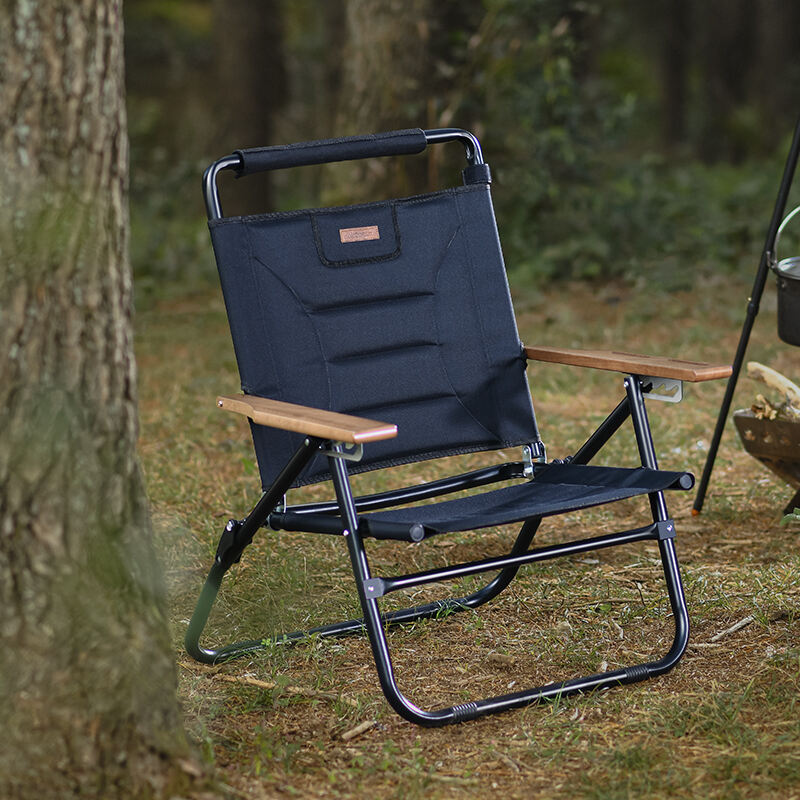
Selecting the perfect camping chair can transform your outdoor adventures from uncomfortable experiences into relaxing getaways. Whether you're planning a weekend camping trip, attending an outdoor festival, or simply enjoying your backyard, the right camping chair provides essential comfort and support for extended periods of outdoor relaxation. With countless options available in today's market, understanding the key features and considerations will help you make an informed decision that meets your specific outdoor seating needs.
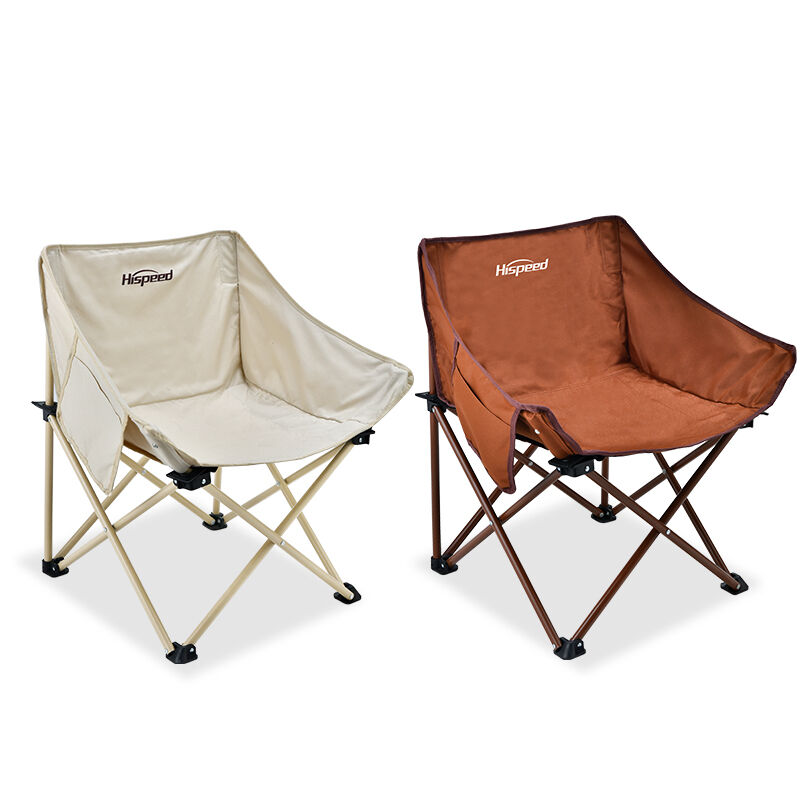
The modern camping chair has evolved significantly from basic folding seats to sophisticated outdoor furniture designed for durability, comfort, and convenience. Today's camping enthusiasts demand more from their portable seating solutions, seeking chairs that balance weight considerations with comfort features. Understanding these evolving needs helps manufacturers create innovative designs that cater to diverse outdoor activities and personal preferences.
Essential Features to Consider When Selecting Your Camping Chair
Weight Capacity and Structural Durability
The weight capacity of a camping chair represents one of the most critical safety and performance factors to evaluate before making your purchase. Most standard camping chairs support between 225 to 300 pounds, while heavy-duty models can accommodate up to 400 pounds or more. Always choose a camping chair with a weight rating significantly higher than your body weight to ensure long-term durability and safety during extended use.
Frame construction materials directly impact both weight capacity and overall longevity of your camping chair. Steel frames typically offer superior strength and stability but add considerable weight to the overall unit. Aluminum frames provide an excellent balance between strength and portability, making them popular choices for backpacking and car camping scenarios. High-quality camping chair models often feature reinforced joints and stress points to prevent common failure areas.
Comfort Features and Ergonomic Design
Comfort features can make the difference between enjoying your outdoor experience and counting the minutes until you can find alternative seating. Look for a camping chair with adequate back support, appropriate seat depth, and armrests positioned at comfortable heights. Padded seats and backrests enhance comfort significantly, especially during extended sitting periods common in camping and outdoor activities.
Ergonomic considerations become increasingly important for longer camping trips where your camping chair serves as your primary seating option for meals, relaxation, and socializing. Chairs with slight recline angles often provide better comfort than completely upright designs. Consider models with adjustable features if you prioritize customizable comfort for different activities and personal preferences.
Portability and Storage Considerations
Compact Folding Mechanisms
The folding mechanism of your camping chair directly impacts how easily you can transport and store the unit between outdoor adventures. Traditional folding chairs collapse along predetermined hinge points, while more advanced models may feature telescoping legs or innovative folding patterns that create more compact storage profiles. A well-designed camping chair should fold and unfold smoothly without requiring excessive force or complicated procedures.
Consider the folded dimensions carefully if you have limited vehicle storage space or need to carry your camping chair significant distances. Some ultra-compact models sacrifice stability or comfort for portability, so evaluate your specific needs and usage patterns. Chairs with carrying bags or built-in shoulder straps offer additional convenience for transport to and from your camping location.
Weight Considerations for Different Camping Styles
Backpacking requires ultra-lightweight camping chair options that won't significantly impact your total pack weight, typically ranging from one to three pounds. Car camping allows for heavier, more comfortable chairs since weight becomes less critical when you can drive close to your campsite. Consider your primary camping style when evaluating weight trade-offs against comfort and durability features.
Multi-day hiking trips demand careful weight consideration for every piece of equipment, including your camping chair selection. Lightweight options often utilize premium materials and construction techniques that may increase cost but provide essential weight savings. Balance your budget constraints against the practical benefits of reduced carrying weight during extended outdoor excursions.
Material Quality and Weather Resistance
Fabric Selection and Durability
The fabric material of your camping chair determines both comfort and longevity when exposed to outdoor conditions. High-denier polyester fabrics offer excellent durability and resistance to tears, while mesh materials provide superior breathability in warm climates. Canvas materials provide classic appearance and durability but may retain moisture longer than synthetic alternatives.
Weather-resistant treatments on camping chair fabrics help prevent mold, mildew, and UV damage during extended outdoor exposure. Look for fabrics with water-resistant coatings if you frequently camp in damp conditions or want protection against unexpected weather changes. Quality fabric construction includes reinforced stitching at stress points to prevent premature failure.
Frame Materials and Corrosion Resistance
Frame material selection significantly impacts the long-term performance and reliability of your camping chair in various environmental conditions. Powder-coated aluminum frames resist corrosion while maintaining lightweight characteristics ideal for portable outdoor furniture. Stainless steel components in joint areas provide enhanced durability where stress concentration occurs most frequently.
Protective finishes on metal components help prevent rust and corrosion when exposed to moisture, salt air, and other environmental factors common in outdoor settings. Regular maintenance and proper storage extend the lifespan of your camping chair regardless of frame material selection. Consider the typical environmental conditions of your camping destinations when evaluating material options.
Budget Considerations and Value Assessment
Price Ranges and Feature Correlations
Entry-level camping chair options typically range from twenty to fifty dollars and provide basic functionality suitable for occasional use or budget-conscious campers. Mid-range models between fifty and one hundred dollars often include enhanced comfort features, better materials, and improved durability for regular camping enthusiasts. Premium camping chair options exceeding one hundred dollars incorporate advanced materials, specialized features, and superior construction quality.
Evaluate the cost-per-use ratio when considering camping chair investments, especially if you camp frequently or for extended periods. Higher initial costs may provide better long-term value through improved durability, comfort, and satisfaction during outdoor activities. Consider your camping frequency, typical trip duration, and personal comfort priorities when establishing budget parameters.
Long-term Investment Perspective
Quality camping chair investments often provide years of reliable service when properly maintained and stored between uses. Calculate the annual cost of ownership by dividing the purchase price by expected years of service to understand true value propositions. Premium materials and construction techniques typically justify higher costs through extended product lifecycles and enhanced user experiences.
Warranty coverage and manufacturer support add additional value to camping chair purchases, providing protection against premature failures and manufacturing defects. Research brand reputation and customer service quality before finalizing your camping chair selection. Established outdoor equipment manufacturers often provide superior warranty coverage and replacement part availability.
Specialized Features for Enhanced Outdoor Experience
Additional Comfort and Convenience Features
Modern camping chair designs often incorporate cup holders, side pockets, and storage compartments that enhance convenience during outdoor activities. Integrated cooler compartments keep beverages cold while providing easy access without leaving your seat. Some models include removable pillows, lumbar support, or footrests for maximum relaxation during extended camping periods.
Adjustable components allow customization of your camping chair configuration for different activities and personal preferences. Reclining mechanisms enable comfortable positioning for reading, napping, or stargazing during your outdoor adventures. Consider which additional features align with your typical camping activities and personal comfort preferences when evaluating specialized options.
Climate-Specific Design Considerations
Hot climate camping benefits from camping chair designs with breathable mesh panels and ventilation features that promote airflow and reduce heat retention. Lightweight colors reflect sunlight and help maintain cooler surface temperatures during extended sun exposure. Consider chairs with built-in shade canopies if you frequently camp in areas with limited natural shade coverage.
Cold weather camping requires camping chair materials that remain flexible and comfortable at lower temperatures. Insulated seat cushions provide thermal barriers between your body and cold ground or air temperatures. Wind-resistant designs with lower profiles may perform better in exposed camping locations where weather protection becomes essential.
Maintenance and Care Guidelines
Cleaning and Storage Best Practices
Proper maintenance extends the lifespan and performance of your camping chair investment through regular cleaning and appropriate storage techniques. Remove dirt, sand, and debris after each use to prevent abrasive damage to fabric and mechanical components. Use mild soap solutions and soft brushes to clean fabric surfaces without damaging protective coatings or treatments.
Thorough drying before storage prevents mold, mildew, and corrosion that can compromise camping chair integrity over time. Store folded chairs in dry, ventilated areas away from direct sunlight and extreme temperatures. Periodic inspection of joints, fabric, and hardware helps identify potential issues before they become significant problems requiring replacement.
Repair and Replacement Considerations
Understanding common camping chair failure modes helps you identify when repairs are feasible versus when replacement becomes necessary. Fabric tears often respond well to patch repairs using appropriate materials and techniques. Frame damage typically requires professional evaluation to determine structural integrity and safety implications.
Replacement part availability varies significantly between manufacturers and camping chair models, affecting long-term serviceability and cost effectiveness. Research parts availability and repair service options before purchasing, especially for premium camping chair investments. Some manufacturers offer comprehensive repair services while others focus primarily on replacement sales.
FAQ
What weight capacity should I look for in a camping chair
Choose a camping chair with a weight capacity at least 50 pounds higher than your body weight to ensure safety and durability. Standard models typically support 225-300 pounds, while heavy-duty options can handle 400 pounds or more. Higher weight ratings generally indicate stronger construction that will last longer even under normal use conditions.
How do I determine the right size camping chair for my needs
Consider your height, body proportions, and intended use when selecting camping chair dimensions. Taller individuals need chairs with higher backs and deeper seats for proper support, while shorter people may find standard proportions more comfortable. Test different sizes when possible, or research manufacturer sizing guidelines to ensure proper fit.
Are expensive camping chairs worth the additional cost
Premium camping chairs often justify higher costs through superior materials, enhanced comfort features, and extended durability for frequent users. If you camp regularly or for extended periods, investing in quality seating improves your overall outdoor experience significantly. Occasional users may find mid-range options provide adequate performance at lower cost points.
How should I store my camping chair between uses
Store your camping chair in a clean, dry location away from direct sunlight and extreme temperatures. Ensure the chair is completely clean and dry before folding and storing to prevent mold, mildew, and corrosion. Use breathable storage bags if available, and avoid placing heavy objects on folded chairs that could damage frames or fabric.