 EN
EN

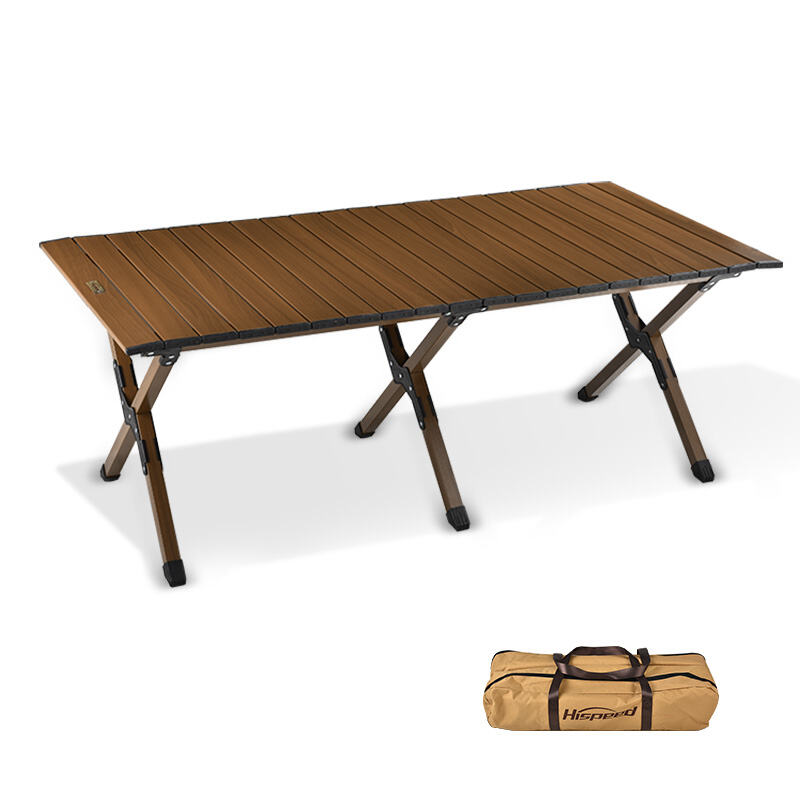
Living in compact spaces has become increasingly common in today's urban environments, making efficient furniture solutions more essential than ever. A foldable table represents the perfect marriage of functionality and space-saving design, offering versatility that traditional fixed furniture simply cannot match. These innovative pieces transform how we approach interior design in apartments, tiny homes, studios, and any environment where square footage comes at a premium. The genius of a foldable table lies in its ability to disappear when not needed while providing full functionality when deployed.
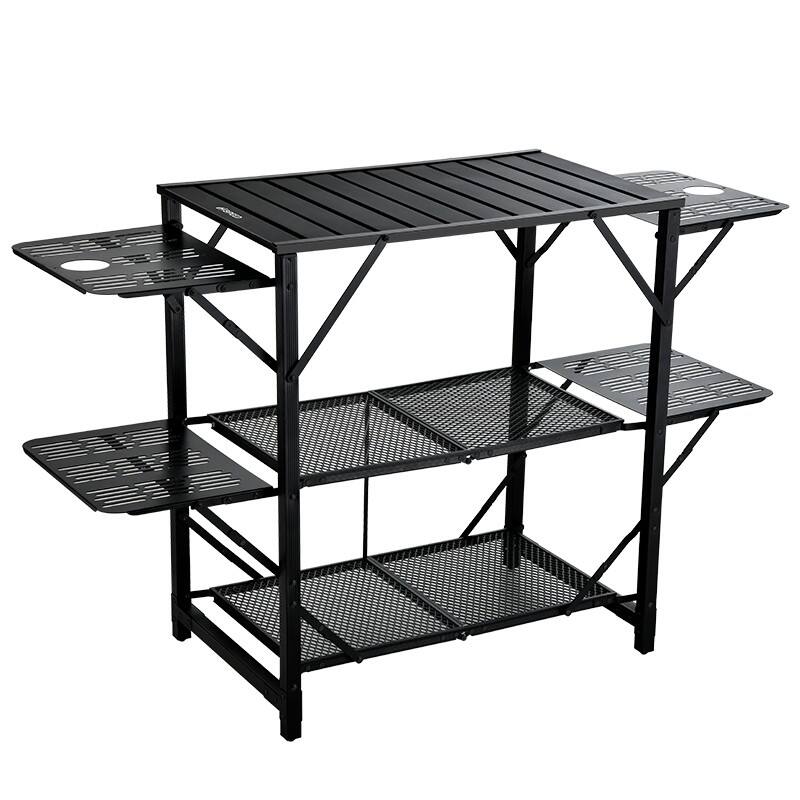
Space-Saving Design Principles
Vertical Storage Capabilities
The fundamental advantage of any quality foldable table centers on its remarkable vertical storage potential. Unlike conventional tables that occupy consistent floor space regardless of usage, these adaptive pieces can be tucked against walls, slipped behind doors, or stored in closets with minimal footprint impact. This vertical storage capability transforms previously unusable wall space into functional storage areas. Modern foldable table designs often incorporate slim profiles when collapsed, with some models achieving thickness measurements of just two to three inches.
Professional interior designers consistently recommend foldable tables for clients dealing with space constraints because they eliminate the permanent visual bulk that traditional furniture creates. The psychological impact of reduced visual clutter cannot be overstated in small living environments. When a foldable table disappears from view, the entire room feels more spacious and less cramped, contributing to improved mental well-being and reduced stress levels associated with confined living spaces.
Multi-Purpose Functionality
Exceptional foldable table designs serve multiple roles throughout daily life, adapting to various needs without requiring separate furniture pieces for each function. During morning routines, the same surface might serve as a breakfast table, then transform into a work desk for remote employment, and later become a crafting station or homework area. This adaptability eliminates the need for multiple specialized furniture pieces, which would otherwise consume precious space and budget resources.
The multi-purpose nature extends beyond simple surface provision to include storage integration in many modern designs. Some foldable table models incorporate built-in compartments, drawers, or hanging organizers that maximize utility while maintaining the compact storage profile. These additional features make each piece work harder, justifying the investment while reducing overall furniture requirements throughout the living space.
Material Construction and Durability
Lightweight Yet Sturdy Framework
Premium foldable table construction balances weight considerations with structural integrity through careful material selection and engineering design. Aluminum alloys frequently appear in high-quality models because they provide excellent strength-to-weight ratios while resisting corrosion and maintaining appearance over time. Steel reinforcements at critical stress points ensure long-term reliability without adding unnecessary bulk to the overall design.
The folding mechanisms themselves represent critical engineering components that determine both durability and user experience. Quality hinges, locking systems, and support brackets must withstand repeated folding cycles while maintaining precise alignment and stable operation. Manufacturers specializing in space-saving furniture often conduct extensive testing to ensure their foldable table products can endure thousands of folding operations without degradation in performance or safety.
Surface Materials and Maintenance
Surface selection significantly impacts both the aesthetic appeal and practical functionality of any foldable table. High-pressure laminate surfaces offer excellent resistance to scratches, heat, and moisture while maintaining easy cleaning characteristics essential for multi-purpose furniture. These surfaces can withstand the diverse demands of dining, working, crafting, and other activities without showing premature wear signs.
Maintenance requirements vary considerably based on surface materials and intended usage patterns. Sealed wood surfaces require periodic conditioning but offer natural beauty that enhances interior aesthetics. Synthetic materials like melamine or engineered composites provide virtually maintenance-free operation while delivering consistent performance across various environmental conditions. The choice between materials often depends on specific user priorities regarding appearance, durability, and maintenance preferences.
Installation and Setup Considerations
Wall-Mounted Options
Wall-mounted foldable table installations maximize floor space utilization while providing permanent availability without storage hassles. These systems typically require secure mounting to wall studs or appropriate anchoring systems capable of supporting both the table weight and intended load capacity. Professional installation often proves worthwhile to ensure proper weight distribution and safety compliance, particularly in rental properties where structural modifications require landlord approval.
Height positioning for wall-mounted foldable table units requires careful consideration of intended users and primary applications. Standard desk height measurements work well for computer work and writing tasks, while dining height positioning better accommodates meal service and social activities. Some adjustable mounting systems allow height modification after installation, providing flexibility as needs change over time.
Portable Configuration Benefits
Portable foldable table designs offer maximum flexibility by eliminating permanent installation requirements while maintaining easy transport capabilities. These units excel in situations requiring occasional use or frequent relocation, such as craft projects, seasonal activities, or temporary work stations. The ability to move a foldable table between indoor and outdoor environments extends utility beyond traditional furniture limitations.
Storage considerations for portable units focus on accessibility and protection during non-use periods. Dedicated storage areas should accommodate the folded dimensions while protecting surfaces from damage during handling. Some users prefer vertical storage systems that keep portable foldable table units readily accessible, while others incorporate them into existing closet organization systems for maximum space efficiency.
Size and Capacity Options
Compact Personal Use Models
Individual-focused foldable table designs prioritize personal workspace creation in extremely limited areas. These compact models typically provide sufficient surface area for laptop computers, tablets, books, or light meals while folding to remarkably small storage profiles. Dimensions often range from 24 to 36 inches in length with proportional width measurements that accommodate single-person activities effectively.
Weight capacity considerations for compact foldable table units usually target 25 to 50 pounds, sufficient for typical personal items while maintaining lightweight portability. The engineering focus emphasizes stability during use rather than maximum load capacity, with properly designed units providing rock-solid performance within their intended parameters. These specifications make compact models ideal for studio apartments, dorm rooms, or supplementary workspace creation in larger homes.
Extended Family Dining Surfaces
Larger foldable table configurations accommodate family dining and group activities while maintaining space-saving storage capabilities when not required. These expanded models often feature sophisticated support systems and reinforced construction to handle increased weight loads and surface stress from multiple users. Seating capacity typically ranges from four to eight people, depending on specific model dimensions and configuration options.
The folding mechanisms for larger foldable table units require more robust engineering to manage increased size and weight while maintaining smooth operation. Some designs incorporate multiple folding points or telescoping sections to achieve compact storage despite expanded use dimensions. These advanced systems often include locking mechanisms at multiple points to ensure stability and safety during use with multiple occupants.
Cost-Effectiveness Analysis
Initial Investment Considerations
Quality foldable table investments typically require higher upfront costs compared to basic fixed furniture, but this premium reflects the advanced engineering and specialized manufacturing required for reliable folding mechanisms. The cost differential often justifies itself through reduced need for multiple furniture pieces and decreased storage space requirements. Budget-conscious consumers can find acceptable foldable table options across various price ranges, with entry-level models providing basic functionality for occasional use.
Long-term value calculations should consider durability, versatility, and space savings when evaluating foldable table purchases. Premium models with superior construction materials and mechanisms often provide decades of reliable service, making the cost-per-use calculation highly favorable compared to replacing multiple lower-quality alternatives. The ability to adapt to changing needs over time adds additional value that fixed furniture cannot match.
Maintenance and Replacement Economics
Ongoing maintenance costs for quality foldable table units typically remain minimal with proper care and appropriate usage patterns. Regular cleaning, occasional lubrication of moving parts, and protection from extreme environmental conditions usually suffice to maintain optimal performance over extended periods. The modular nature of many designs allows component replacement rather than complete unit disposal when specific elements wear out.
Replacement economics favor foldable table investments because their compact storage and transportation characteristics reduce disposal costs while maintaining resale value better than bulky conventional furniture. The specialized nature and ongoing demand for space-saving solutions help preserve market value even for used units in good condition. This retained value provides additional economic justification for initial premium pricing.
FAQ
What weight capacity should I expect from a standard foldable table?
Most quality foldable table designs support between 30 to 100 pounds depending on size and construction materials. Compact personal models typically handle 25-50 pounds comfortably, while larger family-sized units often support 75-150 pounds when properly set up and used within manufacturer specifications. Always check specific weight ratings before purchasing to ensure the unit meets your intended usage requirements.
How much space does a foldable table actually save compared to fixed furniture?
A typical foldable table reduces its storage footprint by 85-95% compared to equivalent fixed furniture when properly folded and stored. A dining table that occupies 20 square feet during use might require only 1-2 square feet of wall or closet space when folded, representing dramatic space efficiency improvements. The exact savings depend on specific model design and storage method utilized.
Are foldable tables suitable for daily use or just occasional needs?
High-quality foldable table units excel in daily use applications when properly selected and maintained according to manufacturer guidelines. Many users report years of daily service from premium models without performance degradation. The key lies in choosing appropriately rated units for intended usage patterns and avoiding overloading or misuse that could compromise folding mechanisms.
What maintenance is required to keep a foldable table functioning properly?
Regular maintenance for most foldable table designs involves simple cleaning of surfaces and occasional lubrication of hinges and locking mechanisms with appropriate products. Monthly inspection of fasteners and connection points helps identify any loosening that might require attention. Proper storage in dry conditions and protection from extreme temperatures extends service life significantly while minimizing maintenance requirements.