 EN
EN

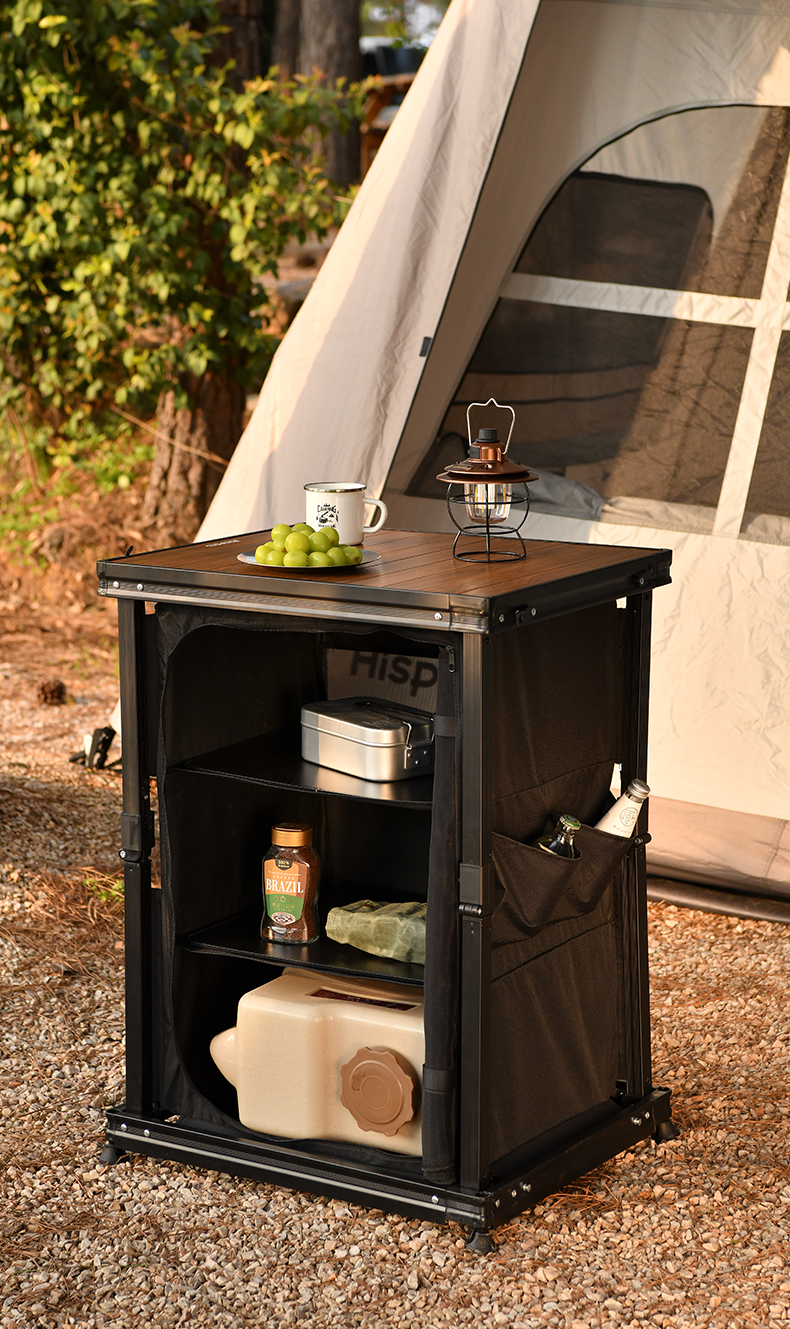
Selecting the right camping table can transform your outdoor dining experience from awkward and uncomfortable to enjoyable and functional. Whether you're planning a weekend camping trip with family or embarking on a solo adventure, understanding how different camping table sizes meet various needs is essential for making an informed purchase decision.
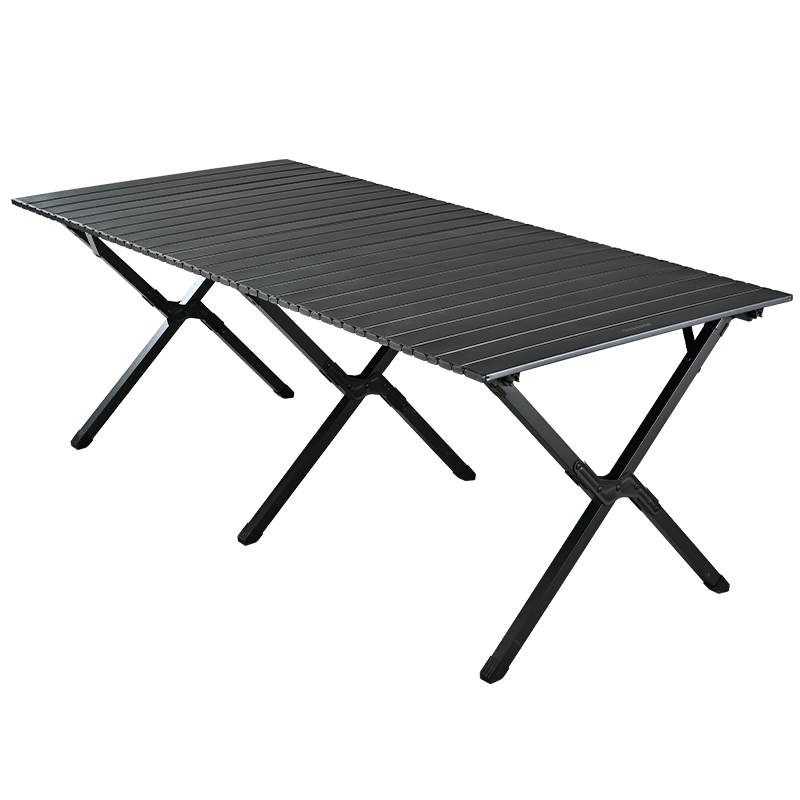
The camping table market offers numerous size options, each designed to accommodate different group sizes, activities, and storage requirements. From compact personal tables that fit easily in a backpack to large family-sized surfaces that comfortably seat six people, understanding the relationship between size, functionality, and portability will help you choose the perfect camping table for your specific outdoor needs.
Understanding Standard Camping Table Dimensions
Personal and Compact Table Sizes
Personal camping table options typically measure between 24 to 36 inches in length and 16 to 24 inches in width. These smaller camping table designs prioritize portability and weight reduction, making them ideal for backpackers and solo campers who need to minimize their gear load. The compact size allows for easy packing while still providing adequate surface area for basic meal preparation and dining needs.
Most personal camping table models fold down to dimensions smaller than a briefcase, weighing between 3 to 8 pounds. Despite their compact nature, these tables often feature adjustable leg heights and sturdy construction materials that can support weights ranging from 30 to 60 pounds, making them surprisingly versatile for their size category.
Mid-Size Family Tables
Mid-size camping table options generally range from 48 to 60 inches in length and 24 to 30 inches in width. These dimensions strike an excellent balance between functionality and transportability, accommodating 4 to 6 people comfortably for dining while remaining manageable for car camping scenarios. The increased surface area allows for more elaborate meal preparation and provides space for camping accessories like lanterns, coolers, and cooking equipment.
The weight range for mid-size camping table models typically falls between 15 to 25 pounds, which requires some planning for transport but remains reasonable for most camping situations. These tables often feature enhanced stability mechanisms and can support significantly more weight than their compact counterparts, often handling loads between 80 to 150 pounds.
Group Size Considerations for Table Selection
Solo and Couple Camping Requirements
When camping alone or as a couple, a smaller camping table measuring approximately 30 by 20 inches provides sufficient space for two place settings, basic food preparation, and essential camping gear organization. This size category offers the advantage of quick setup and takedown, which proves particularly valuable when frequent campsite changes are planned during multi-day trips.
Solo campers often prefer camping table designs that can double as a workspace for activities like reading, writing, or equipment maintenance. The compact surface area encourages efficient organization while the lighter weight facilitates easier transport during hiking or backpacking adventures where every ounce matters for overall pack weight management.
Family and Large Group Needs
Families with children or larger camping groups require camping table surfaces that can accommodate multiple people simultaneously while providing adequate elbow room and space for shared meals. Tables measuring 60 inches or longer and at least 30 inches wide can comfortably seat 6 to 8 people, depending on chair arrangements and individual space preferences.
Large camping table configurations often feature additional design elements like cup holders, side shelves, or integrated storage compartments that enhance functionality for group camping scenarios. These features become increasingly important when managing multiple meals, snacks, beverages, and camping accessories that accumulate during extended family camping trips.
Activity-Specific Size Requirements
Cooking and Food Preparation Needs
When your camping table serves primarily as a cooking workspace, surface dimensions become critical for safety and efficiency. A cooking-focused camping table should provide at least 36 inches of length to accommodate camp stoves, cutting boards, and ingredient preparation areas while maintaining safe distances between heat sources and flammable materials.
Height adjustability becomes particularly important for cooking applications, as different tasks require various working heights for optimal ergonomics and safety. Many camping table models designed for cooking feature heat-resistant surfaces and additional stability features to handle the weight and movement associated with food preparation activities.
Multi-Purpose Usage Scenarios
A versatile camping table serves multiple functions throughout a camping trip, from dining surface to game table to workspace for various activities. Multi-purpose tables typically require larger dimensions, usually measuring at least 48 by 30 inches, to accommodate different usage scenarios without compromising functionality in any single application.
The ability to transform a camping table from dining configuration to activity workspace adds significant value to the overall camping experience. Tables with modular designs or adjustable components allow campers to customize the surface area and height based on immediate needs, maximizing utility while minimizing the need for multiple pieces of furniture.
Storage and Transport Considerations
Vehicle Space Limitations
Vehicle storage capacity directly impacts camping table size selection, particularly for car camping where gear must fit within available trunk or cargo space alongside other essential camping equipment. Folded camping table dimensions should be measured and compared against available vehicle storage areas before making a final purchasing decision.
Modern camping table designs often feature innovative folding mechanisms that significantly reduce packed dimensions compared to their deployed size. Some models fold in half multiple times, while others telescope or use roll-up surfaces that pack into compact carrying cases, maximizing space efficiency for transport purposes.
Weight Distribution and Portability
The relationship between camping table size and weight affects overall portability, especially for camping situations requiring manual transport over distances. Larger tables generally weigh more but may offer better weight-to-surface-area ratios, making them more efficient choices for group camping where the weight burden can be distributed among multiple people.
Advanced materials like aluminum alloys and composite construction allow larger camping table designs to maintain reasonable weights while providing increased durability and stability. These material innovations have expanded the practical size range available to campers without proportionally increasing transport difficulty.
Material Impact on Size Selection
Aluminum Construction Benefits
Aluminum camping table construction allows for larger surface areas without excessive weight penalties, making it possible to choose bigger tables for group camping scenarios. The strength-to-weight ratio of aluminum enables manufacturers to create camping table designs with generous dimensions while maintaining portability for car camping and RV applications.
Weather resistance inherent in aluminum construction means larger camping table surfaces can withstand extended outdoor exposure without degradation. This durability factor makes investment in a larger aluminum camping table more cost-effective over time compared to smaller tables that may require frequent replacement due to weather damage.
Steel and Composite Options
Steel construction typically results in heavier camping table designs but offers superior stability and load-bearing capacity for larger surfaces. When maximum stability is required for a large camping table, steel frames provide confidence for heavy-duty applications while maintaining reasonable costs compared to specialized lightweight materials.
Composite materials and engineered surfaces allow camping table manufacturers to optimize size-to-weight ratios while incorporating features like integrated storage, cup holders, and specialized surface textures. These advanced materials often enable larger camping table designs with innovative folding mechanisms that wouldn't be possible with traditional materials.
Budget Considerations for Different Sizes
Cost Per Square Inch Analysis
Evaluating camping table options based on cost per square inch of surface area helps identify the best value propositions across different size categories. Larger camping table models often provide better cost efficiency when measured by surface area, making them attractive options for groups who can utilize the additional space effectively.
Premium features like adjustable heights, integrated accessories, and advanced materials typically increase costs regardless of camping table size. Understanding which features provide genuine value for your specific camping style helps optimize budget allocation when comparing tables across different size categories.
Long-Term Value Assessment
Investing in a properly sized camping table that meets current and anticipated future needs often proves more economical than purchasing multiple smaller tables over time. A quality camping table that accommodates family growth or changing camping preferences provides better long-term value than frequent upgrades to larger sizes.
Durability factors become increasingly important as camping table size increases, since larger tables typically represent higher investments and receive more intensive use during group camping activities. Quality construction materials and robust design features justify premium pricing for camping table options that will provide years of reliable service.
FAQ
What size camping table works best for a family of four?
A camping table measuring 48 to 60 inches in length and at least 30 inches in width provides comfortable seating and adequate surface area for a family of four. This size allows each person sufficient elbow room while providing space for shared items like condiments, beverages, and serving dishes. Consider your family's dining habits and whether you prefer more intimate seating or generous personal space when selecting within this size range.
How do I determine if a camping table will fit in my vehicle?
Measure your vehicle's cargo area dimensions and compare them to the folded dimensions of potential camping table choices. Most manufacturers provide both deployed and packed dimensions in their specifications. Remember to account for other camping gear that will share the same storage space, and consider how the table's shape when folded affects packing efficiency with your other equipment.
Can a larger camping table be too big for certain campsites?
Yes, some campsites have limited level ground or restricted space between trees, rocks, or other natural features that may not accommodate larger camping table setups. Research typical campsite conditions for your planned destinations, and consider choosing a camping table size that provides flexibility for various site conditions rather than maximizing surface area at the expense of setup versatility.
What weight capacity should I expect from different camping table sizes?
Small personal camping table models typically support 30 to 60 pounds, while mid-size family tables handle 80 to 150 pounds, and large group tables can support 150 to 250 pounds or more. Weight capacity depends more on construction quality and materials than pure size, so verify manufacturer specifications rather than assuming larger tables automatically support proportionally more weight than smaller alternatives.