Minimal Maintenance and Maximum Durability Construction
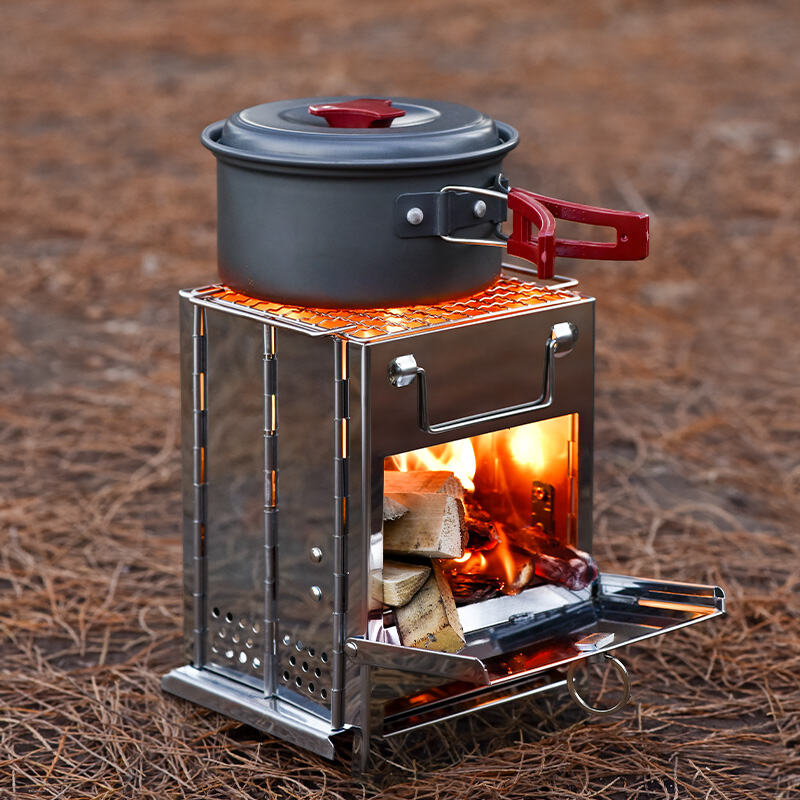
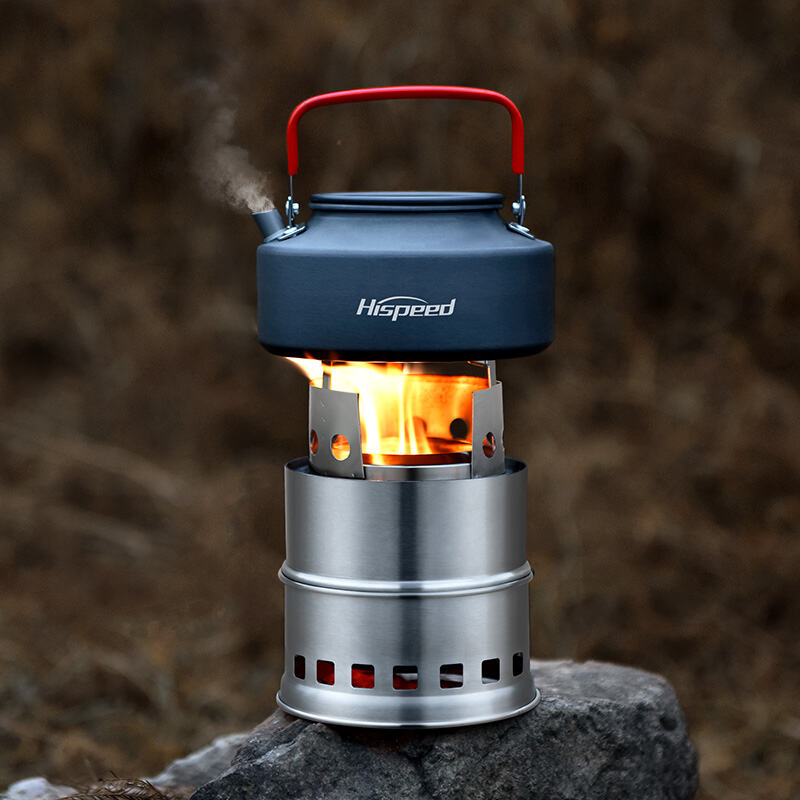
The solid fuel camping stove excels in long-term reliability through its robust construction methodology and minimal maintenance requirements that make it the most durable cooking solution available for serious outdoor enthusiasts and professional wilderness users. The engineering approach prioritizes mechanical simplicity by eliminating complex fuel delivery systems, pressure regulators, electronic ignition components, and precision-manufactured parts that commonly fail or require frequent maintenance in gas and liquid fuel alternatives. Construction materials typically include high-grade stainless steel, titanium alloys, or aircraft-grade aluminum that resist corrosion, withstand extreme temperatures, and maintain structural integrity through years of intensive outdoor use and exposure to harsh environmental conditions. The absence of moving parts, seals, gaskets, or pressurized connections eliminates the most common failure points found in conventional camping stoves, resulting in exceptional operational longevity that often spans decades with minimal care or component replacement needs. Cleaning procedures remain straightforward and require only basic ash removal and occasional surface cleaning, compared to the complex maintenance schedules, seal replacements, and precision cleaning required by gas stove systems. Field repair capabilities become virtually unlimited, as the simple construction allows users to address any potential issues using basic tools and improvised materials commonly available during outdoor adventures, eliminating the need for specialized replacement parts or professional service procedures. Storage resilience allows the solid fuel camping stove to remain packed away for extended periods without deterioration or performance degradation, unlike gas stoves that require periodic operation and seal maintenance to prevent component failure. The folding design mechanisms utilize robust hinge systems and locking mechanisms engineered to withstand repeated assembly and disassembly cycles without loosening or breaking, ensuring consistent stability during cooking operations throughout the product lifespan. Manufacturing quality standards typically exceed those required for conventional camping equipment, as solid fuel camping stove producers recognize that their customers depend on absolute reliability in remote locations where equipment failure could create serious safety concerns, resulting in products that consistently outperform durability expectations and provide exceptional value through extended service life and minimal ownership costs.
 EN
EN