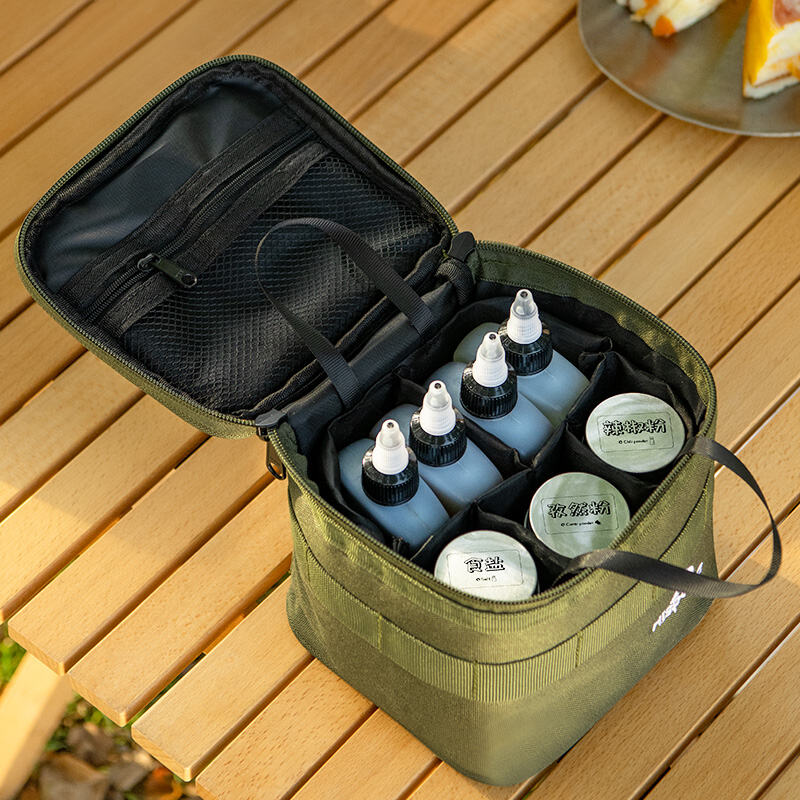
Revolutionary Multi-Function Design Integration
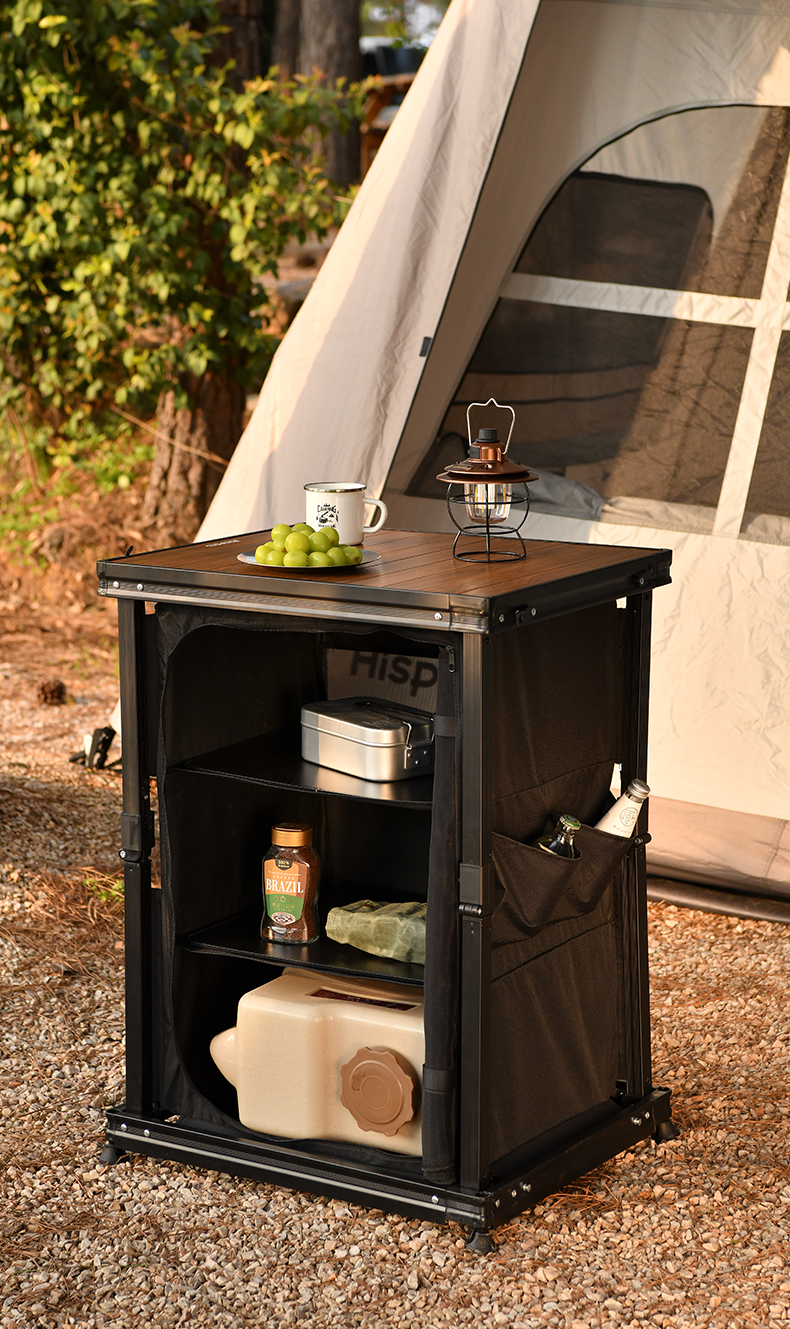
The multi-function design integration of unique camping items represents a paradigm shift in outdoor gear philosophy, combining multiple essential functions within single compact units that maximize utility while minimizing weight and space requirements. This innovative approach addresses the fundamental challenge faced by all outdoor enthusiasts: the constant balance between carrying necessary equipment and maintaining manageable pack weight. Traditional camping setups often require separate items for cooking, lighting, charging, and storage, creating redundant components and wasted space. Unique camping items solve this problem through intelligent engineering that seamlessly integrates complementary functions without compromising individual performance. For example, a single unit might incorporate a high-efficiency camping stove, LED lighting system with multiple brightness settings, USB charging ports powered by thermoelectric generation from cooking heat, and collapsible storage compartments for utensils and fuel. This integration eliminates the need for separate stove, lantern, power bank, and storage solutions, reducing pack weight by several pounds while increasing available space for food, water, or personal items. The technological sophistication behind this integration involves careful thermal management, ensuring cooking heat enhances rather than interferes with electronic components. Advanced materials selection allows different functions to coexist within the same housing while maintaining optimal performance standards for each capability. Smart switching systems automatically prioritize functions based on usage patterns, directing available energy where needed most. The modular architecture enables users to activate only required functions, conserving energy and reducing complexity when simpler operations suffice. This design philosophy extends beyond mere convenience, offering genuine safety improvements through redundancy. If one function fails, alternatives remain available, preventing complete system failure in critical situations. The integration also improves weather resistance, as fewer separate components mean fewer potential failure points and sealed joints. User interface design prioritizes intuitive operation, allowing quick function switching even in challenging conditions or low visibility situations.
 EN
EN