high efficiency gas stove supplier
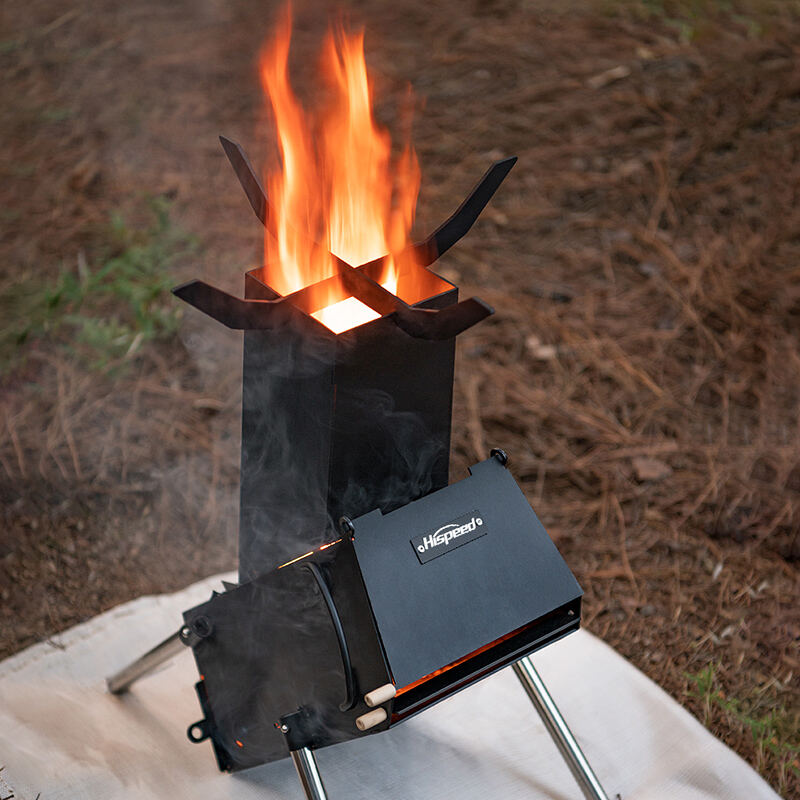
A high efficiency gas stove supplier represents a specialized manufacturer or distributor that focuses on providing advanced cooking solutions designed to maximize fuel utilization while minimizing environmental impact. These suppliers offer comprehensive ranges of gas stoves engineered with cutting-edge technology that delivers superior thermal performance compared to traditional cooking appliances. The main functions of products from a high efficiency gas stove supplier include precise temperature control, rapid heating capabilities, and optimized combustion systems that ensure complete fuel burning. Modern high efficiency gas stove supplier offerings typically feature multi-burner configurations, allowing users to prepare multiple dishes simultaneously while maintaining consistent heat distribution across all cooking surfaces. The technological features incorporated by leading high efficiency gas stove supplier companies include advanced burner designs with specially engineered flame patterns that direct heat more effectively toward cookware bottoms. These systems often incorporate automatic ignition mechanisms, safety shut-off valves, and flame failure protection devices that enhance user safety during operation. Many high efficiency gas stove supplier products also include electronic control systems that enable precise flame adjustment and temperature monitoring. Applications for these stoves span residential kitchens, commercial restaurants, industrial food processing facilities, and outdoor cooking environments. Professional chefs and home cooking enthusiasts alike benefit from the consistent performance that a quality high efficiency gas stove supplier provides. The versatility of these appliances makes them suitable for various cooking methods including sautéing, boiling, simmering, and high-temperature searing. Environmental consciousness drives many consumers toward products from a reputable high efficiency gas stove supplier, as these units typically reduce gas consumption by twenty to thirty percent compared to conventional models while producing fewer emissions.
 EN
EN