outdoor teepee
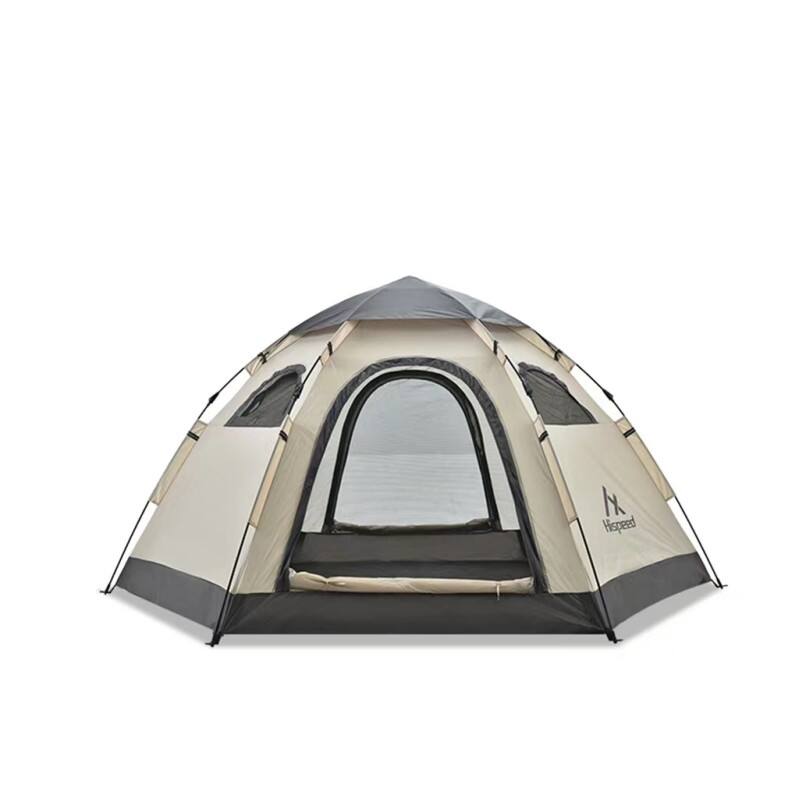
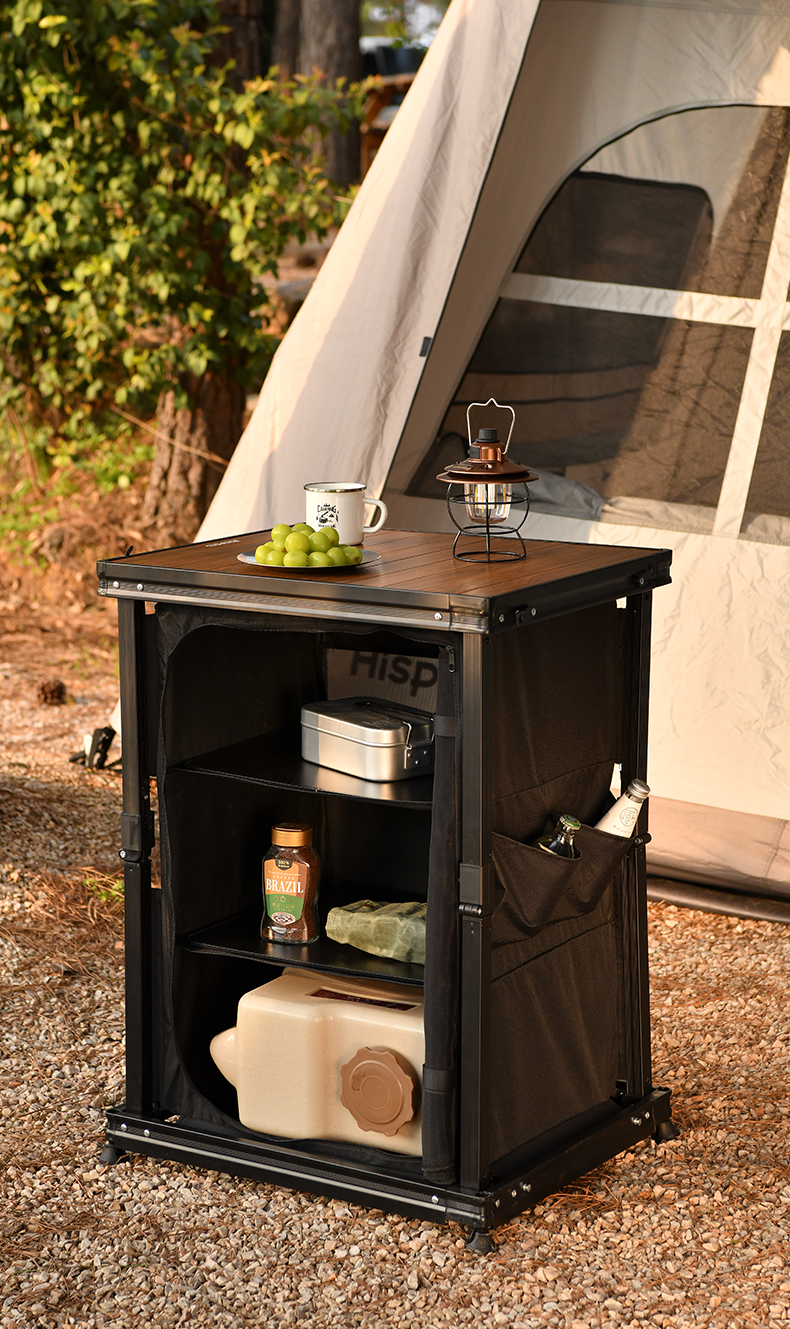
The outdoor teepee represents a perfect fusion of traditional Native American design and modern camping innovation, offering adventurers a unique shelter solution that combines cultural heritage with contemporary functionality. This conical structure, characterized by its distinctive triangular frame and weather-resistant covering, has evolved from ancient hunting lodges into sophisticated outdoor accommodation systems. Modern outdoor teepee designs incorporate advanced materials and engineering principles while maintaining the iconic silhouette that has provided reliable shelter for centuries. The primary function of an outdoor teepee centers on providing spacious, weatherproof accommodation for camping, glamping, festivals, and extended outdoor stays. Unlike conventional tents, the outdoor teepee offers superior headroom throughout most of its interior space, allowing occupants to stand comfortably and move freely. The circular floor plan maximizes usable space while the conical shape naturally sheds rain, snow, and wind, making it exceptionally stable in challenging weather conditions. Technological features of contemporary outdoor teepee models include reinforced aluminum or steel pole systems that replace traditional wooden supports, providing enhanced durability and easier assembly. High-performance fabrics such as ripstop nylon, polyester, or canvas with waterproof coatings ensure complete weather protection while maintaining breathability. Many outdoor teepee designs incorporate color-coded pole systems and intuitive setup mechanisms that enable rapid deployment without extensive outdoor experience. Advanced models feature integrated ventilation systems, removable groundsheets, and modular accessories including wood stove compatibility for four-season use. Applications for outdoor teepee structures span recreational camping, commercial glamping operations, educational programs, cultural events, and emergency shelter situations. Family campers appreciate the spacious interior that accommodates multiple occupants and gear storage, while commercial operators value the unique aesthetic appeal that distinguishes glamping sites from standard accommodations. Educational institutions utilize outdoor teepee structures for environmental learning programs and cultural studies, while event organizers employ them for distinctive venue experiences that connect participants with nature and heritage.
 EN
EN